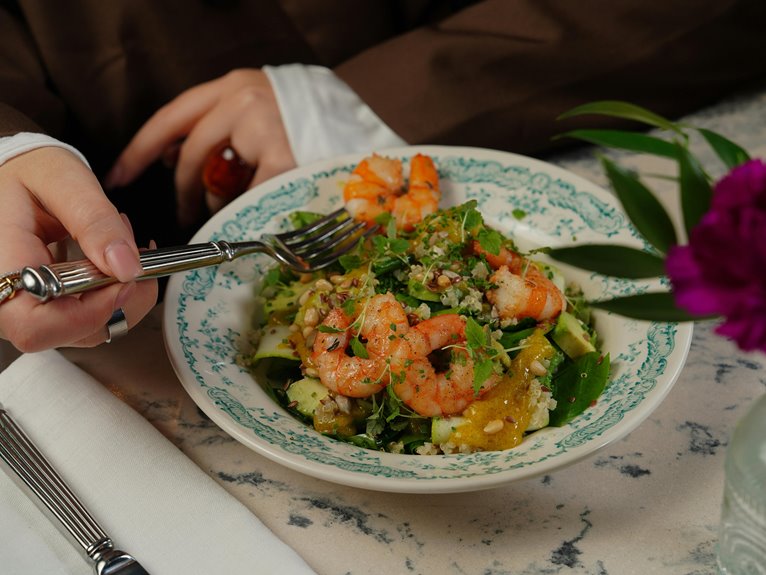
Good olive oil earns its place through more than a decorative bottle. It needs to suit the dish, pour cleanly, deliver the promised flavor, and remain practical from week to week. For busy kitchens, citrus-infused oils add lift to seafood and vegetables, garlic varieties suit marinades and roasted meat, and spray bottles make measured cooking easier. I’ve separated these options by format, capacity, and flavor profile to help you choose one that fits your routine without paying for a bottle you rarely use.
The Leading Options At A Glance

Lucini Italia Robust Garlic Olive Oil 250mL Pack of 2
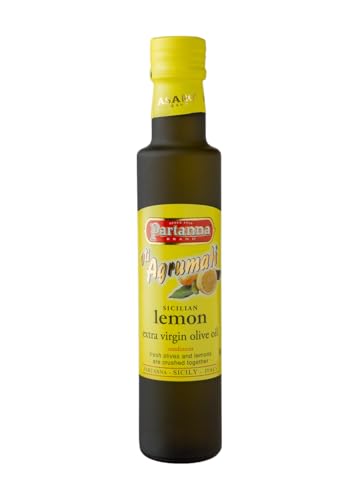
Partanna Extra Virgin Olive Oil, Sicilian Lemon, 8.45 oz

Bellucci Extra Virgin Organic Olive Oil, 16.9 fl oz

Bertolli Dress & Drizz Olive Oil, 16 fl oz Squeeze Bottle

Atlas Organic Moroccan Extra Virgin Olive Oil, 1 L
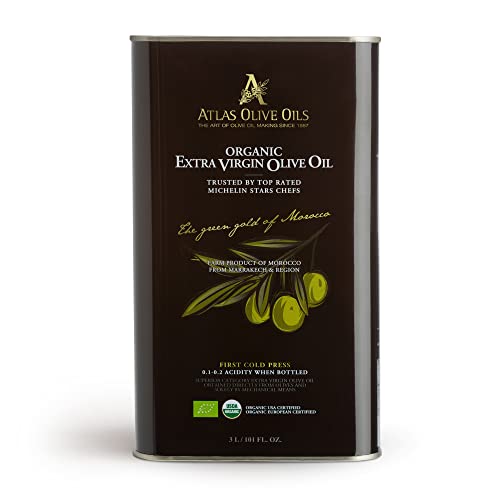
Atlas Organic Moroccan Extra Virgin Olive Oil, 3 L Tin

Bertolli Non-Aerosol Olive Oil Spray, 5 fl oz, 6 Pack

Atlas Organic Olive Oil Cooking Spray, 5.4 fl oz, 3 Pack
Inside Each Recommended Option
Garlic turns an everyday oil into a ready-made seasoning for chicken, vegetables, and bread. Lucini’s Robust Garlic variety suits a home cook who wants concentrated garlic flavor without combining oil and minced cloves for every marinade.
The two 250mL bottles also cover separate storage in the kitchen and pantry. For lighter dishes, the garlic may feel assertive, while people who regularly roast or grill meat should appreciate the stronger direction.
The Upside
- Garlic-infused oil saves time during weeknight marinades.
- The robust profile pairs naturally with poultry, roast vegetables, and grilled bread.
- Two bottles provide useful separation between daily cooking and bulk prep.
- Non-GMO, Whole30, and kosher listings make it relevant to several dietary routines.
- Each bottle offers a more manageable quantity than a single large tin.
Points To Note
- The strong garlic profile can overpower delicate fish or lightly seasoned salads.
- Infused oil is more specialized than plain extra virgin olive oil, which limits its everyday versatility.
- Storage away from heat and light helps preserve the oil’s aroma and cooking quality.
Key Specs
Built With In Mind
This option best suits home cooks preparing garlic-forward marinades, grilled foods, and roasted vegetables several times a week.
A Better Fit Elsewhere
Partanna Extra Virgin Olive Oil, Sicilian Lemon fits lighter seafood and salad preparations where garlic would feel too heavy.
Partanna takes a distinctly Italian approach by crushing fresh olives together with Sicilian citrus. That co-crushing process gives the oil a bright finish, making it a natural fit for fish, salad dressing, and lightly cooked produce.
At 8.45 oz, this is a specialty bottle rather than a high-volume pantry staple. In my view, the smaller size works well for occasional cooks who value a pronounced lemon profile over sheer capacity.
A Favorable Mix
- Citrus and olive flavors complement seafood, beans, and green salads.
- The 8.45 oz bottle limits exposure to a specialty oil that may not be used daily.
- It adds flavor character without requiring a custom garlic or herb infusion.
- The bright profile works particularly well during warm-weather cooking.
Small Caveats
- The citrus emphasis is less suitable for cooks seeking a neutral finishing oil.
- Its compact bottle offers less supply for high-volume family cooking.
- Refrigeration is unnecessary for normal pantry storage, but heat and direct light still shorten quality.
Who Will Love This
Seafood cooks and salad-focused households get the most useful match from this bright, citrus-centered bottle.
Another Choice May Suit
Bellucci Extra Virgin Organic Olive Oil serves cooks who want a broader everyday oil for finishing, roasting, and dressings.
A conventional extra virgin olive oil is the quiet workhorse that many kitchens need most. Bellucci’s 16.9 fl oz format, Italian origin, and organic positioning make it a practical match for people using oil across several meals each week.
Compared with Partanna’s lemon infusion, this bottle promises a more adaptable role in salad dressing, pasta, vegetables, and bread. The source data gives few flavor details, so I would keep expectations centered on practical versatility rather than a highly specific tasting note.
Standout Benefits
- The standard format suits finishing, dressing, and everyday cooking.
- A 16.9 fl oz bottle balances pantry storage with enough supply for frequent use.
- Italian origin gives shoppers a clear geographic reference.
- Organic labeling helps households filter cooking ingredients by production method.
Worth Noting
- No specific tasting notes or polyphenol amount appear in the supplied information.
- It lacks the distinctive citrus character of Partanna and the garlic direction of Lucini.
- The tall package requires more vertical space than a compact squeeze bottle.
Core Details
The Right Fit
This bottle best fits mixed-method cooks who want one adaptable oil for salads, pasta, bread, and roasted vegetables.
Not Your Match When
Lucini Italia Robust Garlic Olive Oil fits households seeking a ready-seasoned garlic oil instead of a general-purpose bottle.
Control matters in salad dressings, sandwich spreads, and plated vegetables, where an unguided pour can become a heavy hand. Bertolli Dress & Drizz replaces the usual bottle neck with a squeeze container designed for more deliberate dispensing.
The oil is described as cold pressed with a rich, full-bodied fruity character. Compared with Bellucci’s taller bottle, this design places convenience and portion control ahead of pantry capacity or decorative display.
Where It Excels
- The squeeze format makes incremental pouring easier for dressings and finishing.
- A 16 fl oz bottle provides useful capacity without reaching bulk-tin scale.
- Cold pressing supports the stated rich and fruity direction.
- The bottle suits quick lunches, sandwiches, and busy dinner preparation.
- Its packaging emphasizes function rather than a tall display bottle.
Possible Compromises
- Squeeze bottles need careful handling around the nozzle to prevent residue.
- It provides less storage capacity than Atlas Organic Extra Virgin Olive Oil in a 3 L tin.
- Refrigeration remains unsuitable for routine use, so clean, cool storage matters.
Feature Snapshot
Made For
This bottle is well matched to lunch makers and salad-focused cooks who value controlled portions during repeated preparation.
Where A Sibling Pick Shines
Atlas Organic Extra Virgin Olive Oil, Moroccan, High Polyphenol, 1 L suits high-volume kitchens that refill and measure larger quantities.
Polyphenols are naturally occurring compounds found in olive oil, and Atlas centers that attribute in its Moroccan high-polyphenol offering. The 1 L size moves beyond specialty flavor into a practical replenishment format for households using substantial quantities.
Compared with Bertolli Dress & Drizz, this bottle sacrifices portion control for volume. For meal prep or frequent home cooking, that may be the better trade, especially when a cold, dark cupboard can accommodate the larger package.
What Earns Its Place
- The 1 L capacity reduces refill frequency for frequent olive-oil users.
- High-polyphenol positioning appeals to cooks who value that named compound.
- Moroccan sourcing creates a clear alternative to Italian-focused bottles.
- The large format suits batch cooking, family meals, and daily use.
- Cold-pressed processing aligns with a straightforward pantry oil format.
Trade Offs
- The larger quantity may sit longer in a household that mainly finishes salads.
- No numerical polyphenol level appears in the supplied information.
- Once opened, a big bottle needs consistent use and cool, dark storage.
Technical Highlights
Who Should Grab It
Frequent home cooks and high-volume households benefit most from the larger 1 L format.
Reach For A Different Pick When
Bertolli Dress & Drizz fits smaller kitchens that favor controlled squeezing over bulk pantry storage.
Three liters is a substantial commitment of pantry space and oil, but that scale can make sense for a busy shared kitchen or high-volume meal-prep routine. The Atlas tin carries the same Moroccan, high-polyphenol positioning as the 1 L version in a much larger metal container.
Where the smaller Atlas bottle balances supply and shelf space, this tin leans heavily toward volume. Depending on your kitchen layout, you may gain fewer restocking cycles but also need more discipline to finish it before storage conditions begin to affect quality.
Where It Delivers
- The 3 L tin minimizes restocking for very frequent olive-oil users.
- A metal container suits utility-focused kitchens and high-volume food preparation.
- The high-polyphenol profile remains clearly stated.
- Moroccan origin distinguishes it from the Italian selections in this list.
- The large supply is useful for restaurants, shared households, or serious meal batching.
Where It May Fall Short
- The bulk quantity is excessive for occasional salad dressing or finishing.
- Metal tins need careful storage away from heat, moisture, and direct sunlight.
- A large package can make frequent portioning less convenient than a spray or squeeze bottle.
Whose Shelf It Belongs On
This tin belongs in a high-volume or shared kitchen with dry storage space and dependable olive-oil consumption.
Swap It Out When
Atlas Organic Extra Virgin Olive Oil, Moroccan, High Polyphenol, 1 L is a better fit for cooks wanting the same style in a less demanding quantity.
A spray format turns olive oil into a light, controlled addition for pans, vegetables, and quick assembly. This Bertolli set includes six 4.9 fl oz non-aerosol bottles, making it appealing to households that want one near the stove and another in another frequently used workspace.
Compared with Atlas Organic Extra Virgin Olive Oil Cooking Spray, this larger set distributes more total volume across six containers. The trade-off is extra bottles to manage, wash, and store, although that can be worthwhile in a busy family kitchen.
What Works In Its Favor
- Six bottles support multiple work areas or shared use.
- The non-aerosol format provides controlled dispensing without a propellant.
- Each bottle contains 4.9 fl oz for compact handling and storage.
- Spraying fits quick vegetable prep, pan finishing, and table service.
- Cold-pressed, fruit-forward oil gives the spray format a rich flavor direction.
Practical Considerations
- Spray nozzles can need regular cleaning after use with thick or particulate-rich foods.
- Six separate containers create more items to wash and store than one squeeze bottle.
- The spray is less suitable for dishes that need a generous stream of oil.
Built With In Mind
This six-bottle set is designed for busy kitchens, shared households, and cooks who prefer measured spray application to open pouring.
Consider Something Else When
Atlas Organic Extra Virgin Olive Oil Cooking Spray suits smaller setups that want the spray format in a three-bottle set.
Three 5.4-ounce spray bottles offer a middle ground between one squeeze bottle and a six-container set. Atlas’s polyphenol-rich positioning adds a useful identity, while the compact spray format fits kitchens where cabinet space matters.
Compared with Bertolli’s six-bottle set, this option offers a more restrained number of containers and a larger stated unit size. The source does not provide a precise polyphenol measurement, so I would treat that label as a product attribute rather than a quantified comparison.
Bright Spots
- Three bottles balance portability with multi-location access.
- Each listed container holds 5.4 ounces for compact everyday handling.
- The spray reduces reliance on a wide pour for smaller cooking tasks.
- Polyphenol-rich extra virgin oil serves shoppers focused on that named characteristic.
Points To Keep In Mind
- Spray application works best for coatings and finishing rather than deep frying.
- The nozzles may need occasional cleaning to maintain an even pattern.
- Storage bottles away from heat, direct sunlight, and humid areas.
- No exact polyphenol content appears in the supplied information.
Best Suited To
Compact spray bottles serve small kitchens, meal-prep routines, and cooks who want lighter application without managing six containers.
Look Elsewhere When
Bertolli Non-Aerosol Olive Oil Spray suits shared households that need more separate bottles placed around a busy cooking area.
What Matters Before Choosing a Bottle
Match the Flavor to the Dish
A plain oil gives you room to build flavor through ingredients and technique. Garlic, lemon, and other infused oils bring more built-in character, so a little can go a long way. I’d choose Partanna Extra Virgin Olive Oil, Sicilian Lemon for seafood and salads, while Lucini Italia Robust Garlic Olive Oil makes more sense for meat, vegetables, and bread.
Deciding Between Bottle, Tin, and Spray
The container changes the pace of cooking. Bertolli Dress & Drizz gives you controlled pouring, Atlas tins minimize restocking, and sprays support quick coatings. For large households, capacity may matter; for smaller kitchens, a compact bottle can be easier to manage. The right choice is the format you will actually reach for every day.
Check the Product Details
Extra virgin olive oil is the highest category within the olive-oil grading system, but that label alone does not tell the whole story. Polyphenols are a relevant quality marker, and origin can help narrow the flavor expectations. Read the label for harvest timing, acidity, filtration, and storage instructions, especially for a large tin.
Plan for Storage and Use
Heat, light, and air can degrade olive oil quality over time. Keep bottles sealed, cool, and away from the stove, and plan to use a bulk tin before its freshness declines. A spray bottle is convenient for daily cooking, but regular cleaning helps keep the nozzle working evenly.
Common Decisions That Shape the Choice
Mistakes Worth Dodging
One common mistake is choosing a bottle by an attractive label instead of the cooking method. Another is treating a bulk tin like a casual finishing oil. I’d compare volume, dispensing format, and flavor profile before deciding.
What Higher-Tier Oils Can Add
Higher-tier oils may emphasize origin, freshness, polyphenol content, or a more specific flavor profile. The extra spend is more useful for a special finishing oil or an attribute that matches your preferences, not merely for a larger bottle. A practical squeeze bottle can be the more sensible choice for daily use.
Frequently Asked Questions
What is the best olive oil for everyday cooking?
A versatile extra virgin olive oil works well for salad dressing, bread, pasta, roasted vegetables, and pan finishing. Bellucci Extra Virgin Organic Olive Oil is a practical option for cooks who prefer a standard bottle.
Is garlic olive oil suitable for roasting?
Yes, garlic-infused olive oil pairs naturally with roasted chicken, vegetables, and grilled bread. Lucini Italia Robust Garlic Olive Oil is strongest when the dish already welcomes assertive seasoning.
Is citrus olive oil better for seafood?
Citrus-infused oil adds bright flavor to fish, shellfish, beans, and green vegetables. Partanna Extra Virgin Olive Oil, Sicilian Lemon fits those dishes, while a plain oil may be preferable for more delicate seasoning.
Should I choose a spray or squeeze bottle?
A squeeze bottle provides more precise pouring for dressings and finishing. A spray works well for quick coatings on pans and vegetables, though it requires regular nozzle cleaning.
Is a 3 L olive oil tin practical?
A 3 L tin suits shared kitchens, frequent home cooks, and high-volume meal preparation. It needs more storage space and should be used before its quality declines in warm, bright storage conditions.
Final Verdict
The most useful olive oil is rarely the most elaborate one. Bellucci Extra Virgin Organic Olive Oil handles versatile daily cooking, while Bertolli Dress & Drizz adds portion control and the sprays support quick, measured application. Lucini and Partanna serve specific flavor preferences, and the Atlas options cover larger pantry volumes or compact spraying. Choose the format and character that match the meals you actually cook, then store it properly for the best everyday ownership experience.