

Saffron comes in two very different forms: delicate threads for cooking and concentrated extracts in capsules or liquid. I compare both formats here, focusing on ingredient clarity, traceability, format, and practical ownership considerations for tea, rice dishes, desserts, and daily routines.
The Shortlist At A Glance
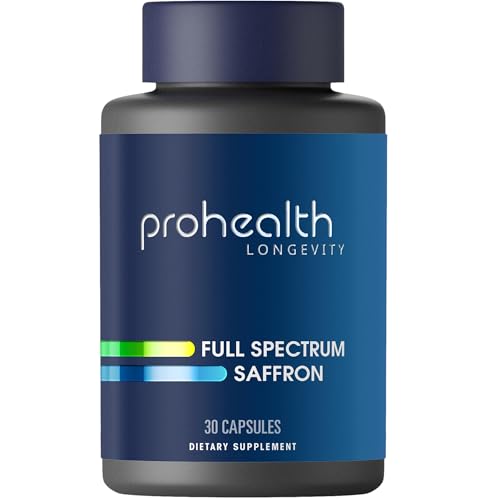
ProHealth Full Spectrum Saffron 30 Capsules

Herati Super Negin Grade 1 Saffron 3 Grams

The Gathering of Saffron Brand Spanish Saffron 1 Ounce

Wild & Organic Saffron Liquid 88.5 mg 4 oz

vigr Kashmiri Mongra Saffron 1g

vigr Kashmiri Mongra Saffron 2g

vigr Kashmiri Mongra Saffron 5g

Wild & Organic Saffron Capsules 88.5 mg 60 Count
Why These Options Stand Out
ProHealth takes a broader approach than a single-ingredient saffron powder. Its 30 capsules pair material from the flower’s red stigmas with measured crocins and safranal, compounds that help explain saffron’s color, aroma, and bitter profile.
That makes it more relevant to a daily capsule routine than to flavoring a large pan of rice, though the concentration may be excessive for a cook needing only a few threads. Among the supplement options here, it stands out for describing its blend in more detail.
Reasons It Performs
- Combines whole-stigma material with standardized saffron compounds rather than relying on one listed component.
- The 30-count container offers a defined monthly supply for established routines.
- Made in the USA, which may suit shoppers who place importance on domestic production.
- Triple lab testing adds a traceable quality-control element absent from several culinary tins.
Practical Considerations
- Capsules cannot replace cooking threads in recipes where aroma and gradual release are important.
- Storage matters: keep the container closed and dry because moisture can affect plant material and capsule integrity.
Feature Snapshot
Who It Suits Best
This capsule format fits an established supplement routine that values compound-level ingredient detail and domestic manufacturing.
Where A Sibling Pick Shines
Wild & Organic Saffron Liquid 88.5 mg 4 oz may suit people who prefer a liquid formula and do not want to swallow capsules.
Herati packages all-red threads from its family farms in Herat, Afghanistan, in a small 3-gram tin. Unlike the capsule selections, this is built for cooks who measure a few strands and bloom them before adding saffron to tea, rice, paella, or dessert.
The listing identifies the product as Super Negin Grade 1 and supplies precise marker ranges for crocin, safranal, and picrocrocin. Those compounds relate to color, aroma, and bitterness, giving shoppers more useful reference points than appearance alone.
Strengths Worth Knowing
- The airtight tin helps protect delicate threads from moisture and airborne odors.
- Specified crocin and safranal levels make this more transparent than a purely appearance-based tin.
- Three grams is practical for occasional saffron cooking without creating a large pantry commitment.
- Depollination removes pollen at harvest, producing a cleaner thread presentation for careful cooks.
Small Caveats
- The narrow flavor window means a few extra threads can overwhelm a lightly seasoned dish.
- Owners should reseal the tin promptly and keep it away from humidity, steam, and direct kitchen heat.
Technical Notes
Made For
It suits experienced cooks preparing fragrant rice, paella, tea, or desserts where a few carefully bloomed threads make a visible difference.
Another Choice May Suit
The Gathering of Saffron Brand Spanish Saffron 1 Ounce is the more practical choice for frequent baking and larger recipe volumes.
The one-ounce format makes this Spanish saffron more practical for regular pantry use than the smaller Herati tin. A home baker might keep it beside vanilla, cinnamon, and nutmeg while making custards, breads, rice dishes, and sweets throughout the year.
Spanish saffron commonly includes yellow styles alongside red threads, which is not necessarily a defect. That mixed appearance differs from Herati’s all-red presentation, though the provided details here do not establish specific compound levels.
A Few Highlights
- The one-ounce quantity reduces the need for frequent pantry replenishment.
- Spanish saffron brings a floral, lightly earthy character suited to tea and baked desserts.
- A broad quantity makes the format useful for households that cook with saffron several times a month.
Worth Noting
- Yellow styles in the tin may concern shoppers who expect uniformly red threads.
- Without stated crocin or safranal figures, the listing offers less measurable detail than Herati.
- Saffron aroma fades over time, so resealing the package promptly helps preserve its culinary value.
Core Details
Right Fit For
This works well for home bakers and family cooks who value pantry quantity and Spanish-style flavor over a single-origin presentation.
A Better Fit Elsewhere
Herati Super Negin Grade 1 Saffron 3 Grams is a stronger fit for cooks who prioritize documented compound levels and an all-red thread appearance.
Liquid saffron extracts remove the capsule shell from the routine entirely. This 4-ounce Wild & Organic format is aimed at people who keep supplements in a kitchen cupboard, travel with a small bottle, or simply prefer measured liquid over tablets.
Each serving contains 88.5 mg of saffron extract, and the manufacturer describes a vegan formula without artificial additives or genetically modified ingredients. The listing presents the formula for mood, focus, and vision support without treating it as eye drops.
The Good Stuff
- Liquid dosing avoids the need to open or swallow capsules.
- The 88.5 mg serving amount is stated directly for routine comparison.
- Vegan ingredients suit shoppers seeking a plant-based supplement format.
- A 4-ounce bottle provides more volume than a compact travel container.
Practical Considerations
- Direct liquid use may carry a stronger flavor than capsule formats, depending on personal tolerance.
- Owners should follow the label’s serving instructions and store the bottle according to its directions.
Who Will Love This
This is a sensible daily format for people who prefer plant-based liquid products and do not want to manage capsule containers.
Swap It Out When
Wild & Organic Saffron Capsules 88.5 mg 60 Count may be easier to carry and portion for people who dislike the taste or texture of liquid extracts.
The 1-gram pouch is the smallest culinary vigr option listed here, making it more of a tasting size than a high-volume pantry supply. Its Mongra designation points to a specific saffron style from Pampore in Kashmir, giving shoppers a narrower regional focus than the Spanish selection.
For tea or a small batch of rice, a compact quantity can still be useful, particularly for a cook comparing single-origin character. Those preparing several large dishes will likely find one of the larger vigr formats more economical to portion.
What Earns Its Place
- Single-origin messaging gives the product a clear identity beyond generic saffron.
- The 1-gram format reduces upfront commitment for occasional cooks.
- Handpicked red threads suit cooks who prefer visible material over a liquid extract.
Where It May Fall Short
- A small quantity is less suitable for frequent paella, biryani, or dessert batches.
- The provided listing details are sparse, so a specific numerical strength comparison is not possible.
- Thread saffron needs airtight storage, and loose moisture can reduce its aroma over time.
Built With In Mind
This small format fits occasional cooks and single-origin enthusiasts making a few carefully measured dishes at a time.
Look Elsewhere When
vigr Kashmiri Mongra Saffron 2g better serves households preparing regular pilafs or alternating saffron with a larger Spanish pantry supply.
Two grams gives this vigr option more pantry room than the 1-gram selection without reaching the bulk offered by the 5-gram version. It seems well matched to households that make saffron rice every few weeks or keep several small recipes in rotation.
The threads are presented as handpicked Mongra saffron from Pampore, while the broader product context also emphasizes farm sourcing and crocin strength. In a busy kitchen, the tradeoff is that whole threads require careful measuring and an airtight container.
What Makes Sense
- Two grams splits the difference between a tasting quantity and a larger pantry format.
- Single-origin Pampore provenance offers a distinct alternative to Spanish and Herat offerings.
- Visible threads make dosing easier to control than adding a concentrated liquid.
- The quantity suits a household cooking with saffron throughout a month.
Possible Compromises
- High-frequency cooks may run through two grams more quickly than expected.
- Saffron changes are gradual during cooking, making a strong flavor more likely than an uneven one.
Quick Facts
The Right Fit
This quantity fits regular home cooks who want a single-origin Kashmiri option without committing to the full 5-gram pouch.
Another Choice May Suit
The Gathering of Saffron Brand Spanish Saffron 1 Ounce better serves frequent bakers who prioritize pantry quantity over regional specificity.
Five grams is the largest vigr thread quantity in this roundup, reducing the need to replenish between special meals. It makes sense for a cook who regularly prepares biryani, pilaf, paella, or saffron-spiced sweets and values a consistent regional source.
Compared with the 2-gram pouch, the format trades commitment for convenience. Shops that expect occasional use may prefer a smaller amount, but dedicated culinary households can divide larger cooking sessions into several dishes.
A Favorable Mix
- Five grams supports multiple cooking sessions and reduces frequent replacement.
- Mongra threads preserve the recognizable whole-saffron culinary format.
- Pampore provenance gives the larger pouch the same identity as the smaller vigr options.
- Whole threads let cooks remove the saffron after infusion when a clear broth is desired.
Details To Watch
- Owners must store the larger quantity carefully because repeated exposure to air and humidity can reduce aroma.
- A substantial pouch can linger for casual cooks who occasionally use only a few threads.
Whose Shelf It Belongs On
This pouch belongs on the shelf of an experienced cook who uses saffron regularly and values a dependable single-origin supply.
Consider Something Else When
Herati Super Negin Grade 1 Saffron 3 Grams is a stronger option for shoppers who prioritize stated compound ranges over sheer quantity.
The capsule format packages 88.5 mg of saffron powder per serving in a 60-count bottle. That gives this Wild & Organic product a more substantial routine supply than ProHealth’s 30 capsules, especially for people maintaining the same routine over several months.
Vegetable cellulose serves as the coating, and the listing also notes vegan ingredients and no artificial additives. It is a straightforward powder-in-capsule option rather than the compound-standardized blend used by ProHealth.
A Strong Showing
- Sixty capsules create a longer-lasting supply for established routines.
- The 88.5 mg serving amount is clearly identified for easy label comparison.
- Plant-based capsules suit shoppers avoiding animal-derived gelatin shells.
- Powder capsules offer a stable, portable format for travel or desk drawers.
A Few Limitations
- Unlike the ProHealth formula, the capsule material is not described as standardized to named saffron compounds.
- Capsules cannot be bloomed into tea or rice, and crushing them may not reproduce the same culinary result.
- Keep bottles tightly closed and stored in a cool, dry place to protect the powder from humidity.
Feature Breakdown
Made For
This format fits people seeking a plant-based saffron powder capsule with a larger count for a long-running routine.
Not Your Match When
ProHealth Full Spectrum Saffron 30 Capsules fits shoppers who want standardized crocin and safranal details rather than a basic powder format.
What Matters in a Saffron Selection
Saffron quality is commonly evaluated through color, aroma, bitterness, and origin, but the most useful markers depend on the format. Threads should offer a clear origin and secure packaging, while extracts benefit from a plainly stated amount and ingredient approach.
Form Follows the Use
Whole threads suit tea, rice, braises, and desserts because cooks can control infusion time and remove the strands. Ground saffron spreads more readily, and capsules or liquid extracts remove portioning from the kitchen routine entirely.
Read the Ingredient Detail
Crocin is a compound associated with saffron’s yellow-red color, while safranal contributes to its aroma. Picrocrocin relates to saffron’s characteristic bitterness. Numerical marker levels can help distinguish culinary lots, although they do not replace correct storage or sensible dosing.
Consider Origin and Quantity
Herat and Pampore provide specific regional identities, while Spanish saffron brings its own established culinary profile. Small tins suit occasional use, one-ounce packs suit frequent cooking, and larger pouches make more sense for regular households willing to store them carefully.
Check Practical Details
The airtight container matters nearly as much as the saffron itself. Moisture, heat, and air can diminish aroma, while a loose or poorly resealable package may waste a costly ingredient before it reaches the recipe.
Common Saffron Shopping Traps
Pitfalls Shoppers Hit
Mistaking vivid color for strong aroma can produce a disappointing infusion. Yellow styles are also not automatically inferior in Spanish saffron, so appearance alone cannot establish the quality of an entire tin.
Wrong Turns To Avoid
Ignoring format leads to mismatched expectations, especially when a capsule is compared directly with culinary threads. Shoppers should also avoid storing opened saffron beside the stove, where humidity and temperature can accelerate loss of aroma.
Where The Extra Money Goes
Higher-value saffron often reflects a more traceable origin, handpicking, measured color and aroma compounds, or tighter packaging. Those details can matter for a cook comparing tiny portions, yet premium presentation does not remove the need for proper dosing and storage.
What Separates Premium From Basic
The meaningful distinction is usually traceability, defined compounds, and freshness rather than a longer marketing claim. A carefully documented 1-gram lot may be more informative to a serious cook than a large tin that provides no comparable details.
Frequently Asked Questions
How can I tell which saffron is strongest?
Look for clearly stated crocin, safranal, or grading information, then assess aroma and color. Multiple markers provide a fuller picture than appearance alone.
Is Spanish saffron always red?
No. Spanish saffron can include yellow styles mixed with red threads, which is why shoppers should interpret appearance alongside origin and other details.
Are saffron capsules the same as cooking threads?
No. Capsules contain a measured powder or extract for routine use, while threads are intended for infusion, blooming, and controlled removal from recipes.
How should culinary saffron be stored?
I keep thread saffron in a tightly sealed container away from steam, heat, sunlight, and humidity. The tin or pouch should be resealed immediately after use.
Which format suits occasional cooks?
A small culinary tin such as Herati Super Negin Grade 1 Saffron 3 Grams offers more flexibility than a large pouch. A 1-gram single-origin format can also work for occasional tea and small recipe batches.
Final Verdict
The culinary selections are strongest for people who value traceable origins, measured thread quantities, and careful infusion, while the liquid and capsule options suit established routines. Herati provides the clearest compound detail, the Spanish tin favors quantity, and vigr offers several Pampore-focused sizes. Choose the format that matches how saffron will actually be used, not simply the largest or most decorative package.