

Plain rice is economical and adaptable, but it rarely arrives with the depth of a well-built side dish. I rely on rice seasonings, finishing vinegars, quick marinades, and seasoned beans to turn a basic pot into something worth serving, especially during a busy weeknight.
The picks in this roundup cover several useful approaches. Mediterranean herb blends suit restrained dishes, rosemary lemon works across grains and vegetables, Mexican seasoning handles generous portions, and Caribbean coconut creates a distinctly rich rice base. The marinades expand the category beyond the rice bowl, while the bean option serves as a ready-made accompaniment.
A Closer Look At The Lineup

Gourmet Organic Mediterranean Herb Blend 2 oz.

McCormick Rosemary Lemon Seasoning 2.75 oz.
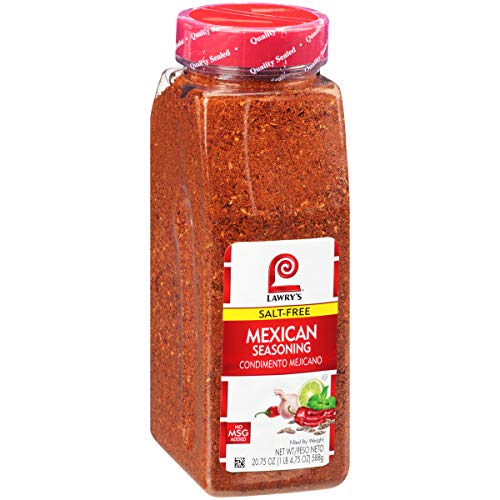
Lawry’s Salt Free Mexican Seasoning 20.75 oz.

Mizkan Pure Unpolished Brown Rice Vinegar

A Dozen Cousins Mexican Pollo Asado Sauce, 10-Pack

A Dozen Cousins Jamaican Jerk Quick Marinade, 10-Pack

A Dozen Cousins Caribbean Coconut Rice Sauce, 10-Pack

A Dozen Cousins Organic Refried Pinto Beans, 6-Pack
Taking A Closer Look At The Options
A small bottle of concentrated herbs can make a large pot of rice feel intentional, especially when I want freshness without a heavy spice profile. This Mediterranean blend brings minty, citrusy, garlicky, and herbal notes to white or brown rice, and it can also season vegetables, pasta, poultry, or tzatziki.
That versatility makes it useful in a compact kitchen where pantry clutter matters. I find the 2-ounce size more attractive for occasional cooks than for households using it nearly every day.
Strengths Worth Knowing
- The savory garlic note gives plain rice a savory foundation without relying on heat.
- It works across rice, pasta, salad, and poultry, which reduces the need for several separate blends.
- Paper-based packaging and a resealable paper cap help organize a small pantry.
Small Caveats
- The compact container may run out quickly in a household that cooks rice daily.
- Store the blend sealed and dry, since moisture can reduce the herbs’ aromatic quality.
Key Details
Made For
I favor this blend for compact kitchens and cooks seeking restrained Mediterranean-style seasoning rather than a heavy chili profile.
Another Choice May Suit
McCormick Rosemary Lemon Seasoning fits cooks who prefer a brighter garlic, rosemary, and lemon-peil direction on rice and vegetables.
Where the Mediterranean blend leans herbal, McCormick adds the sharper brightness of lemon peel and the structure of rosemary and garlic. That combination suits rice bowls, roasted vegetables, and pasta, giving me a dependable choice when several components need to share the same seasoning.
The shake-on format is straightforward, though the exact amount remains a matter of taste. In my view, starting with a small pinch preserves more of the lemon character in a large batch of rice.
Where It Delivers
- Rosemary, garlic, and lemon peel give rice a more dimensional savory-herb profile.
- The same blend seasons vegetables and pasta, making it practical for mixed-sheet-pan meals.
- Its dry format disperses readily across warm grains without creating a wet coating.
- No artificial flavors or added MSG keeps the ingredient positioning straightforward.
Worth Noting
- Rosemary can become assertive in a heavily seasoned dish, so restraint matters.
- Keep the container away from steam and moisture to preserve its loose seasoning texture.
Feature Snapshot
Who It Suits Best
I would keep this bottle on hand for casual cooks preparing rice, pasta, or roasted vegetables with a bright, herb-forward profile.
A Better Fit Elsewhere
Lawry’s Salt Free Mexican Seasoning serves households seeking bolder cumin, chile, and garlic notes without added salt.
Lawry’s is built for households that season rice, fajitas, vegetables, and ground meat regularly rather than reaching for a new blend each time. Its Mexican profile draws on red pepper, cumin, chile, garlic, lemon, and dehydrated vegetables, creating a fuller pantry staple than the delicate herb options in the first two picks.
The salt-free format is the central decision point. Because I still control the added salt separately, the seasoning can fit reduced-sodium meal planning without leaving rice or fajita filling bland.
Practical Pluses
- The 20.75-ounce quantity supports frequent use across several savory dishes.
- Salt-free seasoning gives me control over sodium in rice bowls, meat, and vegetables.
- Cumin, chile, garlic, and lemon create a broad base for Mexican-inspired meals.
- Dehydrated vegetables contribute seasoning depth beyond a simple salt-and-spice mix.
Trade Offs To Consider
- The bold profile can overpower plain rice when the seasoning is overapplied.
- The large container needs an airtight, easy-to-clean place in the pantry.
- It is less suitable for cooks seeking a delicate Mediterranean profile.
Technical Notes
Built With In Mind
This container makes sense for frequent home cooks managing rice bowls, fajitas, and seasoned ground meats with separate sodium control.
Where A Sibling Pick Shines
Mizkan Pure Unpolished Brown Rice Vinegar is the cleaner finishing choice for sushi rice, fried grains, and vegetables that need acidity rather than blended spices.
Rice vinegar does not supply the herbs or spices associated with most blends in this roundup, so its role is different. It adds acidity and structure, which matters for sushi rice, brown-rice bowls, fried rice, and crisp vegetables.
The unpolished style appeals to me for minimalist cooking. I can control the amount precisely and build a larger flavor system with ginger, sesame, or vegetables, avoiding a single dominant seasoning profile.
The Value In It
- Acidity brightens plain brown or white rice without changing its texture.
- It also finishes fried rice and vegetables, making one pantry staple useful beyond plain grains.
Practical Considerations
- It is not a complete rice seasoning, so another source of savory or herbal flavor may be needed.
- Overuse will make rice noticeably sharp, particularly in sushi preparations.
The Right Fit
I prefer this vinegar for minimalist cooks preparing sushi, fried rice, brown rice bowls, or vegetables where acidity is the missing flavor.
Reach For A Different Pick
A Dozen Cousins Caribbean Coconut Rice Sauce offers a more complete seasoned base for cooks who prefer coconut, onion, and integrated rice flavoring.
Pollo asado seasoning brings a practical change to a rice-centered routine because the sauce seasons the protein rather than the grain. A thick coating can be applied directly to chicken and cooked in roughly 30 minutes, shortening the process compared with an extended marinade.
Compared with Lawry’s Salt Free Mexican Seasoning, this option targets the meat with a ready-to-apply sauce. It is well suited to rice bowls, burritos, and tacos, assuming I want the chicken to carry most of the seasoning.
Useful Strengths
- Coat-and-cook preparation reduces the advance planning required for marinated chicken.
- The thick sauce clings to meat more effectively than a dry rice seasoning.
- Ten individual packets support portion control and compact pantry storage.
- The resulting chicken can be sliced over rice, tucked into burritos, or served with tortillas.
- Other listed A Dozen Cousins variations include Jamaican Jerk and Peruvian Pollo ala Brasa.
Less-Strong Areas
- The sauce seasons chicken, not the rice itself, so bowls still need a complementary base.
- Individual packets can accumulate excess packaging in a small pantry.
Made For
I favor this sauce for busy cooks who want flavorful chicken for rice bowls, tacos, or burritos without a long marinating stage.
Consider Something Else
Lawry’s Salt Free Mexican Seasoning is the better fit for seasoning rice, vegetables, and ground meat directly in one dry blend.
Jerk seasoning shifts the rice-bowl focus toward strongly spiced chicken. The thick, ready-to-apply sauce sticks to the meat and can produce seasoned chicken in about 30 minutes, making it a sensible shortcut for weeknight assembly.
The Mexican Pollo Asado sauce offers a different seasoning route, so I would select according to the flavor direction of the meal rather than treating one as a general substitute for the other. Brown rice can also provide a mild counterpoint to the jerk coating.
A Favorable Mix
- Direct coating reduces the planning needed for a traditional marinate.
- Jerk flavor adds a distinctive spiced character to an ordinary rice bowl.
- Ten packets make repeat cooking easy to organize.
- The coating can also complement rice, beans, peppers, and tortillas.
Honest Caveats
- Jerk seasoning is specific enough that it does not suit every rice dish.
- This option does not season the grain itself, which matters for plain prepared rice.
Feature Breakdown
Who Will Love This
I would choose the packets for busy cooks building rice bowls around spiced chicken rather than seasoning a delicate herb-and-citrus rice.
Swap It Out
A Dozen Cousins Mexican Pollo Asado Sauce better serves cooks making a rice bowl centered on familiar Mexican-style chicken seasoning.
This is the most direct fit in the roundup because it is formulated as a rice seasoning rather than a dry dusting blend. The pour-in Caribbean coconut preparation combines coconut and onion notes with a base intended to season rice through the cooking process.
I see that format as useful for weeknight meals, particularly when serving it alongside chicken, beans, or vegetables. The flavor is richer than the vinegar and herb options, so pairing it with strongly spiced proteins could become repetitive for my palate.
What Stands Out
- The seasoning is integrated into the rice base rather than added only at serving.
- Coconut and onion notes give white rice a fuller, distinctly savory character.
- Ten packets simplify repeated preparation and limit opened sauce left on the counter.
Points To Note
- Coconut flavor will not suit cooks seeking neutral rice seasoning.
- Using packets according to the stated base quantity matters for balanced moisture and flavor.
Product Snapshot
Who Should Grab It
I recommend the packets to cooks wanting a quick, seasoned rice base with coconut and onion in a compact format.
Another Choice May Suit
Gourmet Organic Mediterranean Herb Blend suits cooks who prefer a lighter, herb-forward finish applied to already cooked rice.
Seasoned refried pinto beans do not season rice, but they belong in a practical rice-centered meal as a ready-made side. Slow-simmered mashed beans with vegetables and spices eliminate soaking, draining, and stovetop preparation, which helps during a rushed lunch or dinner.
Avocado oil and refried pinto beans give the base a soft, substantial texture that pairs well with plain or lightly seasoned rice. The tradeoff is less seasoning control, since the beans arrive as a complete prepared side.
Everyday Advantages
- Microwave heating removes the soaking and stovetop work normally required for dried beans.
- The seasoned mash pairs immediately with rice, tacos, bowls, and simple plates.
- Avocado oil creates a distinct cooking fat and a smooth bean texture.
Details To Watch
- Prepared beans offer less control over seasoning than a dry spice blend.
- Six containers require secure storage in the pantry and refrigeration after opening.
The Right Shelf
I would keep this option in a busy kitchen for fast rice bowls, tacos, and side dishes that need substantial plant-based accompaniment.
Look Elsewhere
Lawry’s Salt Free Mexican Seasoning is the better fit for cooks who want to season both the rice and accompanying vegetables directly.
Matching the Seasoning to the Meal
Decide Between Dry Blends and Liquid Bases
A dry blend offers more control because I can season each grain and adjust the amount at the table. Liquid rice sauces provide a more integrated base and require the package directions to produce balanced moisture, making them convenient but less adaptable.
Match the Flavor Direction
Herbs and citrus suit rice with vegetables or mild fish, while cumin, chile, and garlic support boldly seasoned proteins. A vinegar adds acidity rather than a complete spice profile, so I pair it with ginger, sesame, vegetables, or another seasoning.
Think About Cooking Time
Dry seasonings are most flexible for fast weeknight meals, while quick marinade packets shorten the wait associated with chicken. Prepared beans and pour-in rice sauces prioritize speed, although they reduce control over individual flavor components.
Check Portions and Storage
A 2-ounce herb blend suits occasional use, while a 20.75-ounce container is more practical for frequent cooking. Ten-packet marinade and rice formats are easy to organize but create more packaging than one resealable jar.
Practical Checks Before Choosing
Pitfalls Shoppers Hit
Choosing by the most prominent flavor can obscure portion size, preparation, and storage needs. I also check whether the item seasons the rice, the protein, or simply supplies acidity, because each approach changes how the finished meal is assembled.
What Separates Premium From Basic
The larger-format options cost more because they provide more seasoning or repeated portions, not because they perform a different technical function. Specialty blends earn their place through a narrower flavor profile, resealable storage, or a ready-made base that reduces preparation.