

You want a wood rolling pin that feels right in your hands and treats dough gently, so pick by shape, size, weight, and finish. Go tapered French for delicate pastries and edge control, straight and heavier for pizza or stiff dough, and extra-long when you need fewer passes. Choose solid maple, beech, or sapele with a food-safe oil finish, avoid lacquer, and oil monthly. Look for thickness rings or rulers if you want repeatable results, and keep it dry to last longer so you can learn more.
| 17″ French Tapered Wooden Rolling Pin for Baking |
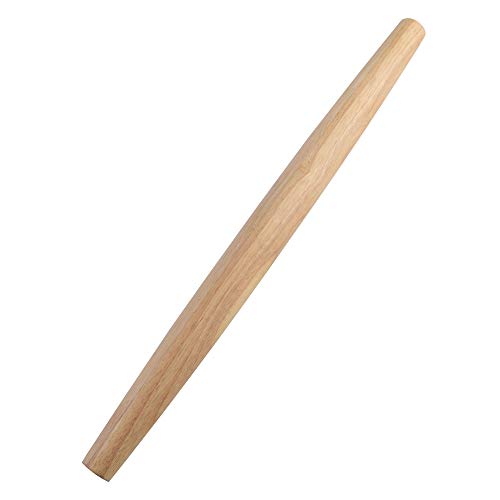
| Classic Choice | Style: French / tapered | Material: Solid rubberwood | Length (approximate): 17 in (marketed; product dims list 18 in) | VIEW LATEST PRICE | Read Our Analysis |
| Muso Wood Sapele Tapered French Rolling Pin (15¾”) |
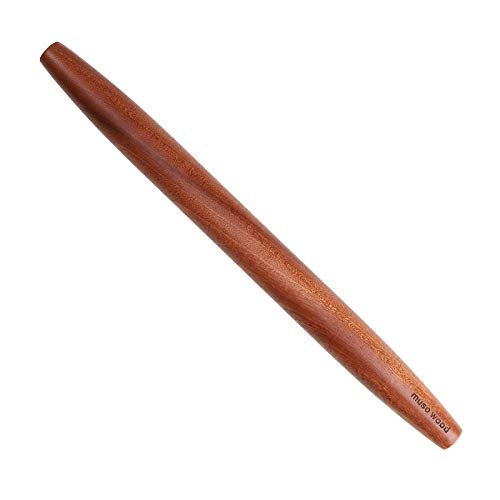
| Premium Finish | Style: French / tapered | Material: Sapele wood | Length (approximate): 15.7 in | VIEW LATEST PRICE | Read Our Analysis |
| Aisoso 17.7″ Extra-Long Wooden Rolling Pin |
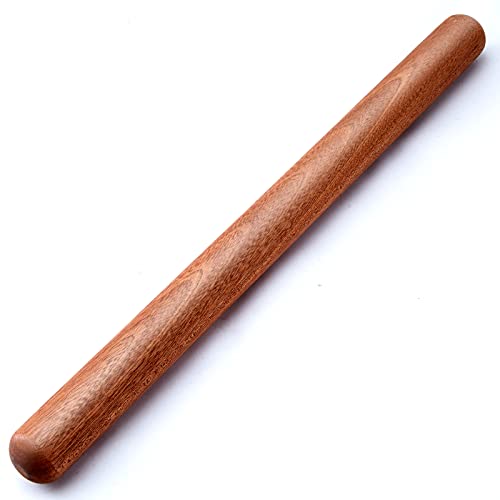
| Extra-Long Reach | Style: French / tapered | Material: Natural solid wood | Length (approximate): 17.7 in | VIEW LATEST PRICE | Read Our Analysis |
| Wooden Rolling Pin with Thickness Rings & Baking Mat |

| Thickness Control | Style: French-style (tapered rod with removable rings) | Material: Hardwood (unspecified high-quality hardwood) | Length (approximate): 13.6 in (without rings) / 17 in (with rings) | VIEW LATEST PRICE | Read Our Analysis |
| Wooden Rolling Pin 17.3″ Straight 1.73″ Diameter |
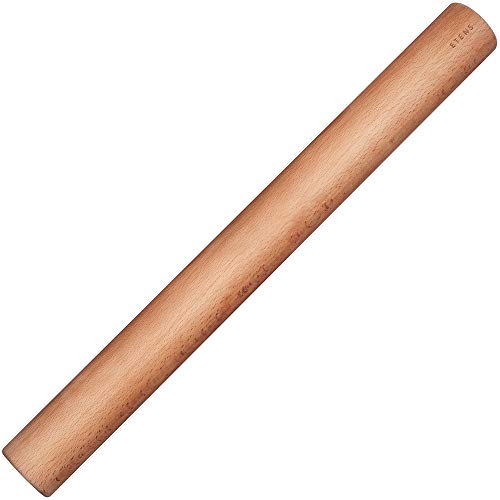
| Heavy-Duty Roll | Style: Classic straight (non-tapered) — traditional style | Material: European solid wood | Length (approximate): 17.3 in | VIEW LATEST PRICE | Read Our Analysis |
More Details on Our Top Picks
17″ French Tapered Wooden Rolling Pin for Baking
If you want a rolling pin that gives you control and a classic feel, the 17 inch French tapered wooden rolling pin is a great choice for home bakers and small kitchens. You’ll like the tapered French design because it lets you guide dough with your hands, not just push. Made from solid rubberwood, it feels sturdy yet light at 8.4 ounces, so you won’t tire quickly. The smooth surface keeps dough from sticking and cleans with a damp cloth. Use it on silicone mats, granite or marble. Don’t put it in the dishwasher; restore the finish with mineral oil when needed.
- Style:French / tapered
- Material:Solid rubberwood
- Length (approximate):17 in (marketed; product dims list 18 in)
- Finish / Surface:Smooth, no crevices; finished wood (wipe clean)
- Care (cleaning):Wipe with damp cloth; not dishwasher safe
- Intended Uses:Fondant, pie crust, cookies, pastry, pizza, bread, dough
- Additional Feature:Solid rubberwood construction
- Additional Feature:Smooth no-crevice surface
- Additional Feature:Lightweight 8.4 oz
Muso Wood Sapele Tapered French Rolling Pin (15¾”)
You’ll appreciate the Muso Wood Sapele Tapered French Rolling Pin when you want a light, smooth tool that gives you control for delicate pastries and everyday doughs. You hold a 15.7 inch, 8.4 ounce pin that feels balanced and nimble. The sapele wood is hand polished three times and pre-coated with mineral oil, so the surface stays smooth and resists moisture. Tapered ends let you pivot and shape without straining your wrists. Clean by wiping or rinsing and drying, then recoat oil monthly. Expect natural knots and careful inspection; reach out to customer service if a piece isn’t right.
- Style:French / tapered
- Material:Sapele wood
- Length (approximate):15.7 in
- Finish / Surface:Hand-polished, mineral oil coated
- Care (cleaning):Rinse or wipe with damp cloth and dry; not dishwasher safe
- Intended Uses:Fondant, pie crust, cookies, pastry, pizza, bread, dough
- Additional Feature:Hand-polished three times
- Additional Feature:Pre-oiled with mineral oil
- Additional Feature:Moisture-resistant treatment
Aisoso 17.7″ Extra-Long Wooden Rolling Pin
Home bakers who love working with large doughs will find the Aisoso 17.7″ extra-long French-style rolling pin a standout choice, especially when you need even, wide strokes for pie crusts, pizza, or sheets of cookie dough. You’ll appreciate the natural solid wood that’s finely polished to a nonstick finish, so dough won’t cling. It’s slim but sturdy at 1.38 inches diameter, letting you feel and control thickness. Use the rounded ends to mash garlic or herbs between recipes. Hand wash and dry thoroughly to protect the wood. With nearly 3,000 reviews, you’ll enjoy dependable performance and simple care.
- Style:French / tapered
- Material:Natural solid wood
- Length (approximate):17.7 in
- Finish / Surface:Finely polished and sanded, non-stick surface
- Care (cleaning):Hand wash / wipe with damp cloth; not dishwasher safe
- Intended Uses:Fondant, pie crust, cookies, pastry, pizza, bread, noodles, dumplings
- Additional Feature:Extra-long 17.7″ length
- Additional Feature:Thickened, durable build
- Additional Feature:Unfinished natural wood
Wooden Rolling Pin with Thickness Rings & Baking Mat
For home bakers who want consistent results without guesswork, this wooden rolling pin with replaceable thickness rings is a smart pick because it makes even dough thickness simple and repeatable. You’ll get a traditional French-style roller rod that measures 13.6 inches without rings and 17 inches with them. The carved ruler in inches and centimeters helps you measure as you roll. Four multicolored removable rings give you 2, 4, 6, and 10 millimeter options and fit both ends for even thickness. A baking mat, plus twelve cookie molds, expands uses from pizza and pies to noodles and dumplings.
- Style:French-style (tapered rod with removable rings)
- Material:Hardwood (unspecified high-quality hardwood)
- Length (approximate):13.6 in (without rings) / 17 in (with rings)
- Finish / Surface:Smooth hardwood with carved ruler; rings fit ends
- Care (cleaning):Wipe/hand clean implied for wooden components; not dishwasher safe
- Intended Uses:Pizza, pie crusts, tarts, cookies, breads, pastries, noodles, dumplings
- Additional Feature:Removable thickness rings
- Additional Feature:Carved inch/cm ruler
- Additional Feature:Includes baking mat & molds
Wooden Rolling Pin 17.3″ Straight 1.73″ Diameter
If you bake often and want steady, predictable results, this 17.3 inch straight wooden rolling pin is a smart choice that fits right into your routine. You’ll feel the balance as you roll thanks to the 1.73 inch diameter and one pound weight. It handles pizza, pasta, pie crusts, cookies, dumplings, ravioli, tortillas, fondant, puff pastry, tarts, croissants and more with ease. The classic straight design gives precise control and lets you flip dough over the pin. Made of hand finished European solid wood, it’s sturdy, non stick, easy to clean and works well with mats and blenders.
- Style:Classic straight (non-tapered) — traditional style
- Material:European solid wood
- Length (approximate):17.3 in
- Finish / Surface:Hand-finished, non-stick surface
- Care (cleaning):Easy to clean (hand wipe); not dishwasher safe
- Intended Uses:Pizza, pasta, pie crusts, cookies, bread, dumplings, fondant, pastries
- Additional Feature:Straight classic design
- Additional Feature:Heavier 1 lb weight
- Additional Feature:European solid wood
Factors to Consider When Choosing Wood Rolling Pins
When you pick a wood rolling pin, think about the material type and pin shape because they change how dough feels and responds. You’ll also want to check length and weight along with surface finish and thickness control so you can roll evenly and comfortably. These factors work together, so understanding each one helps you choose a pin that matches your baking style and makes rolling feel easier.
Material Type
A few simple choices about wood type will change how your rolling pin feels, how long it lasts, and how much care it needs. Pick hard, dense hardwoods like maple, beech, or sapele when you want something that resists cracking, warping, and soaking up moisture. Those woods last and stay smooth through lots of use. If you prefer easy maintenance, choose untreated or mineral oil finished wood. You can recondition it yourself and avoid chips that trap dough. Lighter woods give you a low weight pin for delicate tasks, while heavier woods give mass to roll out stiff doughs with less effort. Watch out for open grain species; they need more oiling and careful cleaning. Also check for natural oils or surface treatments that cut stickiness and boost moisture resistance.
Pin Shape
You picked your wood carefully, and now shape becomes the tool that matches feel to function. You’ll notice straight pins keep the pressure even across large sheets, so you can roll uniform cookies and pie crusts without surprises. If you want more wrist control, tapered pins narrow at the ends and make shaping pastries and fondant easier. Rod style pins with no handles let you feel dough thickness directly by using palms and wrists, which helps when precision matters. Handled pins separate the barrel from the grip, so you can push forward and back with less wrist twist for comfort. Also think about diameter. Thicker pins add mass for heavy doughs, while thinner pins give you delicate control for finer work.
Length & Weight
Since length and weight shape how a pin moves and how your hands feel, pick them to match the jobs you do most. Longer pins, about 16 to 18 inches, cover more dough so you make large sheets with fewer passes. That saves time and helps keep thickness even. Heavier pins, around 0.6 to 1.0 pounds or more, press dough faster, but you’ll lose some delicate control. Shorter or lighter pins under 14 inches or below 0.5 pound give more maneuverability for small pastries, cookies, and detailed shaping. Match long and heavy to pie crusts and pizza, and choose short and light for individual treats or fondant. Also consider your strength and comfort, because heavier, longer pins need more wrist and forearm effort during long sessions.
Surface Finish
Often the finish on a wooden rolling pin makes the biggest difference in how it feels and performs when you bake. You want a smooth, well-polished surface because it keeps dough from sticking and lets you use less flour, which helps gluten and texture. Look for finishes like food-safe mineral oil or plant-based oils that soak into the wood to repel moisture and extend the pin’s life, but plan to reapply them regularly with use. Choose sealed or specially treated surfaces to resist water absorption and warping, so the pin won’t crack or grow mold after hand-washing. Avoid waxy or painted coatings unless labeled food-safe, and pick pins without crevices, knots, or rough fibers to make cleaning easier and safer.
Thickness Control
Controlling thickness makes a huge difference in how your pastries turn out, and choosing the right wooden rolling pin helps you get consistent results every time. If you need repeatable thickness, pick a pin with adjustable rings or removable spacers in the common 2 mm to 10 mm range. Tapered French pins give you fine control when you want thinner edges, while straight or ring pins help keep the whole sheet uniform. Think about diameter and length too. Thinner diameters and longer lengths let you maneuver gently for delicate doughs. Heavier, thicker pins flatten faster, which can be good for sturdy dough. Look for clear engraved measurements or included rulers on mats. If you bake varied recipes, choose multiple preset thicknesses to protect your dough.
Maintenance Needs
You’ll want to care for a wooden rolling pin like a trusted kitchen friend, because simple upkeep keeps it straight, smooth, and safe for food. Hand-wash it with a damp cloth or rinse quickly, then dry it fully right away to stop warping and mold. Don’t use the dishwasher or soak it; heat and long water exposure will swell fibers and strip oils. Every month or two with regular use, rub in food safe mineral oil or a light coat of olive oil to seal pores and cut sticking. Store the pin flat or hang it in a cool, dry spot away from sun and heat so it stays straight and crack free. If the surface roughens, sand lightly, reoil, sanitize with diluted vinegar, and dry fully before use.
Intended Use
When you pick a wooden rolling pin, think first about what you’ll make most often so the pin matches the job and makes baking easier. If you bake delicate pastries, cookies, or fondant, choose a tapered French pin. Its slim ends let you steer and shape with control. For pizza, bread, or heavy doughs, pick a straight, thicker pin that gives steady pressure and a larger surface. Match length to dough size: longer pins around 17 to 18 inches help roll big sheets without flipping, while shorter pins fit small batches and tight storage. Consider diameter and weight together. Thinner, lighter pins give fine control and feedback. Larger, heavier pins add mass and smooth stiff dough faster. Think about how you work to pick the right balance.