

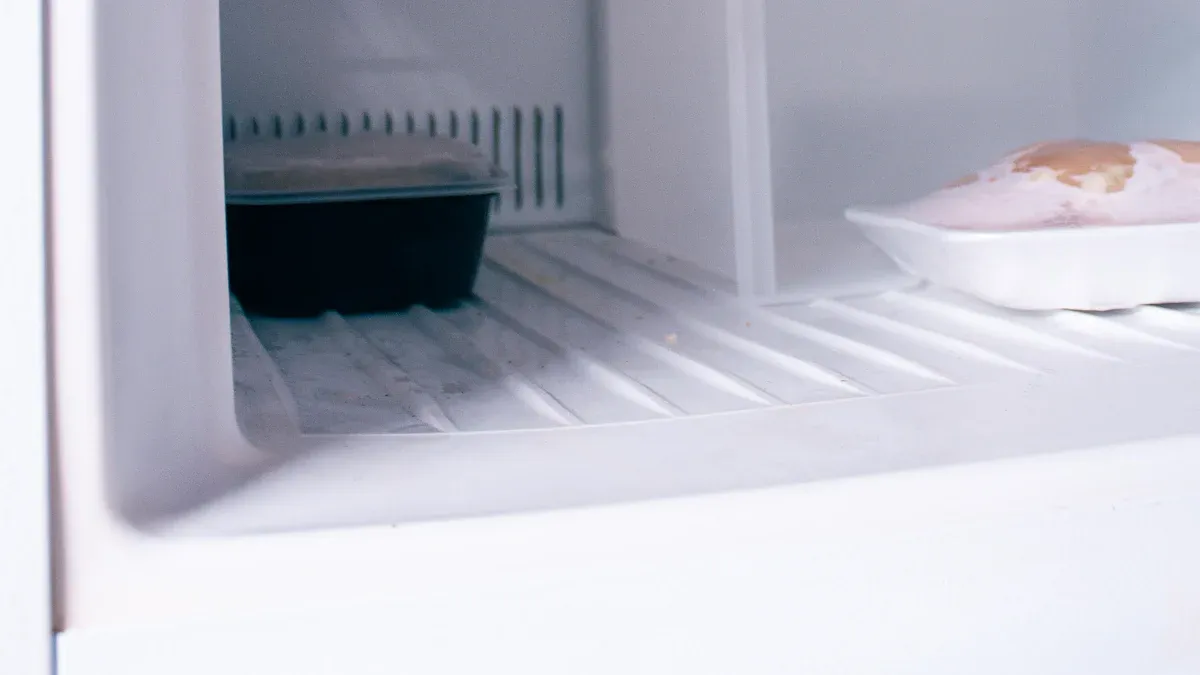
Yes, you can freeze cooked beef. You keep meals safe and fresh while saving money and time. Here are common types you might freeze at home:
Beef lasagna
Spaghetti and meatballs
Brisket enchiladas
When you freeze cooked beef, you help cut down on food waste and protect the environment.
Key Takeaways
Freezing cooked beef helps save time and reduce food waste. Enjoy quick meals while being environmentally friendly.
Always cool cooked beef before freezing. This prevents sogginess and keeps the meat fresh.
Use airtight containers or vacuum-sealed bags for storage. Proper packaging prevents freezer burn and maintains flavor.
Freeze Cooked Beef
Freezing cooked beef is a smart way to save time and reduce waste. You can freeze cooked hamburger, cooked ground beef, and other beef dishes with confidence. Let’s look at what you need to do to keep your beef safe and tasty.
How to Freeze Cooked Hamburger
If you want to know how to freeze cooked hamburger, you need to follow a few simple steps. This helps you keep the flavor and texture fresh.
Let your cooked hamburger patties cool to room temperature. Cooling prevents condensation and keeps the meat from getting soggy.
Place the patties in an airtight container or wrap them tightly in plastic wrap if you plan to use them soon.
For longer storage, use freezer bags or a freezer-safe container. Make sure you squeeze out as much air as possible.
Label each package with the date. This helps you track freshness and makes it easy to use frozen cooked hamburger before it loses quality.
Store the hamburger in the freezer for up to three months.
Tip: Always cool your cooked hamburger quickly. Move it from 140°F to 70°F within two hours, then from 70°F to 41°F in the next four hours. This keeps bacteria from growing and protects your safety.
You can use frozen cooked hamburger for quick meals like sandwiches, casseroles, or tacos. Just thaw and reheat when you need a fast dinner.
Freeze Cooked Ground Beef
You can freeze cooked ground beef just as easily. The process is almost the same, but portioning makes meal prep easier.
Cool the cooked ground beef to room temperature before freezing. This keeps moisture from building up inside the package.
Divide the beef into serving-size portions. Each patty is about ¼ pound, so you can use one-pound bags for family meals.
Wrap each portion tightly in freezer paper or plastic wrap, then place it in a heavy-duty freezer bag or use a vacuum sealer.
Label each bag with the date and portion size. This helps you use frozen cooked ground beef before it gets old.
If you freeze cooked ground beef in small portions, you only thaw what you need. This is one of the best practices for freezing beef and helps you avoid waste.
Packaging and Labeling Tips
The importance of airtight packaging cannot be overstated. Air exposure leads to freezer burn and ruins the taste and texture of your beef. Here’s what works best:
Packaging Material | Key Properties |
|---|---|
Low-density polyethylene (LDPE) | Flexible, good moisture barrier, conforms closely to meat, eliminates air pockets. |
Polyester films | Superior barrier against oxygen and water vapor, ideal for long-term storage. |
Nylon/polyethylene laminates | Puncture resistance, low gas permeability, flexible, heat-sealable. |
Heat-shrinkable polyethylene | Conforms tightly to irregular shapes, eliminates air pockets effectively. |
Use vacuum sealers for the longest shelf life. Vacuum sealing keeps cooked beef edible for months and protects against freezer burn.
Heavy-duty freezer bags work well for short-term storage, but vacuum sealing preserves flavor and nutrients better.
Wrap beef in moisture-resistant materials like freezer paper or butcher paper before placing in containers.
Lay bags flat in the freezer. This makes stacking easy and helps you organize your frozen cooked beef.
Always label each package with the date. Date labels help you track storage time and use beef while it’s still fresh.
Note: Keep a marker and freezer labels handy. Use different colors for different foods so you can find what you need fast.
You can freeze cooked beef even if it was previously frozen before cooking. Just make sure you thaw it in the refrigerator and refreeze within three to four days. Never refreeze beef that has been at room temperature for more than two hours. Freezing does not kill bacteria, so proper techniques for freezing and handling are key for safety.
When you freeze cooked beef, you get convenience, safety, and less waste. You can use frozen cooked hamburger and cooked ground beef for quick meals, saving time and money. Follow these steps and best practices for freezing to keep your beef delicious every time.
Freezing Cooked Meat: Storage and Quality
How Long to Freeze Cooked Beef
You might wonder how long freezing cooked meat keeps it fresh. The best quality lasts about 2 to 3 months in the freezer. After that, the taste and texture can start to change. Here’s a quick guide:
Type of Meat | Freezer Storage Time |
|---|---|
Cooked beef, veal, lamb | 2–3 months |
Leftover Cooked Beef | 2–3 months |
If you use a vacuum sealer, you might stretch that time by another month. Some people say freezing cooked meat can last up to a year, but you get the best results if you use it within three months. Always keep your freezer at 0ºF or below. This temperature keeps freezing cooked meat safe and helps prevent freezer burn.
Taste and Texture After Freezing
Freezing cooked meat does a good job of locking in flavor, but you may notice some changes after thawing. Here’s what you can expect:
Flash freezing at peak freshness keeps the taste and texture close to the original.
If you freeze cooked beef the wrong way, you might lose moisture. This can make the meat dry or tough.
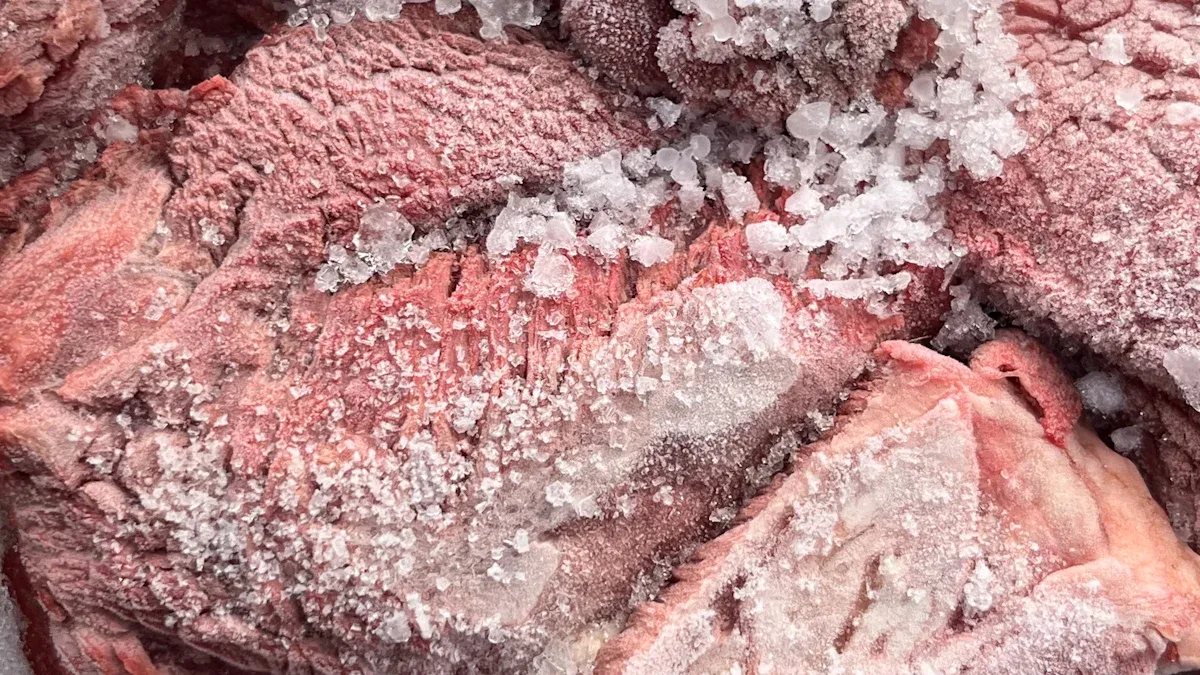
Ice crystals form during freezing cooked meat. These crystals pull water out of the beef, which can change the taste and make it less juicy.
Wrapping beef tightly helps stop ice crystals from forming and keeps the meat tasting better.
“The study indicates that sensory scores for attributes such as tenderness and juiciness of beef samples remained stable until the second freeze-thaw cycle, after which a decline was observed. This decline is attributed to moisture loss and the formation of ice crystals that damage muscle cell walls, leading to juice loss upon thawing.”
Bigger cuts of beef lose more moisture and can get tougher than smaller pieces. If you freeze steak, you might notice it feels a bit chewier after thawing. Freezing cooked meat one time keeps most of the tenderness and juiciness, but try not to refreeze it.
You might worry about nutrition. Freezing cooked meat keeps most nutrients. The USDA says you lose very little nutrition during freezing. Minerals stay at about 84% to 96%, and water-soluble vitamins stay at 66% to 78%.
Thawing and Reheating
When you want to use your frozen beef, you need to thaw it safely. Here are the best ways:
Refrigerator Thawing: Place freezing cooked meat in the fridge. It stays below 40°F, so bacteria can’t grow. This method takes longer, but it’s the safest.
Cold Water Thawing: Put the beef in a leak-proof bag and submerge it in cold water. Change the water every 30 minutes. This method is faster, but you need to watch it.
Microwave Thawing: Use this if you’re in a hurry. Microwave the beef in a microwave-safe container and cover it. You must cook it right after thawing because some spots may get warm.
Thawing By Cooking: You can cook small pieces of freezing cooked meat straight from the freezer. This works well for soups or casseroles.
After thawing, always reheat freezing cooked meat to 165°F. Make sure it’s hot and steamy. If you’re reheating soup or sauce, bring it to a rolling boil. When using the oven, set it to at least 325°F. These steps keep your food safe.
Best Uses After Freezing
Freezing cooked meat gives you lots of meal options. Once you thaw it, you can use it in many tasty dishes. Here are some ideas:
Spaghetti
Tacos
Nachos
Pizza (try canned pizza dough, biscuits, English muffins, or bagels)
Skillet lasagna
Pizza pockets
Tater tot casserole
Mexican casserole
Beef Stroganoff
You can get creative with freezing cooked meat. Add it to soups, stews, or stir-fries. Make quick sandwiches or wraps. If you see ice crystals, a grayish color, or smell something off, don’t use the beef. Freezer burn makes the meat dry and changes the taste, but it’s still safe to eat. If the beef feels slimy or smells bad, throw it away.
To keep freezing cooked meat at its best, always use airtight packaging. Wrap the beef in plastic wrap, then foil, and put it in a freezer-safe bag. Keep your freezer at 0ºF or below. Don’t overfill your freezer, and keep an inventory so you use food before it gets old.
Freezing cooked meat helps you save time, reduce waste, and enjoy easy meals. With the right steps, you keep your beef safe, tasty, and ready for your next dinner.
Freezing cooked beef is safe, easy, and helps you cut down on waste. For best results, remember these steps:
Cool beef before freezing.
Portion for easy meals.
Use airtight containers.
Label with date and type.
Lay flat for quick thawing.
Enjoy quick, tasty meals anytime!
FAQ
What happens if you freeze cooked beef more than once?
You might notice the beef gets drier and loses flavor. Try to freeze and thaw only one time for the best taste.
What is the best way to store cooked beef in the freezer?
Use airtight containers or vacuum-sealed bags. Label everything with the date. This keeps your beef fresh and easy to find.
What should you do if cooked beef has freezer burn?
Cut off the freezer-burned parts. The rest is safe to eat, but it may taste dry. Add sauce or broth to help with flavor.