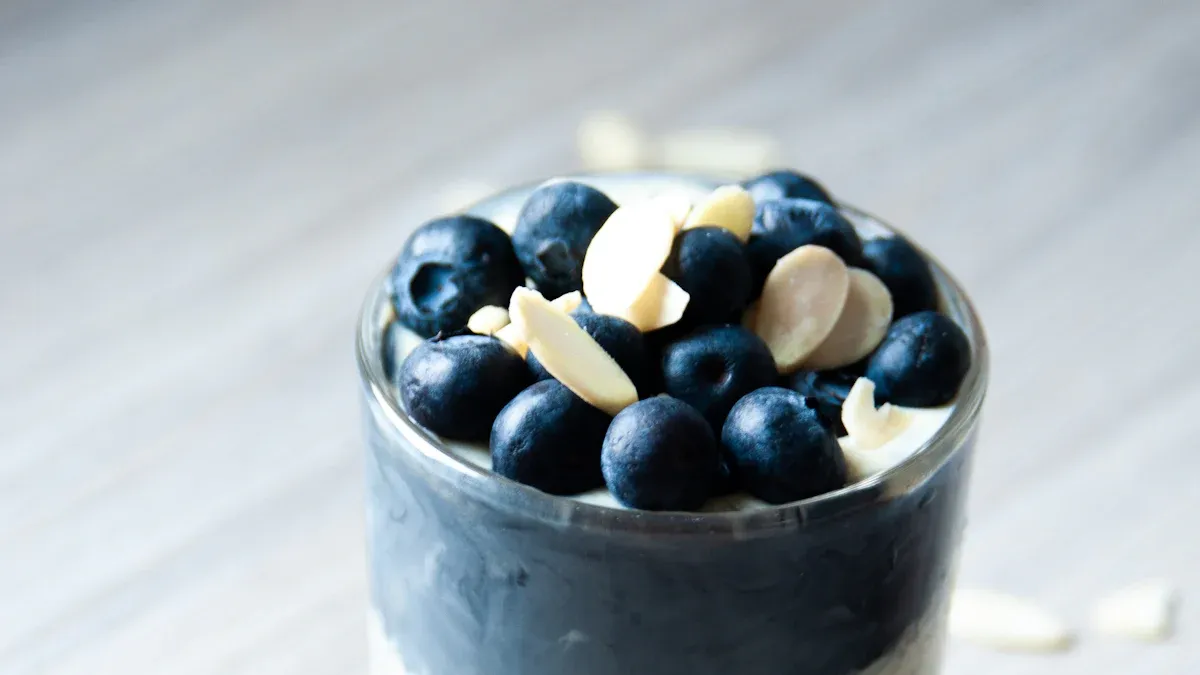
If you’re wondering what do chia seeds taste like, you’ll notice a mild, nutty flavor. Most people recognize chia seeds for their unique texture. Dry chia seeds feel crunchy, almost like poppy seeds. Soaked chia seeds turn soft and gel-like, similar to tapioca pearls.
Preparation Method | Effect on Texture and Taste |
|---|---|
Dry (Raw) | Crunchy, mild flavor |
Soaked | Soft, gel-like |
Roasted | Nutty, with a pop |
You’ll find practical tips and real examples just ahead.
Key Takeaways
Chia seeds have a mild, nutty flavor and a unique texture. They are crunchy when dry and gel-like when soaked.
Preparation methods like soaking or roasting change the texture and flavor. Soaked seeds become soft, while roasted seeds develop a nuttier taste.
Chia seeds are versatile. Use them in sweet dishes like puddings and smoothies or in savory recipes like fritters and salads.
Chia Seeds Taste
What Do Chia Seeds Taste Like
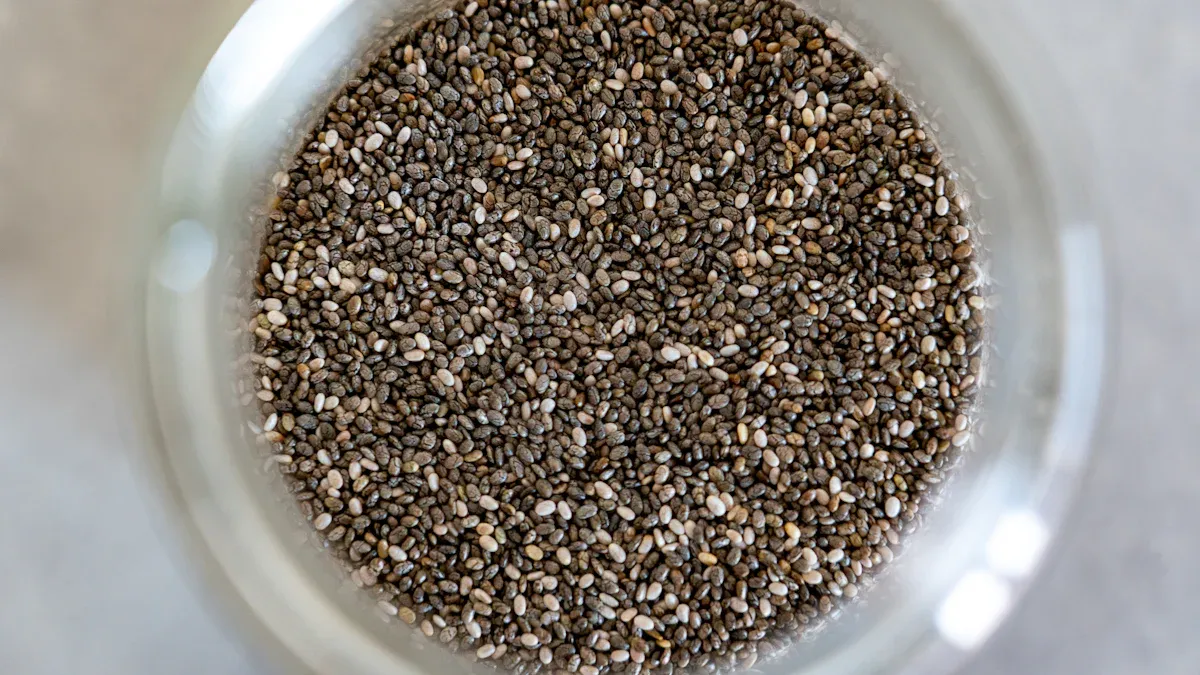
When you try chia seeds for the first time, you might wonder, “what do chia seeds taste like?” You’ll notice they have a mild nutty flavor, but it’s very subtle. Most people say chia seeds taste almost neutral. This means you can add them to many foods without changing the main flavor. If you compare chia seeds taste to other seeds, like flax or sesame, you’ll find chia seeds have a more neutral flavor profile. They blend into recipes easily and don’t overpower other ingredients.
Here’s a quick look at how chia seeds taste compared to other seeds:
Seed Type | Flavor Intensity | Description |
|---|---|---|
Chia Seeds | Neutral | Blend well into various dishes |
Sesame Seeds | Similar | Often compared to chia seeds |
Flax Seeds | Slightly Nutty | More pronounced flavor than chia |
You might notice a tiny hint of earthiness, but it’s not strong. Because of this, you can use chia seeds in both sweet and savory dishes. Their mild taste makes them a favorite for people who want to boost nutrition without changing the flavor of their food.
Chia Seeds Texture
Chia seeds are famous for their texture. When dry, they have a crunchy texture, almost like tiny poppy seeds. If you sprinkle them on yogurt or oatmeal, you’ll feel a gentle crunch with every bite. But when you soak chia seeds in water or milk, something amazing happens. They can expand up to 10–12 times their size and form a soft, gummy texture. This gel-like coating gives foods like chia pudding or overnight oats a unique mouthfeel.
Chia seeds can absorb water up to 12 times their weight.
They form a mucilaginous gel, which changes the texture completely.
This gel can help you feel full longer because it slows down how fast your stomach empties.
Tip: If you want a thicker smoothie or pudding, let chia seeds soak for at least 15 minutes. The longer they soak, the more pronounced the gummy texture becomes.
Food scientists say this gel helps improve the mouthfeel of drinks and puddings. It makes them feel smooth and satisfying. Chia seeds taste mild, but their texture stands out in every recipe.
Roasted vs Raw Chia Seeds
You can eat chia seeds raw or roasted, and each way gives a different experience. Raw chia seeds keep their neutral flavor profile and are best for blending into foods. They’re soft when soaked and crunchy when dry. Roasted chia seeds, on the other hand, develop a deeper, nuttier taste. Roasting brings out a toasty aroma and adds a satisfying pop when you bite into them.
Consumer taste tests show that many people prefer roasted chia seeds for their crunchier texture. They make a great snack on their own or as a topping for salads and soups. Roasting also increases the antioxidant activity in chia seeds and changes their texture and sweetness in a way that people enjoy.
Change Observed | Effect on Chia Seeds |
|---|---|
Antioxidant Activity | Increased after roasting |
Texture and Sweetness | Improved in consumer preference tests |
Hardness | Decreases with longer roasting |
Brightness | Decreases with longer roasting |
Raw chia seeds are still popular because they keep all their healthy fats and nutrients. You can use them in smoothies, baked goods, or as a thickener in recipes. Chia seeds taste almost the same whether raw or roasted, but roasting gives them a stronger nutty note and a crunchier bite.
Most people recognize chia seeds for their texture rather than their taste. They can absorb water and create gels, which helps change the consistency of foods. Chia seed gel can even replace oil or eggs in baking, making it a handy ingredient for many recipes.
Using Chia Seeds
Chia Seeds in Sweet Dishes
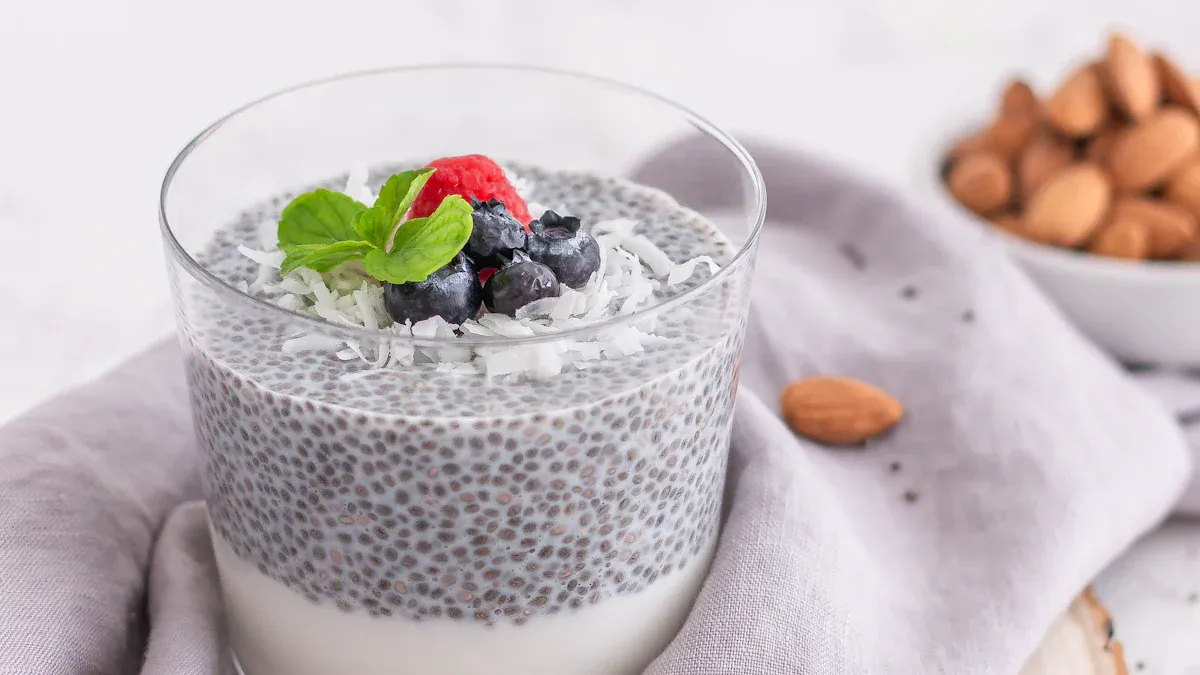
You can find chia seeds in many sweet recipes. Their mild, nutty flavor blends right in, so you won’t notice a strong taste. What do chia seeds taste like in sweet dishes? They add a gentle crunch when dry and a smooth, jelly-like texture when soaked. This makes them perfect for chia pudding, jams, and smoothies and breakfast bowls.
Here are some popular sweet chia seed recipes:
Recipe Name | Description |
|---|---|
High-Protein Blueberry & Peanut Butter Chia Pudding | Creamy pudding with almond milk and blueberries, great for breakfast. |
Raspberry-Peach Chia Seed Smoothie | Refreshing smoothie with peaches, raspberries, and chia seeds for fiber. |
Mango, Passion Fruit & Coconut Chia Pudding | Tropical pudding with mango and passion fruit flavors. |
No-Added-Sugar Chia Seed Jam | Healthy jam using chia seeds for thickness and natural fruit sweetness. |
Cocoa-Chia Pudding with Raspberries | Chocolate chia pudding paired with raspberries. |
Apple Cinnamon Chia Pudding | Classic pudding with apples and cinnamon. |
You’ll notice that chia seeds thicken these dishes, making them creamy and satisfying. They work well in breakfast bars, cookies, and even as a topping for yogurt or smoothie bowls.
Chia Seeds in Savory Dishes
Chia seeds taste like a subtle, nutty crunch in savory recipes. You can use them in fritters, patties, and even bread. Try incorporating chia seeds into zucchini and corn fritters, chickpea patties, or gluten-free quinoa loaves. They also make a great binder in veggie burgers or dippers.
Chia seeds thicken soups and sauces without changing the flavor.
You can mix them with flours and spices for savory crackers or flatbreads.
Sprinkle them on salads or Buddha bowls for extra crunch and nutrition.
Coat tofu or cheese with chia and spices for a crispy finish.
Chia seeds taste like a gentle background note, so they never overpower your favorite savory recipes.
Chia Seeds Taste Like in Recipes
When you add chia seeds to recipes, you get more texture than flavor. Chia seeds taste like a mild, nutty seed, but their main job is to thicken and add body. In chia pudding, the seeds swell up and create a smooth, slightly crunchy texture. If you grind chia seeds, they blend right in, making baked goods velvety instead of crunchy. Cooking or baking with chia seeds doesn’t change their flavor much, but it can make the texture softer or more even.
Tip: Pre-soak chia seeds before adding them to baked goods for better moisture and texture.
Chia seeds work well in both sweet and savory dishes because they don’t have a strong taste. You can enjoy them in smoothies and breakfast bowls, jams, breads, and even as an egg substitute. Adding chia seeds boosts nutrition and gives your recipes a fun, unique texture.
Chia seeds taste mild and slightly nutty, but their texture stands out-crunchy when dry, gel-like when soaked.
Preparation changes everything. Soaking, roasting, or grinding brings out new textures and uses.
You can add them to drinks, baked goods, or even use them as an egg substitute.
Try chia seeds in different ways. You might discover a new favorite texture or recipe!
FAQ
Do chia seeds have a strong flavor?
No, you will not notice a strong flavor. Chia seeds taste very mild and almost neutral. You can add them to many foods without changing the taste.
Can you eat chia seeds without soaking them?
Yes, you can eat them dry. You might enjoy the crunch in yogurt or salads. If you want a softer texture, soak them first.
How do you use chia seeds in recipes?
You can sprinkle them on oatmeal, blend them into smoothies, or make chia pudding. If you want more ideas, search for how to eat chia seeds.