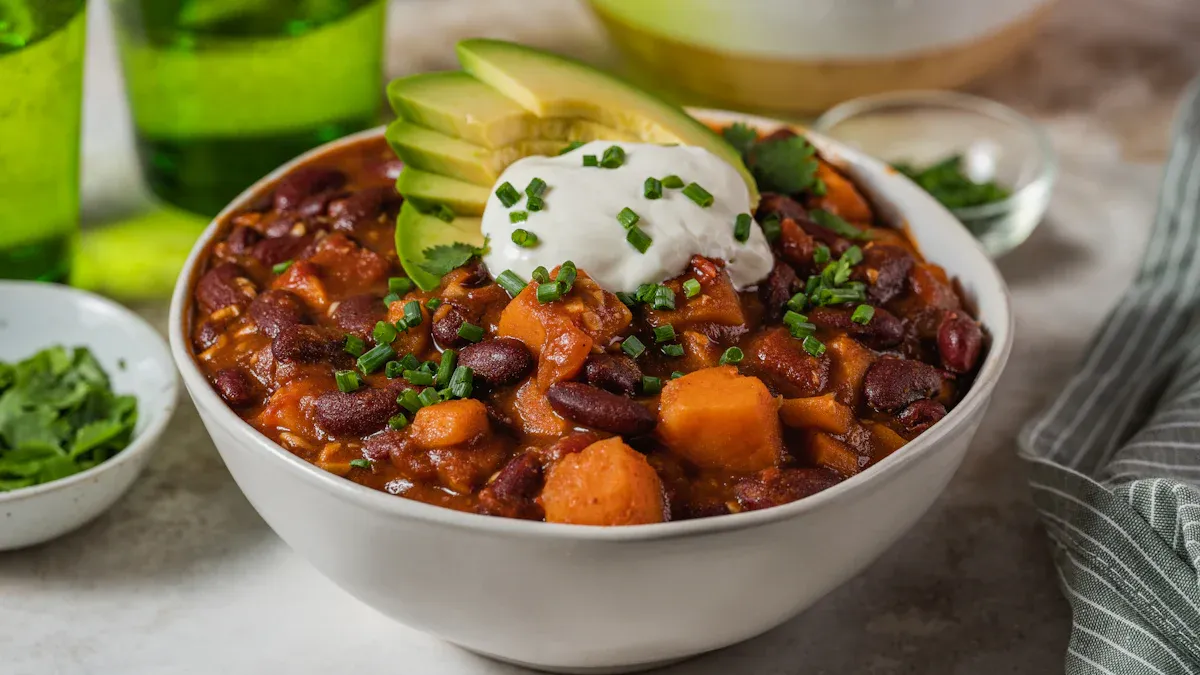
I believe chili is the ultimate comfort food. It truly warms your body and soul, making any meal feel cozy and satisfying. Many people agree with me; surveys show chili receives 27% of votes as a top winter comfort food. I am so excited to share eight diverse chili recipes with you today. This collection offers something for everyone. You can easily discover your new favorite chili recipe among these options. These homemade chili ideas will bring you much comfort.
Key Takeaways
Chili is a versatile comfort food with many types, from classic beef to vegetarian and spicy options.
You can adjust chili recipes to fit your taste, like making it spicier or using different meats and beans.
Unique ingredients like coffee or specific spices can make chili taste special and different.
Toppings like sour cream and cheese make chili even better and add flavor.
You can make chili ahead of time and freeze it for easy meals later.
Classic Chili Recipes
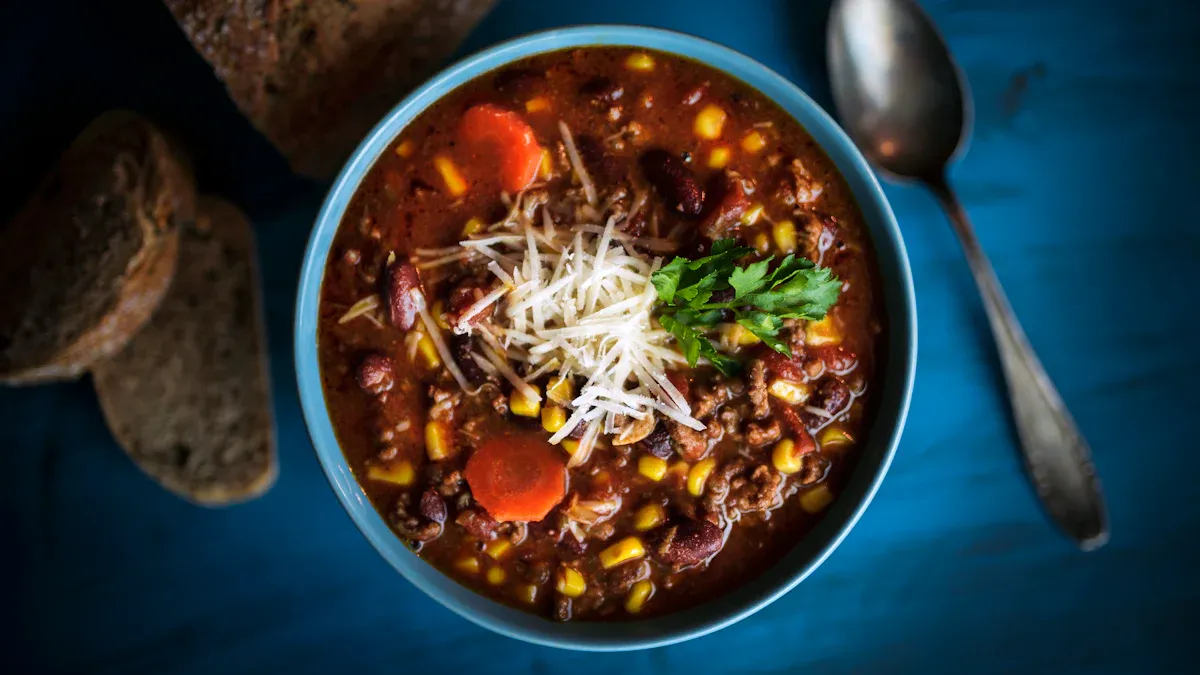
When I think of classic chili recipes, my mind immediately goes to two foundational dishes. These are the ones many people grew up eating. They offer that familiar, comforting taste we all love. I find these recipes are perfect for introducing someone to the wonderful world of chili.
Classic Beef Chili
My favorite homemade chili starts with good quality ground beef. This classic beef chili recipe is a true crowd-pleaser. It has a rich history, too! Did you know that early forms of chili pepper-seasoned stews were documented way back in 1529 in the Aztec capital, Tenochtitlan? The Spanish later brought cattle to Mexico, which introduced beef as the main meat. By the 17th to 19th centuries, people in Mexico often ate dried salted beef, called ‘tasajo’ or ‘cecina,’ in a red chili sauce stew known as carne con chile. This dish was popular because it was affordable and easy to make.
English naval officer George Francis Lyon saw Rancheros eating dried beef with chili sauce in 1826. French colonist Mathieu de Fossey had a similar experience in 1831. Chili con carne became especially popular in northern Mexico and southern Texas. Working-class Tejana and Mexican women largely developed it. The ‘chili queens’ of San Antonio, Texas, really helped make the dish famous. They sold inexpensive chili-flavored beef stew from their ‘chili joints.’ The San Antonio Chili Stand at the 1893 Columbian Exposition in Chicago introduced chili to even more Americans. San Antonio’s popularity as a tourist spot helped spread Texas-style chili con carne across the South and West. Texas even made chili con carne its official state dish in 1977! Before World War II, hundreds of family-run chili parlors, often with secret recipes, operated all over Texas and other states. Commercial chili powder became available by 1904. This made it easier for chili parlors to open outside of Texas. For example, Charles Taylor’s ‘Mexican Chili’ parlor opened in Illinois, and Varallo’s opened in Tennessee in 1907.
Chili peppers, a key ingredient in chili, came from the Brazilian lowlands. They spread north and west, reaching Mesoamerica and eventually the modern-day American Southwest. While we debate the exact origins of chili con carne, many believe it started in Texas around the mid-19th century. It became very popular in San Antonio and even appeared at the 1893 World’s Fair in Chicago.
When I make this chili, I use specific ingredients to get that perfect taste and texture. I always start with ground beef. For the base, I use a mix of diced and crushed tomatoes. I also add kidney and white navy beans, though other beans work well too. A yellow onion provides a great foundational flavor. I layer in both fresh garlic cloves and garlic powder for a deeper taste. Tomato paste helps thicken the chili. Chicken stock or broth adds the necessary liquid. For seasoning, I use a blend of chili powder, cumin, dried oregano, paprika, cayenne, salt, and black pepper. The rich flavor of beef makes this chili stand out. This recipe is a must-try for anyone who loves a hearty meal.
White Chicken Chili
For a different kind of homemade chili, I often turn to white chicken chili. This recipe offers a lighter, yet equally satisfying, experience. Instead of beef and a tomato-based sauce, I use tender chicken and a creamy, savory broth. I typically use shredded cooked chicken, which makes it a quick meal to put together.
The key to white chicken chili is the combination of white beans, like cannellini or great northern beans, and mild green chiles. These chiles give it a subtle warmth without too much heat. I also add ingredients like chicken broth, onions, garlic, and a touch of cream or milk for that signature creamy texture. Sometimes, I even add a bit of corn for extra sweetness and texture. It’s a fantastic option when you want something comforting but different from the traditional red chili. I love how versatile chili can be, and this white chicken chili recipe proves it!
Spicy Chili Variations

Sometimes, I crave a chili that really brings the heat! 🔥 If you love a good kick, these next chili recipes are definitely for you. I designed them for those of us who enjoy a significant spice level. But don’t worry, I’ll also share some tips for handling those hot peppers and balancing the intense spice.
Fiery Habanero Chili
When I want a truly fiery experience, I turn to my Fiery Habanero Chili. This recipe is not for the faint of heart, but it delivers an incredible depth of flavor along with its heat. Habanero peppers are the star here, and they pack a serious punch! Did you know that habanero peppers have a Scoville Heat Unit (SHU) rating from 100,000 to 350,000? That’s quite a range, and it means you’re in for some real warmth.
I usually start this chili with ground beef, just like a classic, but I load it up with diced habaneros. I also add a mix of bell peppers, onions, and garlic to build a robust flavor base. Tomatoes, kidney beans, and a rich beef broth complete the stew. The key is to let it simmer for a while. This allows all those spicy flavors to meld together beautifully.
If you’re curious about habaneros but a little nervous about the extreme heat, I have a secret for you! You can actually reduce the heat of habanero peppers if you want to enjoy their fruity flavor without all the fire. Here’s how I do it:
I scrape the inner walls of the habanero pepper with my thumbnail or a spoon. This releases capsaicin, which is the compound that makes peppers hot. It’s concentrated in these areas.
Then, I dilute the capsaicin by rubbing olive oil onto the scraped flesh. After that, I rinse it off.
To dissolve the capsaicin even more, I rub a strong alcoholic beverage, like tequila, onto the pepper. Then, I rinse it again with alcohol.
For habaneros, a quick rub and rinse isn’t enough. They need a prolonged soak in alcohol for about 3 hours to really reduce or even eliminate the heat. After 1 hour, the heat level should feel similar to a serrano pepper. After 2 hours, it’s like a strong jalapeño. And after 3 hours, you’ll find little to no heat left!
This method lets you control the spice in your chili, so you can enjoy this amazing recipe just how you like it.
Spicy Vegetarian Black Bean Chili
For my plant-based friends who love spice, I created this Spicy Vegetarian Black Bean Chili. It’s a hearty and flavorful option that doesn’t skimp on the heat or the satisfaction. This vegetarian chili is packed with goodness, and it’s a fantastic way to enjoy a warm, spicy stew.
Black beans are the hero here. They provide a wonderful texture and are an excellent source of protein. In fact, many vegetarian and vegan chili recipes highlight black beans for their high protein content. This makes my vegetarian black bean chili a very filling meal. I also like to add corn, diced tomatoes, and sometimes even sweet potatoes for extra flavor and nutrients.
To get that perfect spicy kick, I use a blend of spices. I find these spices really make the flavors pop in this vegan recipe:
Garlic cloves
Cumin
Oregano
Chili powder
Smoked paprika
Cayenne pepper (I add extra for more heat!)
Cilantro (for a fresh finish)
I love how these spices come together to create a rich and complex flavor profile. This recipe is not just spicy; it’s also incredibly comforting and satisfying. It’s proof that a vegetarian chili can be just as robust and exciting as any meat-based one.
Hearty & Unique Chili Ideas
I love exploring new ways to make chili. This section focuses on innovative and health-conscious chili recipes. I want to show you how alternative proteins and vegetables can create incredibly flavorful and satisfying meals. These options offer unique tastes and great nutritional benefits.
Turkey Sweet Potato Chili
When I want a hearty meal that feels both comforting and wholesome, I often turn to Turkey Sweet Potato Chili. This recipe is a fantastic twist on traditional chili. It uses lean ground turkey instead of beef. This makes it a lighter option without sacrificing flavor.
I find sweet potatoes are a key ingredient here. They add natural sweetness and a creamy texture. They also contribute many nutrients without adding extra calories. Sweet potatoes effectively balance the chili seasonings, giving the dish a wonderful depth. When I compare proteins, I see some clear benefits:
Ingredient | Protein | Fat | Saturated Fat |
|---|---|---|---|
99% Fat-Free Ground Turkey | Same as 95% lean ground beef | More than half less than 95% lean ground beef | More than half less than 95% lean ground beef |
95% Lean Ground Beef | Same as 99% Fat-Free Ground Turkey | Higher | Higher |
This table shows me that 99% fat-free ground turkey is a great choice for a leaner chili.
I love how the flavors come together in this chili. It has a smoky, spicy taste with a touch of warmth and sweetness. I often include black beans and red bell pepper. These are excellent additions. I enhance the chili’s flavor with spices like smoky chipotle peppers in adobo sauce and cinnamon. These really contribute to its overall appeal.
Here are some of my favorite ingredients for this recipe:
Spices: oregano, chili powder, smoked paprika, cumin, cinnamon, unsweetened cocoa powder.
Vegetables and Legumes: sweet potatoes, canned tomatoes, black beans, pumpkin puree, onion, garlic, bell pepper, jalapeño, mushrooms.
Other base ingredients: beef broth, olive oil, turkey breast.
Toppings: sour cream, sliced avocado, chopped cilantro, green onion, fresh lime juice.
This homemade chili is truly a winner. If you enjoy turkey chili, you might also like a turkey and white bean chili for another variation. For those who prefer plant-based options, a vegan sweet potato chili is also a delicious idea!
Hearty Vegetarian Lentil Chili
I often make a Hearty Vegetarian Lentil Chili when I want a truly filling and nutritious meal. This recipe proves that a vegetarian chili can be just as robust and satisfying as any meat-based version. It’s also a fantastic vegan option.
Lentils are the star of this chili. They are a phenomenal source of protein, complex carbohydrates, and iron. Red lentils, in particular, provide a boost of protein and fiber. They are also rich in iron, folate, and antioxidants. This makes them incredibly good for you.
Here are some of the nutritional advantages I find in lentil-based chili:
High in plant-based protein (18g per cooked cup of lentils), which supports muscle repair and growth.
Rich in dietary fiber (15.6g per cooked cup of lentils), promoting digestive health and helping to reduce cholesterol levels.
An excellent source of iron (6.6mg per cooked cup of lentils), crucial for oxygen transport and preventing anemia.
Provides folate (90% of daily value per cooked cup of lentils), essential for DNA synthesis and fetal development.
Contains polyphenols and antioxidants, which combat inflammation and oxidative stress.
Low in fat and free of cholesterol, making it a wholesome option for various diets.
A serving of this chili provides over half your daily iron needs. It also gives you a third of your potassium needs. Plus, it contains a whopping 20g of plant-based protein! This makes it a truly hearty dish.
I love adding a variety of vegetables to my lentil chili. They complement the lentils perfectly and add even more nutrients. My go-to vegetables include:
Onion
Celery
Carrots
Corn
Roasted red peppers
Avocado (as a topping)
This vegetarian recipe is incredibly versatile. You can easily adjust the vegetables based on what you have on hand. It’s a delicious and healthy way to enjoy a comforting bowl of chili.
Gourmet & Global Chili
I love discovering how different cultures and innovative chefs elevate the humble chili. This section introduces you to sophisticated and regionally distinct chili recipes. I will explain how unique ingredients or serving styles can truly transform the chili experience.
Coffee-Infused Chili Con Carne
When I want to add a sophisticated twist to my classic beef chili, I often turn to coffee-infused chili con carne. This recipe takes a familiar dish and gives it an unexpected depth of flavor. I find that coffee does amazing things for chili. It deepens the flavors of other spices, especially cumin and paprika, without overpowering them. This adds a wonderful level of complexity to the overall dish.
Coffee also tenderizes the meat, invigorating the beef’s flavor for a more succulent bite. I have noticed that using brewed coffee with subtle notes like chocolate and cherry can introduce those delicate flavors into the chili. It’s a fantastic way to make your beef chili stand out.
I have found certain types of coffee work best for this recipe. For a great depth of flavor that marries well with bold chili spices, I recommend Papua New Guinea from Waghi Valley. It won’t overpower the other ingredients. You can also use espresso or strong brewed coffee for a deep, rich flavor. If you are sensitive to caffeine, decaffeinated espresso works just as well. I sometimes use Death Wish Coffee because it has subtle hints of chocolate and cherry. These notes add desirable flavors to my chili.
Cincinnati-Style Chili
I find Cincinnati-style chili to be one of the most unique and regionally distinct chili recipes out there. It’s not like any other chili I have tried! This chili has a fascinating history, reflecting its Greek-Macedonian origins. Early 20th-century Greek immigrant restaurateurs, like John and Tom Kiradjieff, incorporated Mediterranean-influenced ingredients into their spiced meat sauce. They used spices such as paprika and allspice, along with a distinctive combination of cinnamon and chocolate. While it also includes cumin and some chile pepper, these additions truly set it apart from other chili varieties.
When I make Cincinnati chili, I notice the spice blend is quite different from a Texas-style chili. For example, Texas-style chili often uses cilantro, Mexican oregano, smoked paprika, and various chili powders. My Cincinnati chili recipe, however, features chili powder, cumin, cinnamon, cloves, allspice, bay leaves, cayenne powder, nutmeg, and even chocolate. This unique blend gives it a sweet and savory profile that is truly its own.
The serving traditions for Cincinnati chili are also very specific and fun! You can order it in different “ways”:
The ‘two-way’ combines spaghetti and chili sauce.
The ‘three-way’ adds finely shredded cheddar cheese to the spaghetti and chili.
The ‘four-way’ includes diced onions or kidney beans along with spaghetti, chili, and cheese.
The ‘five-way’ is a two-way with the addition of both beans and diced onions.
I also love that oyster crackers are an essential sidekick. They provide a delicate, round, and crisp textural contrast. You can serve them on the side or sprinkle them atop the chili. This enhances the overall experience. People typically eat this chili with a fork, cutting the pasta like a casserole rather than twirling it. Hot sauce, preferably vinegar-based, is a common addition. You can even pour this chili over hot dogs, fries, or baked potatoes. It’s a versatile and delicious meal!
Homemade Chili Tips
I love making homemade chili. It’s such a versatile dish! These tips will help you make, serve, and store your easy homemade chili perfectly every time.
Essential Toppings and Garnishes
Garnishes are so important for chili. They really enhance the flavor, texture, and how your bowl of chili looks. A well-garnished chili not only looks appetizing but also adds extra flavors that complement the main ingredients. The right toppings give you contrasting textures and a balanced flavor. This significantly improves the whole chili experience.
Here are some of my favorite toppings:
Sour Cream: I love how it adds creamy richness and balances any spiciness. It also looks great!
Shredded Cheese: Cheddar, Monterey Jack, or spicy pepper jack all melt beautifully and boost the flavor.
Chopped Green Onions: These give a crisp texture, a mild onion flavor, and a pop of vibrant green color.
Fresh Cilantro: If you like cilantro, it adds a fresh, herbal note.
Avocado Slices: These contribute richness and a cooling effect, especially good for spicy chilis.
Jalapeño Slices: For extra heat and crunch, I add fresh or pickled jalapeños.
Lime Wedges: A squeeze of fresh lime juice brightens all the flavors. I always serve these on the side.
Crushed Tortilla Chips: These add a great crunch and a fun Mexican flair.
I also like to use colorful bowls to make my chili look even better. I layer the garnishes thoughtfully, maybe starting with cheese, then sour cream, and finishing with green onions and cilantro. I often offer small bowls of different toppings so my family loves chili just the way they like it.
Making Ahead and Freezing
Making chili ahead of time is a game-changer for quick dinners. I often make a big batch of homemade chili and freeze it. This makes meal prep so much easier!
When I freeze chili with beans, I slightly undercook the beans. This prevents them from getting mushy after thawing and reheating. They will soften more during storage. I always use airtight, freezer-safe plastic or glass containers. This keeps the flavor and texture good and stops odors or ice crystals. I make sure the chili cools to room temperature before putting it in containers. This avoids any chemical leaching from plastic. I also leave some space at the top of the container because chili expands when it freezes. This stops the lids from popping off.
Properly frozen chili stays good for four to six months. It remains safe indefinitely if stored at 0°F or below. For the best texture, I thaw frozen chili in the refrigerator for up to 24 hours. Then, I reheat it in a heavy pot over medium heat, stirring often until it’s hot all the way through. For a quicker option, I microwave it in one-minute bursts, stirring between each.
Adjusting Spice Levels
I know everyone likes their chili a little different. It’s easy to adjust the spice level in your homemade chili. If you want more heat, I add extra cayenne pepper or a pinch of red pepper flakes. For a milder bowl, I reduce the amount of spicy ingredients. You can also add a dollop of sour cream or a slice of avocado to cool down a too-spicy bowl. Sometimes, I make a crock pot chili and let everyone add their own heat. This makes it a cozy dinner for everyone. If I’m in a hurry, I can even make a 30-minute chili and still adjust the spice.
I hope you enjoyed exploring these diverse chili recipes! We covered everything from classic beef to spicy habanero and unique coffee-infused chili. Each one offers its own special flavor and spice level. I encourage you to try this chili recipe and make it your own. There is so much joy in cooking and sharing comforting meals. What is your favorite chili? Share your creations with me in the comments or on social media!