

Many people look for effective ways to manage their weight. You might be one of them, as approximately 42% of adults report trying to lose weight. Natural appetite suppressants offer a valuable tool for health and weight management. These are specific foods that help you achieve fullness without restrictive diets. You gain sustained energy, better nutrient intake, and improved satiety from these foods. They help control your appetite. This approach supports healthy eating habits. Which foods can naturally help you feel fuller for longer, reducing your overall appetite?
Key Takeaways
Natural appetite suppressants are foods that help you feel full. They reduce your desire to eat more food.
Fiber, protein, water, and healthy fats are key nutrients. They help you feel full and satisfied.
High-fiber foods like whole grains, legumes, fruits, vegetables, nuts, and seeds make you feel full. They slow down digestion.
Protein-rich foods, both animal and plant-based, help you feel full. They send signals to your brain that you are satisfied.
Drinking water and eating water-rich foods helps you feel full. Healthy fats also slow digestion and keep you satisfied longer.
How Appetite Suppressants Work
Mechanisms for Fullness
Natural appetite suppressants work by sending specific signals to your brain. These signals tell your body you are full. Your brain, especially an area called the hypothalamus, processes these messages. This system involves both nerve signals and hormones. When you eat, your stomach stretches. Receptors in your stomach detect this stretching. They send signals to your brain. This helps to reduce your appetite.
Your gut also plays a big role. As food moves through your digestive system, special cells release hormones. These hormones, like CCK, GLP-1, and PYY, are satiety signals. They communicate with your vagus nerve. This nerve helps control how much food you eat. Even the bacteria in your gut influence your appetite. Some bacteria produce substances that make you feel full. Others might increase your hunger. Certain natural compounds also help. For example, green tea extract can reduce hunger hormones. Capsaicin, found in chili peppers, can increase feelings of fullness. These foods help you curb hunger effectively.
Key Nutrients to Curb Hunger
Specific nutrients are very good at making you feel full. These hunger-fighting foods include fiber, protein, water, and healthy fats.
Fiber is a powerful nutrient. It adds bulk to your food. This makes you feel full without adding many calories. Fiber also slows down digestion. This keeps you satisfied for longer. You should aim for 30 to 50 grams of fiber in your diet every day.
Protein is another key nutrient. It helps release hormones that signal fullness. Eating enough protein also helps preserve your muscles. This is important for a healthy metabolism.
Water adds volume to your meals. It helps fill your stomach. Staying hydrated also prevents you from confusing thirst with hunger. Many foods contain a lot of water, which helps you feel full.
Healthy fats slow down digestion. This means food stays in your stomach longer. They also help your body absorb nutrients. This leads to lasting satisfaction and helps reduce appetite. These foods work together to help you manage your eating.
High-Fiber Foods for Fullness
High-fiber foods are excellent for managing your appetite. They help you feel full and satisfied. Fiber works in several ways to curb hunger. It absorbs water and takes up space in your stomach. This makes you feel full without adding many calories. Fiber also slows down digestion. This keeps you feeling satisfied for a longer time.
Fiber comes in two main types: soluble and insoluble. Both types help you manage your weight by promoting a feeling of fullness. Soluble fiber, especially a type called viscous fiber, is very good at reducing your appetite. This can lead to eating fewer calories. Soluble fiber also feeds good gut bacteria. These bacteria are important for weight management, blood sugar, and brain function. Insoluble fiber also plays a key role in satiety. For example, a study showed that men who ate high-fiber cereal (33g insoluble fiber) felt fuller and ate less food later. This cereal also prevented a rise in blood sugar after the meal. High-fiber foods offer benefits beyond just controlling your appetite. They support overall digestive health.
Whole Grains and Legumes
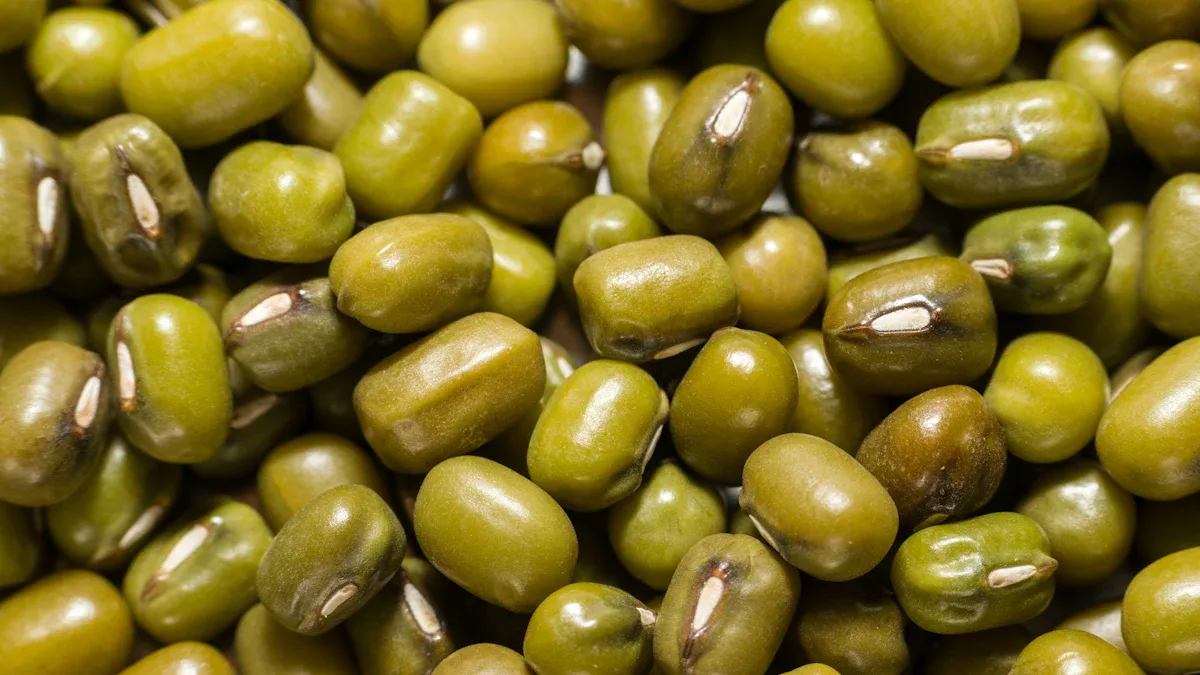
Whole grains and legumes are powerful high fiber foods. They are excellent choices to help you curb hunger. You can choose from many options. Wild rice, oats, and quinoa are great examples of whole grains. Legumes include pulses like lentils, chickpeas, and beans. These foods add bulk to your meals. This helps you feel full.
Oatmeal is particularly high in fiber compared to many other grains. For instance, 100 grams of oats contain 12.1 grams of fiber. Quinoa is also a good source of fiber, with 2.7 grams per 100 grams. Oats contain more than four times the fiber of quinoa.
Legumes do more than just provide fiber. They also offer a lot of protein. Protein helps you feel full because your body uses more energy to digest it. This process can increase your body temperature and oxygen use. Protein also boosts hormones that tell your brain you are full. These hormones improve the signals between your gut and brain. The fiber and protein in legumes work together. They make you feel more satisfied after eating. This combined effect helps you control your appetite.
Fruits and Vegetables
Fruits and vegetables are fantastic high-volume foods. They are packed with water and fiber. These two things are key to making you feel full. Fruits have fiber and a low-calorie count. Vegetables are rich in both fiber and water. Whole fruits are better for fullness than fruit juice. This is because whole fruits keep their fiber.
Eating more fiber-rich foods, especially vegetables and fruits, can help you lose weight. This is because they make you feel full with fewer calories. When you eat these foods, your stomach expands. This expansion triggers hormones that promote satiety. This means you eat less overall. High fiber diets slow down digestion. This prolonged digestion gives you a lasting sense of fullness. It reduces the chance of overeating. Consider adding asparagus to your meals. You can also enjoy a variety of fruits and vegetable salads. These choices help you manage your hunger.
Nuts and Seeds
Nuts and seeds are another group of foods that help you feel full. They contain both fiber and healthy fats. These components work together to provide lasting satisfaction. Almonds are a good example. A one-ounce serving of almonds gives you 3.5 grams of fiber. It also provides 14 grams of fat, with 9 grams being monounsaturated fat.
Chia seeds are also excellent. They have a very high fiber content. Commercial chia seeds can contain about 37.7 grams of fiber per 100 grams. This is much higher than what some databases list. The fiber and healthy fats in nuts and seeds slow down digestion. This keeps you feeling full for a longer time. They are great for smart snacking and can help you manage your appetite between meals.
Protein Foods for Satiety

Protein is a powerful nutrient for controlling your appetite. It helps you feel full and satisfied. When you eat protein, your body releases hormones that signal fullness to your brain. This helps you consume fewer calories overall. Protein also takes longer to digest than carbohydrates or fats. This means you feel full for a longer time after eating protein rich foods.
Protein influences your hunger in several ways. It slows down digestion, keeping your stomach full for longer. This reduces snacking between meals. Protein also affects hunger hormones. It decreases ghrelin, which is your “hunger hormone.” At the same time, protein boosts satiety hormones like PYY and GLP-1. These hormones slow down how quickly food leaves your stomach. Protein also has a higher thermic effect of food (TEF). This means your body burns more calories digesting protein than other macronutrients. About 20-30% of protein’s calories are used just for digestion.
When you eat protein, the amino acids in your blood increase. These amino acids tell your brain you are full. High protein foods send signals to your brain’s satiety centers, helping to curb hunger. This process helps you manage your appetite effectively.
Lean Animal Proteins
Lean animal proteins are excellent choices for satiety. They provide a lot of protein without excessive fat. Examples include lean meat, fish, poultry, and eggs. These foods help you feel full and can support weight loss.
Consider chicken breast. A 3.5-ounce (100-gram) serving of skinless chicken breast offers 25-31 grams of protein. Salmon provides about 20-25 grams of protein per 3.5-ounce serving. Both are great sources of lean protein.
Salmon and chicken provide “pretty much the same” amount of protein, with about 20 grams per serving for salmon, chicken breast, or dark meat chicken.
Eating lean protein helps reduce ghrelin levels. Ghrelin is the hormone that makes you feel hungry. Studies show that protein intake suppresses ghrelin, especially right after you eat. This means you feel less hungry after a high-protein meal. Researchers suggest consuming 1.2-1.6 grams of protein per kilogram of body weight daily. This amount, or 25–30% of your daily calories, can help you manage your weight and reduce appetite.
Many lean protein foods have high satiety scores. This means they make you feel very full. Look at this chart to see how different protein sources rank:
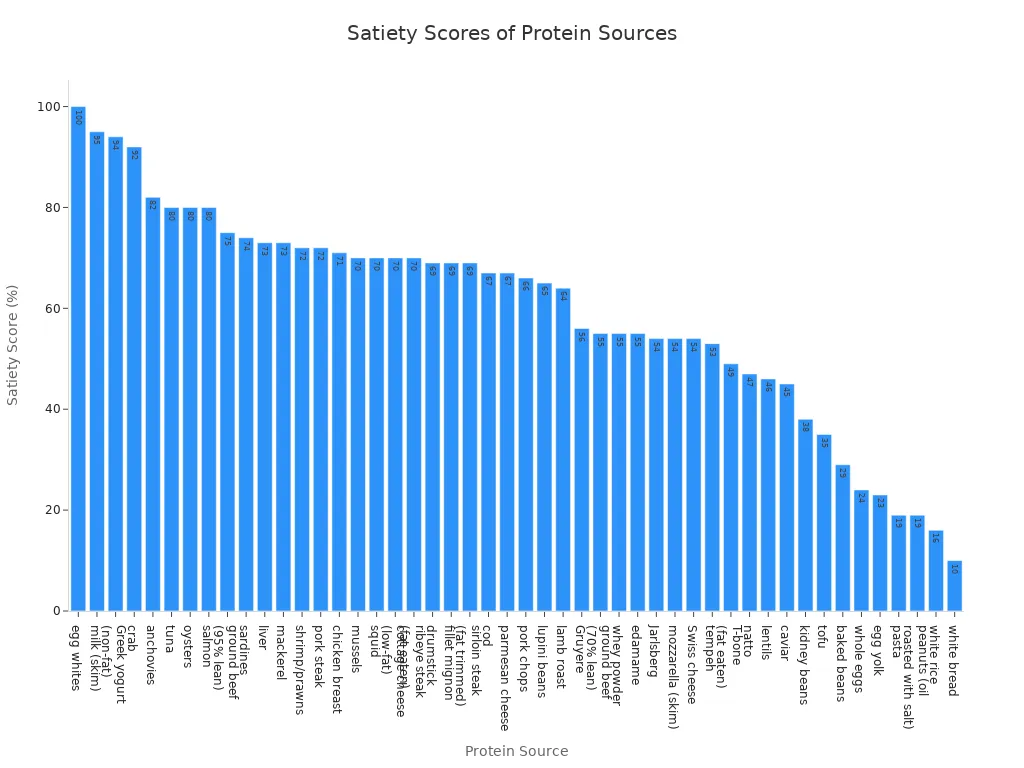
Egg whites, skim milk, and Greek yogurt (non-fat) have some of the highest satiety scores. Seafood like crab, anchovies, and tuna also rank very high. These foods are excellent for helping you curb hunger.
Plant-Based Proteins
You can also find plenty of protein in plant-based foods. These options are great for those who prefer not to eat animal products. Plant-based proteins like soybeans, lentils, and tofu help you feel full. They also offer fiber, which further boosts satiety.
Soybeans are a complete protein. This means they contain all the essential amino acids your body needs. Tofu, made from soybeans, provides about 8 grams of protein per 100-gram serving. Lentils offer about 9 grams of protein per 100-gram serving. These protein rich foods are versatile. You can add them to many dishes.
Other plant-based proteins also offer complete amino acid profiles. Baru almonds and pequi, a non-traditional almond, are good examples. These foods help you meet your protein needs. They also contribute to feelings of fullness. Incorporating these plant-based foods into your diet helps you manage your hunger. You can enjoy a variety of delicious meals while supporting your weight loss goals.
Water and Healthy Fats
Hydrating Foods
Water helps you feel full. It adds volume to your stomach. This sends signals to your brain. You feel satisfied. Drinking water before a meal can help you eat less food. Studies show people who drank water before eating consumed less food. Water consumption after a meal also significantly increased feelings of fullness. Sometimes, you might confuse thirst with hunger. Staying hydrated helps you avoid this. Water and fiber work together. They slow down digestion. This keeps you feeling full for longer.
Many foods contain a lot of water. These are called high-volume foods. They help you feel full with fewer calories. Fruits and vegetables are great examples. Look at these examples of fruits and vegetables with high water content:
Fruit/Vegetable | Water Content |
|---|---|
Iceberg Lettuce | 96% |
Radishes | 95% |
Watercress | 95% |
Zucchini | 94% |
Romaine Lettuce | 94% |
Portobello mushrooms | 93% |
Okra | 93% |
Strawberry | 92% |
Broccoli | 92% |
Bell pepper | 92% |
Spinach | 91% |
Kale | 90% |
Kiwi | 90% |
Peach | 89% |
Orange | 88% |
Grapefruit | 88% |
Carrot | 88% |
Pineapple | 86% |
Apple | 84% |
Grapes | 81% |
Water-rich foods have lower caloric density. This means they provide fewer calories for their weight. You can eat more of these foods. You feel full without consuming too many calories. Clinical trials show that eating more water-rich foods, like fruits and vegetables, can lead to weight loss. People in these studies ate more food by volume. They felt less hunger. They still lost more weight than those on restrictive diets. You can add a refreshing salad to your meal. Or enjoy a warm soup. These choices help manage your appetite.
Beneficial Fats
Healthy fats are important for lasting satisfaction. They slow down digestion. This keeps food in your stomach longer. When fat enters your small intestine, it slows down gastric emptying. This process releases gastrointestinal hormones. These hormones suppress your appetite. Adding fats to carbohydrate foods can delay stomach emptying. This helps reduce blood sugar spikes. It also increases satiety. Not all fats work the same way. Saturated fat does not decrease gastric emptying times. Medium Chain Triglycerides (MCTs) can even speed it up.
Avocados and olive oil are great sources of healthy fats. You can add them to your meals. Healthy fats also help your body absorb important nutrients. They are essential for absorbing fat-soluble vitamins. These include vitamins A, D, E, and K. Without enough fat, your body cannot properly use these vital vitamins. Dr. Goldman states that these vitamins absorb best with healthy fats. So, eating healthy fats with vitamin-rich foods maximizes their benefits. This helps you curb hunger. It also supports your overall eating.
Using Appetite Suppressants Daily
You can effectively incorporate natural appetite suppressants into your daily life. This helps you manage your appetite and reach your health goals. Focus on mindful eating and smart meal planning. These practices help you stay full and satisfied.
Mindful Eating Practices
Mindful eating helps you become more aware of your body’s signals. It teaches you to recognize your hunger and fullness cues. This improved awareness helps you respond better to these signals. You learn to distinguish between true physical hunger and emotional cues to eat. This practice leads to a renewed sense of hunger and fullness. It also helps prevent overeating. You can assess your hunger before consuming snacks or meals. This helps break cycles of overeating and binge eating. Pay attention to the taste and satisfaction of your foods. This can disrupt the tendency to overeat foods high in fat and sugar. Mindful eating helps you manage your appetite naturally.
Meal Planning Tips
Strategic meal planning is key to using these beneficial foods. Prepare meals in advance. Focus on high-fiber foods, lean proteins, and healthy fats. This ensures you get enough nutrients. It also minimizes unhealthy snacking. Set specific meal and snack times. This helps regulate your hunger signals. It also promotes mindful eating.
You should drink enough water. This prevents you from confusing thirst with hunger. Consuming water before meals can increase satiety. It also helps reduce calorie intake. Incorporate water-rich foods like cucumbers and watermelon to boost hydration. Plan balanced meals and snacks. This prevents blood sugar crashes that trigger intense hunger. Avoid skipping meals to prevent overeating later. Keep healthy snacks ready. An apple with almond butter or Greek yogurt with berries works well. These combinations provide sustained energy. They effectively curb hunger.
Focus on variety and moderation in your diet. Include high-fiber foods, beneficial herbs, and essential micronutrients. Combine protein, carbohydrates, and fats in good ratios. This helps manage hunger, supports metabolism, and promotes overall health. Aim for 30-40 grams of protein or more per meal. This has the highest satiating effect per calorie. It aids in appetite control and meal-to-meal fullness. Eating at similar times daily helps regulate hunger hormones. This contributes to long-term fullness. It also benefits metabolic health. These strategies support your weight loss journey.
You can achieve sustained fullness and overall well-being with food-based natural appetite suppressants. These powerful foods, rich in fiber, protein, water, and healthy fats, effectively manage your appetite. Fiber and protein help you feel full. Water adds volume. Healthy fats slow digestion. Experiment with these natural appetite suppressants to find what best suits your eating habits. Make sustainable eating choices for long-term success in managing your appetite.
FAQ
What are natural appetite suppressants?
Natural appetite suppressants are foods that help you feel full. They reduce your desire for more food. These foods work by providing fiber, protein, water, or healthy fats. They support your body’s natural signals for fullness.
What types of fiber help you feel full?
Both soluble and insoluble fiber contribute to fullness. Soluble fiber forms a gel in your stomach. This slows digestion. Insoluble fiber adds bulk. It helps food move through your system. Both types make you feel satisfied after eating.
What makes protein so good for satiety?
Protein triggers hormones that tell your brain you are full. It also takes longer to digest. This keeps your stomach feeling full for a longer time. This process helps you control your overall food intake. It reduces the urge for more eating.
What are some examples of hydrating foods?
Many fruits and vegetables are hydrating foods. Iceberg lettuce, radishes, and watercress have very high water content. Strawberries, broccoli, and bell peppers also contain a lot of water. These foods help you feel full without adding many calories. They support healthy eating habits.