Do you often feel bloated, gassy, or experience heartburn after meals? You are not alone; many people face these common digestive issues regularly. Over 60% of individuals report at least one gastrointestinal symptom weekly, and some even struggle with chronic digestive issues. Your diet plays a crucial role.
Food combining is a popular eating method. It aims to ease digestion and support weight loss by strategically pairing foods. Certain food combinations can hinder your digestion, while others enhance it for better overall health. This guide unveils 10 practical food combining rules. We present them as a clear food combining chart for improved digestive health.
Key Takeaways
Food combining helps your body digest food better. It pairs foods based on how your body breaks them down.
Different foods need different conditions to digest. Mixing them wrong can cause gas and bloating.
Eat fruits alone because they digest fast. Combine proteins with non-starchy vegetables, and starches with non-starchy vegetables.
Avoid eating proteins and starches together. Also, do not mix sugars with proteins or starches.
Listen to your body and make changes slowly. This helps you find the best food combinations for your health.
What is Food Combining?
Understanding the Concept
Food combining is a way of eating. You pair foods based on how your body digests them. The main idea is that different foods need different digestive environments. Some foods digest quickly, others slowly. Mixing them incorrectly can cause problems. This practice is not new. Its roots go back to ancient Indian Ayurvedic medicine. This holistic healing system looked at how foods combine for optimal digestion. Later, in the 1920s, Dr. William Howard Hay developed the Hay Diet. He adapted these old ideas. He offered strict guidelines for food combining. The goal of food combining is to make digestion easier. This can help you feel better after eating.
Why Food Combining Matters
Your body uses specific enzymes to break down different foods. When you mix foods that need very different enzymes, your digestive system can struggle. For example, some food combinations can create “antagonistic interactions.” This means they work against each other. Eating nuts with fruits might lower the total antioxidants you get. Also, certain plant compounds can slow down digestion. They can make nutrients build up in your gut. This can trigger gut movement and slow food transit.
Sometimes, harmful food components can trigger inflammation in your gut. Your body’s defense mechanisms include stomach acid. This acid breaks down food and neutralizes bad things. If food is not digested well, your body might try to get rid of it quickly. This can lead to discomfort like bloating or gas. By following a food combining diet, you aim to support your digestive system. This can lead to better nutrient absorption and improved overall nutrition. It can also help with weight management.
Key Food Categories
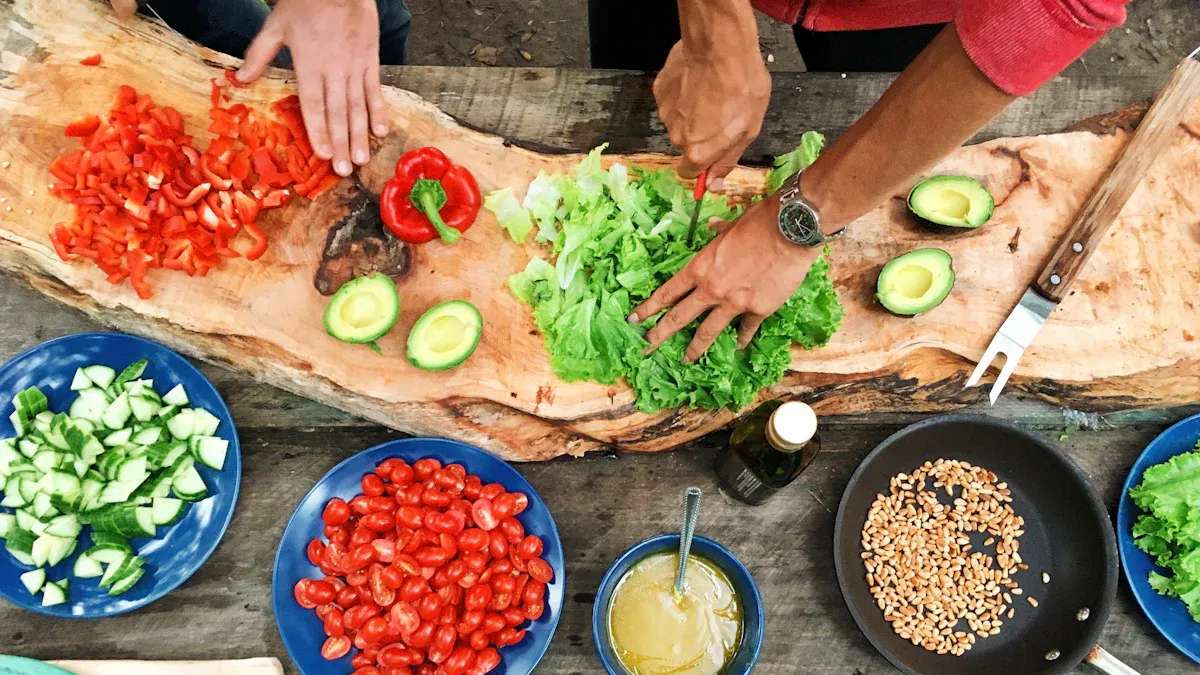
Understanding how your body processes different foods helps you make better choices. Each food group has unique digestive needs.
Proteins and Digestion
Proteins are complex molecules. Your body needs strong acids to break them down. Pepsin is a key enzyme in your stomach. It works with gastric juices in a very acidic environment. This acid helps break down proteins. Your stomach maintains a pH of about 1.5-2 for this process. Food combining theories suggest proteins need this acidic environment for proper digestion.
Carbohydrates and Digestion
Carbohydrates, like starches and sugars, digest differently. They generally need a more alkaline environment. Your body manages these pH levels. When food leaves your stomach, your pancreas releases an alkaline solution. This solution neutralizes stomach acid. It then activates enzymes for further digestion of carbs, proteins, and fats in your small intestine.
Fruits and Their Unique Needs
Fruits digest very quickly. They contain natural sugars and water. Many fruits also have their own digestive enzymes.
Fruit | Enzyme(s) | Function |
|---|---|---|
Papaya | Papain, Proteases | Breaks down proteins into amino acids |
Mango | Amylases | Breaks down starches into sugars |
Banana | Amylases, Glucosidases | Breaks down complex carbs into sugars |
Avocado | Lipase | Digests fat molecules into fatty acids |
Kiwifruit | Proteases | Speeds up the breakdown of proteins |
Pineapple | Proteases | Speeds up the breakdown of proteins |
These enzymes help your body process fruits efficiently. This quick digestion is why food combining often suggests eating fruits alone.
Fats and Vegetables
Fats slow down digestion. They require bile from your liver and lipase enzymes. Vegetables, especially non-starchy ones, are easy to digest. They provide fiber and many nutrients. They generally combine well with most other food groups. This makes them versatile in healthy eating and good nutrition.
10 Essential Food Combining Rules
10 Essential Food Combining Rules
This section explains 10 key food combining rules in a clear and practical way. Each rule includes simple explanations and examples of good and bad combinations to help you understand how to support better digestion.
Rule 1: Eat Fruit Alone or Before Meals
Fruit digests very quickly-usually within about 30 minutes. Eating it with heavier foods like proteins or starches may cause fermentation, which can lead to bloating or poor digestion.
- Proper: A bowl of berries for breakfast; an apple as a snack
- Improper: Fruit after a heavy meal; fruit mixed with oatmeal and nuts
Note: Eating fruit on an empty stomach may spike blood sugar quickly for some people.
Rule 2: Combine Proteins with Non-Starchy Vegetables
Proteins digest best in an acidic environment. Non-starchy vegetables support digestion without interfering.
Good vegetables include: greens, lettuce, broccoli, celery, mushrooms, onions, garlic, radishes, sprouts, zucchini
- Proper: Grilled chicken with broccoli; fish with asparagus
- Improper: Steak with potatoes; chicken with rice
Rule 3: Combine Starches with Non-Starchy Vegetables
Starches digest better in a more alkaline environment. Non-starchy vegetables pair well without causing digestive issues.
- Proper: Baked potato with salad; rice with sautéed vegetables
- Improper: Pasta with meat; bread with cheese
Rule 4: Avoid Mixing Proteins and Starches
Proteins need acidic conditions, while starches need alkaline conditions. Mixing them may slow digestion and cause discomfort.
- Proper: Eat either a protein-based meal or a starch-based meal
- Improper: Meat sandwich (protein + bread); chicken with pasta
Rule 5: One Concentrated Protein per Meal
Only eat one type of protein (like meat, fish, or eggs) at a time. Mixing multiple proteins may make digestion harder.
- Proper: A meal with chicken only
- Improper: Steak and eggs; chicken and fish together
Rule 6: Eat Melons Alone
Melons digest extremely fast and have high water content. Eating them with other foods may cause bloating.
- Proper: Watermelon as a snack; melon for breakfast
- Improper: Melon in fruit salad; melon after a meal
Rule 7: Eat Dairy Separately
Dairy contains protein, fat, and sugar, which digest at different rates. Combining dairy with other foods may cause discomfort.
- Proper: Milk or yogurt alone
- Improper: Milk with cereal; cheese in sandwiches
Rule 8: Avoid Sugar with Proteins or Starches
Sugar digests quickly, while proteins and starches digest slowly. Mixing them may lead to fermentation and gas.
- Proper: Eat sweets or fruit separately
- Improper: Dessert after meals; sugary drinks with meals
Rule 9: Drink Water Between Meals
Drinking large amounts of water during meals may dilute digestive juices and slow digestion.
- Proper: Drink water 30 minutes before or 1 hour after meals
- Improper: Drinking lots of water during meals
Rule 10: Practice Mindful Eating
Everyone’s body is different. Pay attention to how foods affect you and adjust accordingly.
- Proper: Notice how you feel after eating; adjust your diet
- Improper: Ignoring discomfort like bloating or gas
These rules are general guidelines-not strict laws. The most important thing is to observe how your body responds and choose what works best for you.
Applying Food Combining Rules
You can easily apply food combining principles to your daily meals. This helps you improve your digestion. Focus on creating simple, balanced plates.
Creating Healthy Food Combinations
You can make many healthy food combinations for better digestion. For breakfast, try a mono meal of fruit. This could be just watermelon or mangoes. You can also have a smoothie. Blend leafy greens, mango, banana, and coconut water. Another option is a smoothie with leafy greens, avocado, berries, and water. These are positive food combinations. For lunch, consider a salad. Use mixed greens, tomatoes, and avocado. Dress it with mustard and apple cider vinegar. A quinoa salad with raw or cooked veggies and a tahini-lemon juice dressing also works well. For dinner, an arugula salad with raw or cooked veggies is good. Top it with a baked sweet potato and avocado. Brown rice with cooked vegetables is another excellent choice. These examples show how to build a food combining meal plan.
Common Combinations to Avoid
Certain improper food combinations can hinder your digestion. Avoid eating fruit with or after a meal. For example, do not put strawberries on salad or have fruit for dessert. Fruit digests quickly. When you combine it with slower-digesting foods like meat or grains, it can ferment in your stomach. This causes gas and bloating. You should also avoid animal protein plus starch. Examples include meat and potatoes, chicken and pasta, or a turkey sandwich. Different digestive juices are needed for protein and carbohydrates. They can cancel each other out. This leads to fermentation and gas. Also, avoid two concentrated sources of protein in one meal. Bacon and eggs or nuts and yogurt are examples. These take a long time to break down. They can tax your digestive system.
Simple Meal Planning Tips
You can simplify your food combining meal plan. Choose one main food category per meal. This could be animal protein, starches, or nuts/seeds/dried fruit. Fill the rest of your plate with raw or cooked non-starchy vegetables. Think of a green salad or roasted cauliflower. Eat fresh fruit on an empty stomach, usually in the morning. Fruit digests quickly. Wait 3-4 hours between meals before switching to a different food category. This gives your body time to digest properly. A food combining diet emphasizes whole foods. Processed foods often mix many categories. This makes it harder to keep food types separate. You do not need to count calories or carbs. This simplifies your eating plan.
Benefits of Food Combining
Food combining offers many advantages for your body. You can experience significant improvements in your overall well-being. This approach helps your digestive system work more efficiently.
Improved Digestion and Reduced Bloating
When you combine foods correctly, your body processes them with less effort. This leads to smoother digestion. You avoid the common discomforts of bloating and heaviness after meals. Proper food combining prevents food from sitting too long in your stomach. This reduces fermentation and gas. You feel lighter and more comfortable throughout the day.
Preventing Heartburn and Gas
Improper food combinations often cause heartburn and gas. When your digestive system struggles, it can produce excess acid or gas. By following food combining rules, you help your stomach maintain its optimal pH balance. This prevents acid reflux and reduces gas production. You experience fewer digestive issues.
Enhanced Nutrient Absorption
Food combining theoretically enhances nutrient absorption. Certain food pairings can boost each other’s absorption. When your digestive system breaks down specific foods together, your body absorbs their nutrients more efficiently. For example, vitamin C helps your body absorb non-heme iron. Piperine in black pepper can increase curcumin’s bioavailability by 2,000%. This means you get more nutritional value from the food you eat.
Increased Energy and Metabolism
When your body does not struggle with digestion, it saves energy. This saved energy can then fuel your metabolism. You feel more energetic and less sluggish after meals. Efficient digestion means your body uses nutrients effectively. This supports a healthy metabolism and can aid in weight management. You experience better overall health.
Supporting Healthy Bowel Function
Food combining promotes regular and healthy bowel movements. When food digests properly, it moves through your digestive system smoothly. This prevents constipation and other chronic digestive issues. A well-functioning digestive system is crucial for your overall health and weight management goals. You support your body’s natural cleansing processes.
Food Combining: The Scientific View
Arguments for the Practice
Proponents of food combining believe it offers many benefits. They suggest you can improve your digestion and reduce unpleasant symptoms. This method aims to limit harmful putrefaction of foods in your stomach. You may also experience increased energy and focus. Your body uses less energy for digestion. This leaves more energy for other functions. Adherents also believe food combining helps with rapid weight loss. They say it prevents disease-causing toxins from forming. The theory states different foods absorb at different rates. Combining certain foods can complicate your digestion. Gastric enzymes need specific pH environments. Combining foods that affect acidity differently can hinder proper absorption. This approach aims to lessen strain on your digestive system. You consume only a few foods at a time. This leads to quicker digestion. It also promotes better enzyme function.
Current Scientific Evidence
You might wonder about scientific proof for food combining. Scientific studies or clinical trials have not investigated its efficacy for digestion or health outcomes. The concept of food combining is categorized as pseudoscience. No supporting research validates its claims. You will not find scientific evidence to back these specific rules.
Personal Experience and Anecdotal Support
Despite the lack of scientific studies, many people report positive experiences. Megan Gilmore, a cookbook author, adopted food combining. She felt better and had less bloating within three days. She noted, “My stomach was flatter and less bloated. It was such a relief.” Gilmore also observed that food combining encourages healthier food choices. It promotes a diverse diet without feeling restrictive. She believes this contributes to its effectiveness for her and others. Another person, Sherwood Minor, appreciated the emphasis on vegetables with protein. He also liked the practical ideas for incorporating fruits. These personal stories highlight how some individuals find benefit in this approach for their health.
Integrating Food Combining
Starting Your Journey Slowly
You can integrate food combining into your daily life. Start slowly and gently. This allows your body time to adapt. First, notice any improper food combinations you regularly eat. See how they affect you. When you feel ready, make one change at a time. For example, try eating fruits alone. Then, gradually move towards ideal combinations. Focus on reducing problematic ones. Listen to your body. Progress at a pace that works for you. Each person is unique. You can start with foods that aid digestion. Combine them with similar items. Or, eat them alone before other foods. Supportive spices also help. Add cinnamon to yogurt or basil to pizza.
Practical Tips for Daily Meals
You can easily apply food combining rules to your meals. For a properly combined meal, choose one food category. This could be starch, animal protein, nuts/seeds/dried fruit, or fresh fruit. Eat only foods from that category. You can also add items from a ‘Neutral’ column. Allow 3-4 hours between meals. This lets you switch to a different food category.
Starch Meal Examples: Make a veggie sandwich. Use whole-grain bread with avocado, mustard, lettuce, tomato, and sprouts. Serve it with a leafy side salad. You can also have a baked sweet potato with butter.
Animal Protein Meal Examples: Bake chicken breasts or salmon. Serve them over a large leafy green salad. Roasted cauliflower or broccoli also works well.
Nut, Seed + Dried Fruit Examples: Enjoy a large leafy green salad. Add dried cranberries, raw walnuts, and other non-starchy vegetables.
Do not strive for perfection. Occasional improper food combinations are fine. Cooking certain combinations can make them more compatible. If you anticipate an improper combination, use a digestive aid. Consider an Agni Elixir or a DIY Ginger Appetizer. Digestive spices also help. Add them to your meals.
Addressing Cold Foods and Digestion
Traditional Chinese Medicine (TCM) views digestion as an internal ‘cooking’ process. It needs warmth and energy. Cold or raw foods make your digestive system work harder. Difficult-to-digest foods can lead to issues. These include bloating, fatigue, or loose stools. Raw foods are cooling. They can be good for people with excess ‘Heat’ or in hot weather. However, they challenge those with weak digestive fire. If you have a ‘Cold constitution’, raw foods can worsen digestion. You might feel more bloated or cold. Excessive cold foods weaken digestive fire. This leads to sluggish digestion, low energy, and a weaker immune system. Cooked foods are generally better. They are easier to digest. They support your body’s internal warmth. This promotes strong digestion and smooth energy flow.
Adopting food combining rules can significantly improve your digestion, energy, and overall health. This food combining chart offers a practical guide for making conscious dietary choices. You can use these food combining rules to enhance your well-being. Experiment with these principles. It is a journey of self-discovery. Listen to your body for optimal health. Embrace these healthy food combinations for a more comfortable and vibrant life.