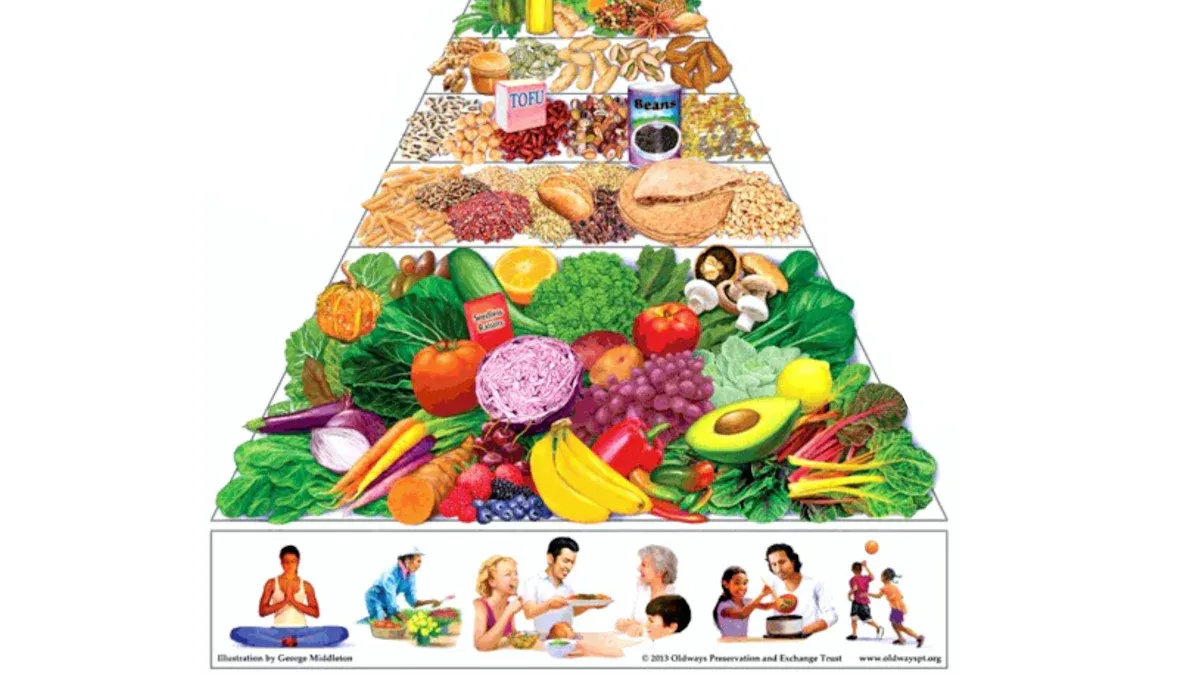
The food pyramid chart serves as a foundational visual guide for healthy eating. It simplifies complex nutrition guidelines into actionable food servings for a balanced diet. This approach helps you achieve optimal health and prevent disease. A healthy diet protects you from malnutrition and helps prevent noncommunicable diseases like diabetes and heart disease. Aim for 15 simple daily servings. This empowers you to achieve daily nutritional balance in your diet.
Key Takeaways
Understand serving sizes to control how much food you eat. This helps you manage your daily calories and avoid eating too much.
Use the MyPlate guide to balance your meals. Fill half your plate with fruits and vegetables, and the other half with grains and protein.
Eat a variety of foods from all groups: vegetables, fruits, grains, dairy, and protein. This gives your body all the nutrients it needs.
Choose whole grains and lean proteins more often. These foods provide important fiber and nutrients for your body.
Plan your meals and shop smart to make healthy eating easier. Drink plenty of water to keep your body working well.
Understanding Food Serving Sizes
Defining a Serving Size
You need to understand serving sizes. A serving size is a specific amount of food. It helps you know how much to eat. National dietary guidelines define serving sizes. The FDA states serving sizes reflect what people typically consume. They do not show how much you should eat. A serving size is a standard unit. It helps you control your food intake.
Importance of Serving Sizes
Understanding serving sizes is very important. It helps you manage your daily calorie intake. This prevents you from eating too much. Eating too much can lead to weight gain. Studies show larger portion sizes make you eat more. For example, a 50% increase in portions can increase your daily energy intake by 16%. Restaurants often serve large portions. People eat more without realizing it. Controlling your intake helps you lower calories. This is key for weight management.
Visualizing Serving Sizes
You can estimate serving sizes easily. You do not always need measuring tools. Use your hand as a guide. Your palm can show a protein serving. A piece of cooked protein the size of your palm is about 3-4 ounces. Your closed fist can estimate one cup. This works for pasta, rice, or vegetables. A cupped hand holds about a half-cup. Use this for nuts or berries. The tip of your thumb estimates one tablespoon. This is good for peanut butter or olive oil. These visual cues help you make smart choices about your food.
The Food Pyramid: Your Daily Guide
Structure of the Food Pyramid
The food pyramid chart serves as your visual guide for healthy eating. It helps you understand how to build a balanced diet. The traditional food pyramid showed foods in layers. It suggested you eat more from the bottom layers and less from the top. However, the USDA updated this guide. In June 2011, they rolled out MyPlate. MyPlate replaced the old food pyramid. It offers a clearer, plate-based visual. MyPlate divides your plate into four main sections. These sections are fruits, vegetables, grains, and protein. Fruits and vegetables together fill half of your plate. Grains and protein make up the other half. Vegetables and grains are the largest portions among the four. A small circle next to the plate represents dairy. This could be a glass of milk or a cup of yogurt. This structure helps you visualize proper portion sizes for each food group.
Balancing Your Daily Intake
MyPlate helps you balance your daily food intake. It shows you the right proportions for each meal. You should aim to fill half your plate with fruits and vegetables. This ensures you get enough vitamins and minerals. The other half should contain grains and protein. Grains provide energy. Protein helps build and repair your body. Including dairy gives you calcium for strong bones. Following this guide helps you achieve good nutrition. It simplifies complex dietary advice. You make healthier choices when you see your plate balanced. This approach supports your overall health and well-being. It makes healthy eating a simple part of your daily routine.
Vegetables: Food Pyramid Foundation
Daily Vegetable Servings
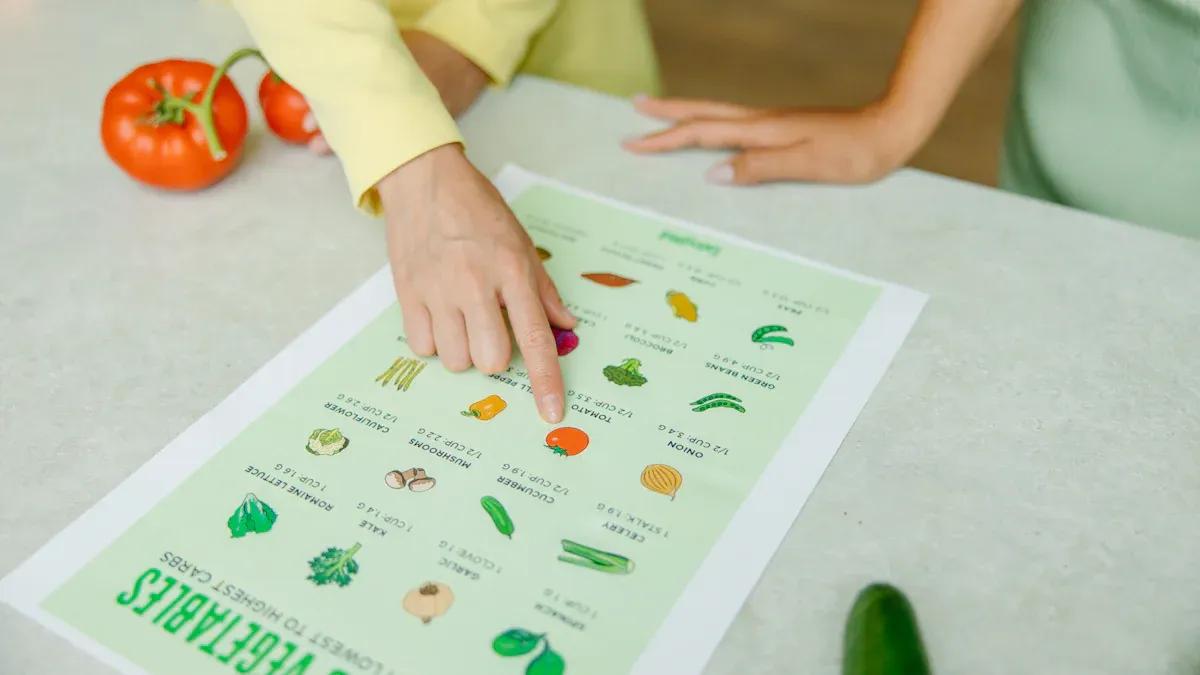
Vegetables form a crucial part of your daily food intake. They provide essential vitamins, minerals, and fiber. You need these for good nutrition and overall health. The American Heart Association recommends you eat 2½ cups of vegetables daily. This recommendation is for adults following a 2,000-calorie diet. Your specific needs may vary based on your age, sex, and activity level. For example, younger children and older adults might need slightly less. Teenagers and very active adults might need more. Aim to make vegetables a large part of your meals.
Vegetable Serving Examples
Understanding serving sizes helps you meet your daily goals. One serving of vegetables can look different depending on the type. For instance, one cup of cut-up raw or cooked vegetables counts as one serving. This includes items like carrots, broccoli, or bell peppers. Two cups of raw leafy greens, such as spinach or lettuce, also count as one serving. A medium carrot or a large ear of corn can also be a single serving. You can also count ½ cup of cooked beans or peas as a vegetable serving.
Choosing Healthy Vegetables
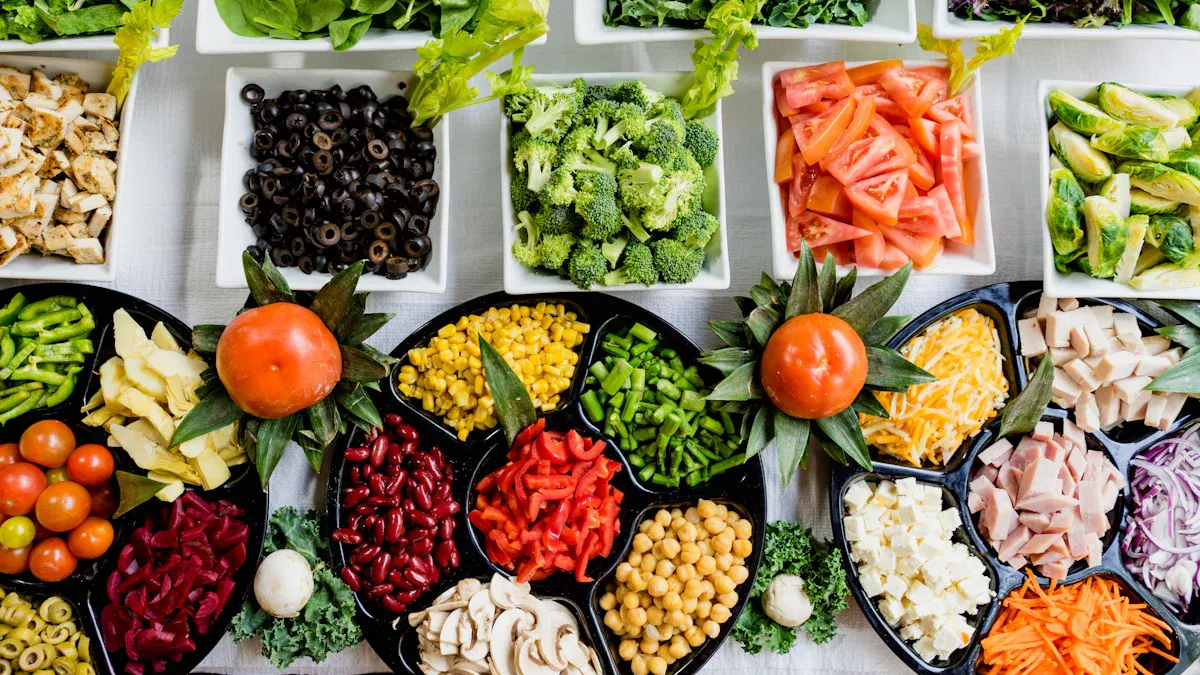
You should choose a variety of vegetables. Different colors offer different nutrients. Think about eating a rainbow of vegetables each day. Dark leafy greens like spinach and watercress are excellent choices. Watercress is high in vitamin K and antioxidants. Spinach is rich in iron and vitamins A and C.
Other great options include broccoli, carrots, and bell peppers. Broccoli provides antioxidants and fiber. Carrots are full of vitamin A, good for your eyes. You can choose fresh, frozen, or canned vegetables. Frozen vegetables are often just as nutritious as fresh ones. They are picked at their peak ripeness and then flash-frozen. When buying canned vegetables, look for “low sodium” or “no salt added” options. This helps you manage your salt intake. Making vegetables a foundation of your diet helps you follow the food pyramid chart guidelines.
Fruits: Essential Daily Servings
Daily Fruit Servings
Fruits are a vital part of your daily food intake. They give you important vitamins, minerals, and fiber. You should aim for 2 cups of fruit each day. This recommendation is a daily goal. It is based on an eating pattern of 2,000 calories per day. Your specific needs might change. Factors like your age, sex, and activity level can affect how much fruit you need. Making fruit a regular part of your diet helps you get good nutrition.
Fruit Serving Examples
Understanding what counts as one serving helps you meet your daily goals. One medium fruit is about the size of your fist. This counts as one serving. You can also have 1 cup of fresh, frozen, or canned fruit. Half a cup of dried fruit is another option for one serving. Remember, half a cup of 100% fruit juice also counts. However, choosing whole fruit is often better. Whole fruit provides more fiber.
Choosing Healthy Fruits
You should choose a variety of fruits. Different colors offer different nutrients. Berries are excellent choices. They have many antioxidants. Wild blueberries are especially high in antioxidants. They contain vitamins A and C. Strawberries give you vitamin C. They also support heart health. Lemons provide vitamin C, folate, and beneficial compounds. Oranges are packed with vitamin C and B vitamins. Cranberries, blackberries, and apples are also rich in vitamins and antioxidants. Eating a colorful mix of fruit helps you get a wide range of benefits.
Grains: Energy for Your Day
Daily Grain Servings
You need grains for energy. Grains provide fuel for your body. The amount of grains you need changes with your age and activity level. For example, toddlers need 1¾ to 3 ounce-equivalents daily. Boys aged 14-18 might need 6 to 10 ounce-equivalents. You should aim for at least half of your grain servings to be whole grains.
Here is a guide for daily grain intake:
Age/Gender Group | Total Grains (oz-equiv) | Whole Grains (oz-equiv) |
|---|---|---|
Toddlers (12-23 months) | 1¾ to 3 | 1½ to 2 |
Children (2-3 yrs) | 3 to 5 | 1½ to 3 |
Children (4-8 yrs) | 4 to 6 | 2 to 3 |
Girls (9-13 yrs) | 5 to 7 | 2½ to 3½ |
Girls (14-18 yrs) | 6 to 8 | 3 to 4 |
Boys (9-13 yrs) | 5 to 9 | 3 to 4½ |
Boys (14-18 yrs) | 6 to 10 | 3 to 5 |
Women (19-30 yrs) | 6 to 8 | 3 to 4 |
Women (31-59 yrs) | 5 to 7 | 3 to 3½ |
Women (60+ yrs) | 5 to 7 | 3 to 3½ |
Men (19-30 yrs) | 8 to 10 | 4 to 5 |
Men (31-59 yrs) | 7 to 10 | 3½ to 5 |
Men (60+ yrs) | 6 to 9 | 3 to 4½ |
Many countries have similar guidelines. For instance, Australia recommends 6 servings for adults aged 19-50. Oman suggests 2-3 servings of whole grains daily. The Netherlands advises 4-7 slices of whole grain bread. Singapore recommends 2-3 whole-grain servings out of 5-7 total grain servings.
Grain Serving Examples
You can easily measure grain servings. One ounce-equivalent of grains looks like this:
½ cup cooked barley, pasta, or rice
1 slice of regular bread
1 small biscuit
½ English muffin
1 small muffin
5 whole wheat crackers
3 cups popped popcorn
1 cup flakes of ready-to-eat breakfast cereal
Prioritizing Whole Grains
You should choose whole grains more often. Whole grains contain the bran, germ, and endosperm. Refined grains only have the endosperm. This difference matters for your nutrition.
Feature | Whole Grains | Refined Grains |
|---|---|---|
Composition | Contain the entire grain kernel: bran, germ, and endosperm. | Processed to remove the bran and germ, leaving only the endosperm. |
Nutritional Value | Rich in fiber, vitamins, minerals, and antioxidants. | Lower in fiber; may be enriched with iron and B vitamins, but still less fiber than whole grains. |
Digestion | Fiber adds bulk to stool, promoting regular bowel movements and a healthy gut microbiome. | Digested quickly, which can lead to blood sugar spikes. Lack the fiber for effective digestion. |
Whole grains offer many essential nutrients. These include:
Thiamin (vitamin B1)
Riboflavin (vitamin B2)
Niacin (vitamin B3)
Folate (vitamin B9)
Iron
Selenium
Magnesium
Other vitamins, minerals, and antioxidants like vitamin E and potassium.
Whole grains also provide dietary fiber. This fiber helps your digestion. Refined grains often lack these important nutrients. They have little to no fiber. Choosing whole grains helps you get more benefits for your body. This is a key part of a balanced food plan.
Dairy: Bone Health & Nutrients
Daily Dairy Servings
Dairy products are very important for your bones. They give you essential nutrients. The 2010 Dietary Guidelines for Americans Advisory Committee recommends you consume 3 cups of low-fat milk and milk products daily. This guideline helps you get enough calcium. Dairy has always been a key food group in healthy eating guides. You find it in the old Food Pyramid and the current MyPlate guide.
Dairy Serving Examples
You can easily meet your daily dairy goals. One serving of dairy looks like this:
1 cup of milk
1 cup of yogurt
1.5 ounces of natural cheese (like cheddar or mozzarella)
2 ounces of processed cheese
These examples help you understand how much dairy to include in your meals.
Selecting Dairy Products
You should choose healthy dairy options. Look for low-fat or fat-free milk and yogurt. Also, pick products fortified with Vitamin D. Dairy sources of calcium are very effective for bone health. They are often better than calcium supplements. Dairy products give you a complete package of nutrients. These include calcium, phosphorus, and protein. These nutrients are vital for strong bones. They help you build optimal peak bone mass when you are young. This reduces your risk of bone problems later in life. For example, one liter of cow’s milk provides a lot of calcium, phosphorus, and protein. These nutrients are crucial for your overall nutrition. Replacing cow’s milk with non-fortified plant-based drinks can lead to nutrient shortages. Dairy foods offer more complete nutrition than single-nutrient supplements.
Protein Foods: Essential Building Blocks
Daily Protein Servings
Protein is a vital part of your daily food intake. It helps build and repair your body’s tissues. You need protein for strong muscles, healthy skin, and a good immune system. The amount of protein you need each day changes. Your age and activity level affect this. Here is a guide for daily protein intake:
Age Group | Daily Recommendation (oz-equiv) |
|---|---|
Toddlers (12-23 months) | 2 |
Children (2-3 yrs) | 2 to 4 |
Children (4-8 yrs) | 3 to 5½ |
Girls (9-13 yrs) | 4 to 6 |
Girls (14-18 yrs) | 5 to 6½ |
Boys (9-13 yrs) | 5 to 6½ |
Boys (14-18 yrs) | 5½ to 7 |
Women (19-30 yrs) | 5 to 6½ |
Women (31-59 yrs) | 5 to 6 |
Women (60+ yrs) | 5 to 6 |
Men (19-30 yrs) | 6½ to 7 |
Men (31-59 yrs) | 6 to 7 |
Men (60+ yrs) | 5½ to 6½ |
Protein Serving Examples
Understanding what counts as one serving helps you meet your daily goals. One ounce-equivalent of protein looks like this:
1 ounce of meat, poultry, or fish
¼ cup cooked beans
1 egg
1 tablespoon of peanut butter
½ ounce of nuts or seeds
¼ cup (about 2 ounces) of tofu
1 ounce tempeh, cooked
You can easily add these to your meals. This ensures you get enough protein for good nutrition.
Choosing Lean Proteins
You should choose lean protein sources. Lean proteins have less fat. This is better for your heart health. Good choices include fish, such as salmon or tuna. Poultry without the skin, like chicken breast, is also lean. Plant-based proteins are excellent options. These include beans, lentils, tofu, and nuts. These choices provide essential nutrients without too much saturated fat.
Fats & Oils: Healthy Intake
Daily Fat & Oil Servings
Fats and oils are an important part of your diet, but you need them in small amounts. The food pyramid often places fats at the very top. This means you should consume them sparingly. You should aim for two to three servings of healthy fats or oils each day. This equals about 9 teaspoons. You need fats for energy and to absorb certain vitamins. However, you should choose healthy fats and oils. You should not consume large portions of unhealthy fats daily.
Fat & Oil Serving Examples
Understanding serving sizes helps you manage your intake. One serving of fat or oil looks like this:
1 teaspoon of vegetable oil (like canola, corn, olive, soybean, or safflower oil)
1 teaspoon of soft margarine
1 tablespoon of low-fat mayonnaise
2 tablespoons of light salad dressing
¼ of an avocado
6-8 almonds
These examples help you measure your daily fat intake.
Sources of Healthy Fats
You should choose healthy fats for better nutrition. Healthy fats come from vegetable oils rich in unsaturated fat. Olive oil and canola oil are excellent choices. Other good sources of essential fatty acids include linseed oil, hempseed oil, soybean oil, and walnut oil. These oils provide important nutrients for your body. You should prefer these non-tropical vegetable oils. Avoid tropical plant oils like coconut oil and palm oil. Also, limit saturated animal fats such as butter. Making smart choices about your fat intake helps you maintain a balanced food plan.
Sample Daily Meal Plan
You can easily integrate your 15 daily servings into your meals and snacks. This section provides practical examples. It shows how simple it is to meet your nutritional recommendations.
Breakfast Ideas
Start your day with energy. You can have a bowl of oatmeal with berries and a sprinkle of nuts. This gives you whole grains, fruit, and healthy fats. Another option is scrambled eggs with whole-grain toast and a side of sliced avocado. This provides protein, grains, and healthy fats. A glass of low-fat milk or a cup of Greek yogurt also adds dairy.
Lunch Ideas
Your lunch can be both delicious and balanced. You can try meals like:
Creamy Lemon-Pepper Orzo with Chicken: This features whole-grain orzo, chicken thighs for protein, and a green salad with figs and goat cheese for fiber.
Broiled Tilapia with Bean, Potato, and Olive Salad: This includes quick-cooking tilapia with whole-wheat breading, fiber-filled brown rice, a green and yellow bean salad, and antioxidant-rich berries.
Herbal Chicken Sandwiches: Make a chicken salad sandwich on whole-grain bread. Pair it with Greek yogurt and a green smoothie.
These options help you get your grains, protein, and plenty of vegetables.
Dinner Ideas
For dinner, focus on a balanced plate. Fill half your plate with vegetables. Add a lean protein source, like baked salmon or grilled chicken. Include a serving of whole grains, such as brown rice or quinoa. This combination ensures you get a wide range of nutrients. You can also have a small side salad with a light dressing.
Snack Suggestions
Snacks help you reach your daily serving goals. Choose options that offer good nutrition.
Greek yogurt and fruit: This offers protein, natural sugars, and healthy fats.
Eggs and whole-grain toast: You get protein and fiber from this combination.
Apple and protein shake: An apple with a low-sugar protein shake gives you sustained energy.
Ants on a log: Celery boosts fiber. Nut butter helps meet protein goals.
Mixed nuts or trail mix: This provides protein, carbs, and fats.
Fruit smoothies: Make these with Greek yogurt, fruit, and ice. You can add almond butter for extra protein.
These healthy food choices keep you satisfied between meals.
Practical Tips for Balance
You can easily adopt these dietary changes. These practical tips help you integrate healthy eating into your daily life.
Meal Planning Strategies
Meal planning helps you eat well. You can tailor meal plans to your family’s needs. Consider age, activity level, and health. Ensure everyone gets enough calcium, protein, fiber, and healthy fats. Incorporate a colorful mix of fruits and vegetables. Include whole grains, lean proteins, and dairy in each meal. This provides many essential nutrients. For vegetarian families, use lentils, chickpeas, tofu, and various beans. Plan meals around seasonal produce. This makes your food fresher and more flavorful. Each meal should have proteins, carbohydrates like whole grains, and healthy fats. Add a colorful array of vegetables for vitamins.
Smart Grocery Shopping
Smart grocery shopping supports a balanced diet.
Plan Ahead: Create a weekly menu. This helps you decide what food you need. Make a detailed grocery list.
Don’t Shop Hungry: Eat a meal or healthy snack before you go. This reduces impulse buys of unhealthy items.
Shop the Perimeter: Focus on the outer aisles. Fresh produce, dairy, and deli items are usually there. Middle aisles often have processed foods.
Pay Attention to Food Labels: Compare brands. Check labels for higher protein and fiber. Look for lower sugar and fat content.
Shop on a Budget: Buy produce in season. It often costs less. Use grocery circulars and coupons.
Hydration and Overall Balance
Water is essential for your health. It helps your body function well. Adults should aim for 8 to 12 cups (64-96 oz.) of water daily. However, your needs can vary. Factors like age, activity level, and pregnancy affect how much you need. You get fluids from beverages and food, especially fruits and vegetables. Good hydration keeps your body processes working optimally. It helps maintain concentration levels. Water is a critical nutrient. It makes up 55% to 75% of your body weight. Proper hydration is crucial for overall health and cellular balance. It contributes to your overall nutrition and a balanced diet.
The food pyramid chart offers a simple, powerful guide for a balanced diet. Following the food pyramid chart helps you regulate weight, lower disease risk, and maintain general well-being. Incorporating these 15 daily servings enhances your energy, improves physical health, and prevents disease. Start your journey with small, sustainable changes to your diet. This gradually builds healthier, more mindful eating habits. Take proactive control of your well-being through informed and balanced dietary choices.