

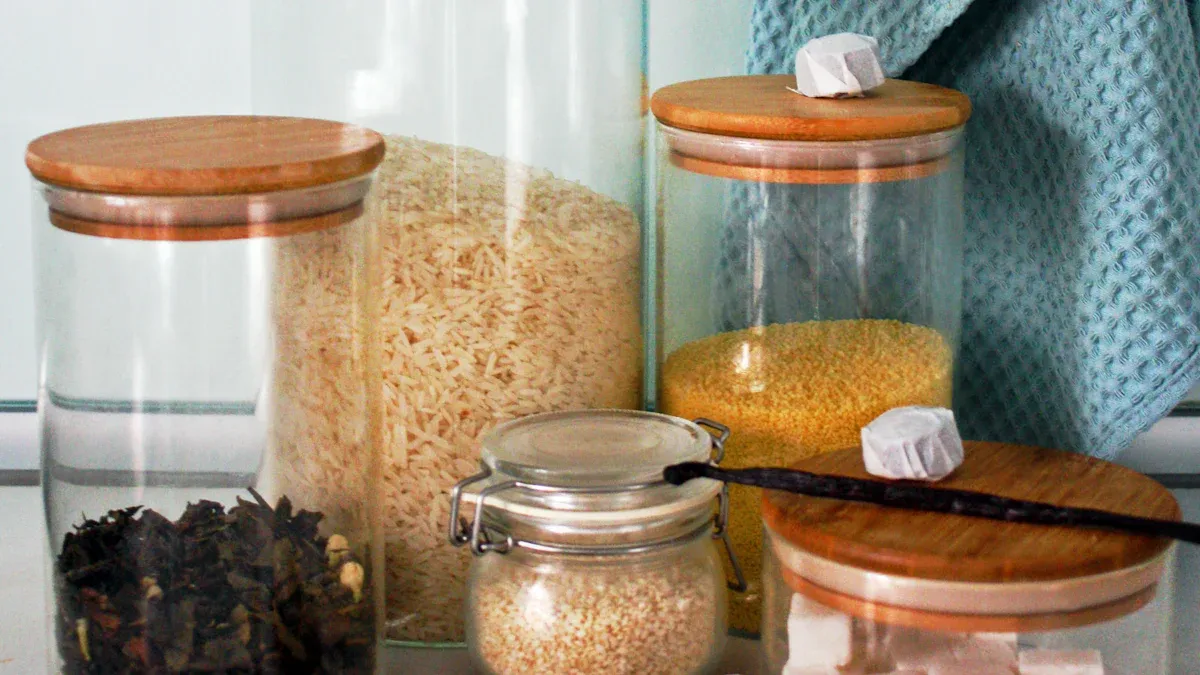
A well-stocked pantry gives you peace of mind. You always have ingredients on hand. These long shelf life foods also save you money. They help with emergency preparedness. The 2017 American Housing Survey found 81% of Americans had enough non-perishable food for three days. These shelf-stable staples offer great convenience. They are excellent pantry staples. Certain foods last longer on your shelf. This is because they are shelf-stable. Low moisture or special processing helps extend their shelf life. This means your pantry can stay full. These staples are ready when you need them.
Key Takeaways
Shelf-stable foods give you peace of mind. They help you save money and make meal planning easier.
Foods become shelf-stable through low moisture, high acidity, or special processing like canning. This stops bad germs from growing.
Store long-lasting foods in a cool, dark, and dry place. Use airtight containers to keep out pests and moisture.
Always use older food items first. This helps you avoid wasting food and keeps your pantry organized.
Why Shelf-Stable Foods Matter
Pantry Benefits
Stocking your pantry with long shelf life foods offers many advantages. First, you gain peace of mind for emergencies. When disasters strike, you need reliable food sources. Shelf-stable staples provide sustenance during power outages or storms. These foods are often ready to eat or easy to prepare without electricity. This reduces stress and ensures your basic needs are met.
You also save money. Buying shelf-stable items in bulk often means lower prices per unit. This reduces your overall grocery bill. You can take advantage of sales. Fewer trips to the store also save you money on gas. This strategy helps you avoid expensive impulse buys. A well-stocked pantry also means less food waste. You always have ingredients for meals. This reduces reliance on costly takeout.
Having these foods on your shelf brings daily convenience. You always have ingredients for quick meals. This makes meal planning easier. You avoid last-minute grocery runs. Your pantry becomes a reliable source for everyday cooking.
Shelf-Stable Principles
Understanding how foods become shelf-stable helps you choose wisely. Several principles make certain foods last longer on your shelf. One key factor is low moisture content. Microorganisms need water to grow. Removing water, through drying for example, stops spoilage. This is why dried beans and pasta last so long.
High acidity also preserves foods. Most harmful bacteria cannot grow in acidic environments. Pickled vegetables use this principle. Preservation methods also play a big role. Canning seals foods in airtight containers. Heat destroys bacteria during this process. This keeps foods safe for years. Vacuum sealing removes air, preventing oxidation. These methods protect your foods from spoilage. Proper storage in a cool, dark, and dry pantry further extends their life.
Top Long Shelf Life Foods

You can stock your pantry with many different foods that last a long time. These shelf-stable staples help you prepare for anything. They also make daily cooking easier. Here are some of the best long shelf life foods to keep in your pantry.
Grains and Legumes
Grains and legumes form the backbone of a resilient pantry. They offer essential carbohydrates and protein. White rice is a fantastic choice. It can last for four to five years. If you vacuum seal it, white rice can last up to 30 years. Dried pasta also stores well. Most freeze-dried pasta lasts 8-30 years. Dried pasta often stays good for 1-2 years past its “best by” date. Rolled oats and steel-cut oats are also excellent. They can last 18 to 24 months in an airtight container. Some sources even say rolled oats can last 30 years.
Dried beans are another pantry essential. Black beans, pinto beans, kidney beans, and lentils are great examples. You should store dried legumes in a cool, dry place. Use airtight containers. This prevents air and moisture from getting in. Label your containers with the purchase date. Proper storage helps them last at least a year. They can last even longer. Some dried beans can last 10+ years.
Flour and cornmeal are also important grains. Bolted cornmeal, which has the hull and germ removed, offers the longest shelf life. This is because the oils that cause rancidity are gone. Unbolted cornmeal spoils faster. It contains oils that make it go bad in about 6 months.
Canned Goods
Canned goods are true heroes for your pantry. They offer convenience and long storage. You can find many types of canned foods.
Canned vegetables are very useful. This includes corn, green beans, tomatoes, carrots, potatoes, and peas. High-acid canned vegetables like tomatoes last 12 to 18 months. Low-acid canned vegetables like corn and green beans can last 2 to 5 years.
Canned fruits are also great. Peaches, pineapple, and pears are good choices. The acidity of the food affects its shelf life. More acidic foods expire sooner. Low-acid canned foods last longer. Canned fruits typically last 12 to 18 months.
Canned proteins provide quick meal options. Tuna, chicken, salmon, and turkey are popular. Canned tuna can last 5 years or more. Canned chicken and other canned meats typically last 3-5 years. You can also find canned soups and broths. Low-acid canned soups last 2 to 5 years.
Fats and Oils
Fats and oils are crucial for cooking. Olive oil and coconut oil are good choices for your pantry. Refined coconut oil lasts 18-36 months. Virgin coconut oil can last 3-5 years. You should store oils in a cool, dark, and dry place. Keep them away from appliances and sunlight. Heat breaks down oils and makes them rancid. Use airtight glass or metal containers. This limits moisture and air contact. It prevents oxidation. Tightly secure lids after use. Dark-colored bottles filter out damaging UV rays. This helps oils keep their flavor.
Vinegars, like white vinegar and apple cider vinegar, also last a long time. They add flavor and can act as preservatives.
Sweeteners and Spices
Sweeteners and spices enhance your foods. Honey has an indefinite shelf life. Its low moisture, high sugar, and natural acidity stop bacteria from growing. Sugar, including granulated and brown sugar, also does not spoil. It acts as a natural preservative as long as it stays dry. Salt is another essential preservative.
Dried herbs and spices add flavor to your meals. Dried herbs keep their potency for one to three years. Ground spices last 4 to 8 months. Whole spices can stay good for up to four years. Store them in a cool, dark place.
Miscellaneous Staples
Many other foods belong in your long-term pantry. Unopened nut butters are great. Natural peanut butter can last 6-9 months in the pantry. It lasts over 12 months in the refrigerator. Dried fruits like raisins and apricots are also good. Raisins and dried cranberries last 6-12 months in the pantry. Dried apricots last 8-12 months.
Coffee and tea are important for many people. Store them in airtight, opaque containers. Keep them in a cool, dark cupboard. This protects them from air, moisture, heat, and light. These elements degrade quality.
Powdered milk is a versatile item. Freeze-dried powdered whey milk can last up to 25 years when stored properly. Opened nonfat dry milk lasts about 3 months. It is great for baking or drinks. You can also include jerky for a protein-rich snack. These foods are true pantry essentials.
Storing Your Shelf-Stable Staples
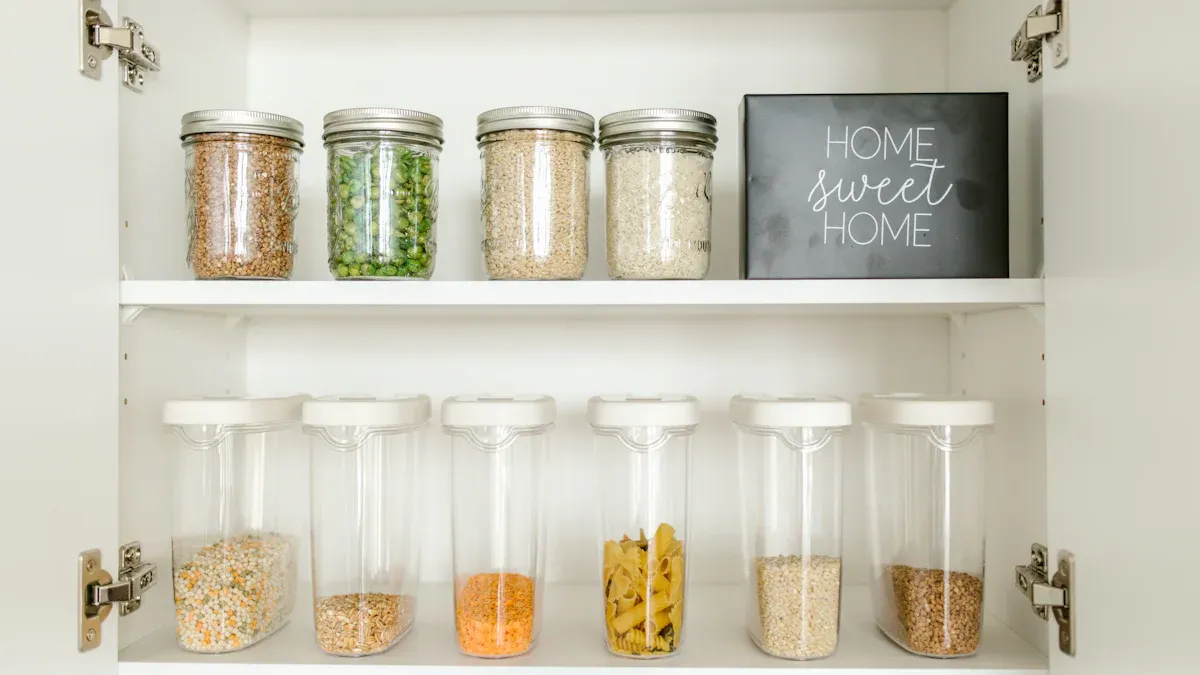
You have gathered your long-lasting foods. Now, you need to know how to store them correctly. Proper storage maximizes their longevity. It also prevents spoilage.
Ideal Storage Conditions
Optimal food storage depends on moisture and temperature. Keep your pantry cool, dark, and dry. The ideal temperature range for shelf-stable foods is about 40-70°F. Higher temperatures speed up vitamin breakdown. They also reduce grain germination rates. For example, wheat stored cold lasted 25 years. Wheat stored hot only lasted 5 years. Maintain low humidity. This prevents mold and bacteria growth. High humidity can cause spoilage. You might need a dehumidifier. Store foods in a dark area. Direct sunlight causes deterioration. It affects proteins, vitamins, and nutrients. This leads to discoloration and off-flavors. Proper ventilation helps maintain air quality. It prevents stale air accumulation.
Protecting Your Stock
You must protect your foods from pests, moisture, and oxidation. Use airtight containers. Plastic bins with tight lids create a barrier. Glass jars with rubber seals also work well. Metal containers offer durability. These containers keep out rodents and insects. They also prevent moisture buildup. This is crucial in humid areas. Consider using oxygen absorbers. They remove oxygen from packages. This slows oxidation. It stops aerobic pathogens from growing. Vacuum sealing also helps. It creates a vacuum inside the container. This stops mold and bacteria. Combining oxygen absorbers with vacuum sealing greatly extends shelf life. Organize your pantry for best results. Use clear containers for visibility. Add wheels to bins for easy movement. Turntables help you access spices easily. Use dedicated racks for canned goods. Stack open-front bins for snacks. An over-the-door shoe rack can save cabinet space.
Date and Rotation Systems
Manage your inventory effectively. Use the First-In, First-Out (FIFO) system. This means you use older items first. Label foods with their entry date. Place items with the earliest expiration dates at the front. New stock goes behind older items. This reduces food waste. It ensures you use foods before they spoil. Understand food dates. “Best by” dates suggest peak quality. Foods are usually safe to eat after this date. “Use by” dates mean the food might not be safe after that date. Always check for spoilage signs. This system helps you keep your pantry organized. It also maximizes the use of your shelf-stable foods.
Incorporating shelf-stable foods into your pantry offers significant advantages. You gain peace of mind for emergencies, save money, and enjoy culinary flexibility. These shelf-stable staples last for years, store easily in your pantry, and retain vital nutrients. They also offer versatility for many recipes. Start building your long-lasting food supply today. It is practical and easy to do. A well-stocked pantry provides security and versatility for your home.
FAQ
What does “shelf-stable” mean for your food?
Shelf-stable food is processed so you can store it safely at room temperature. It does not need refrigeration. This processing removes moisture or adds acidity. It also uses methods like canning. These steps stop bacteria from growing. This keeps your food safe and fresh for a long time.
What types of foods are typically shelf-stable?
Many foods are shelf-stable. You can find canned vegetables, fruits, and meats. Dried goods like pasta, rice, and beans also last long. Honey, sugar, and salt are shelf-stable sweeteners and preservatives. Oils and vinegars also fit this category.
What is the difference between “best by” and “use by” dates?
The “best by” date tells you when food is at its peak quality. You can often still eat the food safely after this date. The “use by” date is about food safety. You should not eat food past its “use by” date. Always check for signs of spoilage.
What are some quick meals you can make with shelf-stable items?
You can make many quick meals. Combine canned tuna with pasta for a simple dish. Use canned beans and tomatoes for a hearty chili. Oats make a fast breakfast. You can also create soups with canned broth and vegetables. These items offer great versatility.