

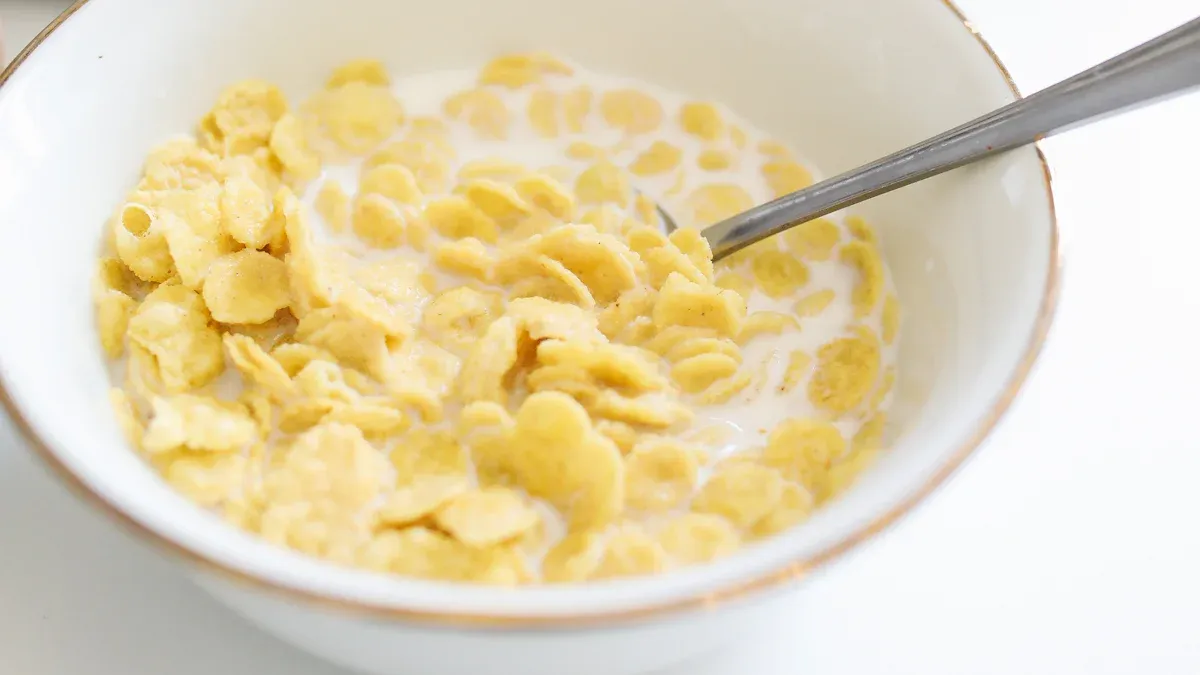
Frosted Flakes holds a significant place in your breakfast routine, capturing 11.7% of total US ready-to-eat cereal sales in 2024. You recognize its iconic crunch and sweetness, making it a popular and convenient choice. This guide helps you understand Frosted Flakes Nutrition, including its sugar content and fortification benefits. You will also discover its role as a quick morning solution and explore creative uses beyond the bowl. We provide a balanced perspective for informed consumption and practical ways you can enjoy this classic cereal.
Frosted Flakes Nutrition: Key Facts
You want to understand what you eat. Frosted Flakes offers a quick breakfast. You should know its core nutritional components. The primary ingredients include milled corn, sugar, malt flavor, and a small amount of salt. This section breaks down the Frosted Flakes Nutrition for you.
Calories and Macronutrients
A typical serving of Frosted Flakes is 0.75 cup, which weighs about 37 grams. This serving provides you with 110 to 130 calories. You get energy from these calories. The cereal contains 0 grams of total fat. This makes it a fat-free option for your morning. You also find sodium in Frosted Flakes. The sodium content ranges from 150 to 190 mg per serving. This represents about 6% of your daily value. Different brands may show slight variations. For example, you might see these figures:
Brand/Product | Fat (g) | Sodium (mg) |
|---|---|---|
Food Club Frosted Flakes Cereal | 0 | 190 |
Kellogg’s Frosted Flakes | 1 | 183 |
Kellogg’s Frosted Flakes Cereal | 0 | 140 |
You can see the fat content is very low. The sodium levels are moderate.
Fortified Vitamins and Minerals
Frosted Flakes is not just corn and sugar. Manufacturers fortify it with essential vitamins and minerals. This means they add nutrients to the cereal. You receive important micronutrients from your bowl. These additions help you meet your daily nutritional needs. The fortification boosts the overall Frosted Flakes Nutrition.
You will find these specific vitamins and minerals in your Frosted Flakes:
Vitamin D
Iron
Thiamin (Vitamin B1)
Riboflavin (Vitamin B2)
Niacin (Vitamin B3)
Vitamin B6
Vitamin B12
Folic acid
Vitamin A
Vitamin C
Palmitate
These fortified nutrients contribute significantly to your daily intake. You get a good percentage of your recommended daily values from a single serving.
Sugar Content Explained
You know Frosted Flakes tastes sweet. Sugar is a primary ingredient. It gives the cereal its distinctive flavor. The sugar content is a key part of Frosted Flakes Nutrition. You should be aware of this. The sweetness comes from added sugar. This provides quick energy. However, you should consume it in moderation. Understanding the sugar content helps you make informed choices. You can balance your diet effectively.
Quick Morning Solution with Frosted Flakes
You often need a fast and easy breakfast. Frosted Flakes provides a practical solution for your busy mornings. You can quickly prepare this cereal. It gives you immediate energy to start your day.
Convenience for Busy Mornings
Frosted Flakes requires minimal preparation time. You just pour it into a bowl. Then you add milk. This makes it an ideal fast breakfast. It provides you with quick energy. This energy comes from its carbohydrate content. Frosted Flakes are also fortified with B vitamins. These vitamins, like niacin and riboflavin, are crucial for energy metabolism. They help your body convert food into usable energy. This makes Frosted Flakes a good source of energy for a quick morning meal.
A typical serving of Frosted Flakes (about 37 grams) provides around 130 calories. It also contains 33.0 grams of carbohydrates. You get 1.0 gram of protein and 0.0 grams of fat. This composition makes it an energy-dense food.
Nutrient | Amount per serving (37g) |
|---|---|
Calories | 130 |
Carbohydrates | 33.0 grams |
Protein | 1.0 grams |
Fat | 0.0 grams |

When you add 3/4 cup of skim milk, your breakfast increases to approximately 200 calories. This gives you more sustained energy.
Boosting Nutritional Value
You can easily enhance the nutritional value of your Frosted Flakes. Additions make your meal more balanced.
Dairy or Non-Dairy Milk: You add protein and calcium with milk. Choose skim milk, almond milk, or soy milk. These options provide essential nutrients.
Fresh Fruits: Include berries or sliced banana. These fruits add fiber and vitamins. They also bring natural sweetness.
Nuts and Seeds: Sprinkle almonds or chia seeds on top. You get healthy fats and protein from these additions. They also add a satisfying crunch.
These simple steps improve the overall Frosted Flakes Nutrition. They turn a quick meal into a more complete breakfast.
Mindful Portion Control
You should practice mindful portion control. This helps you manage your intake. Visual cues can impact how much cereal you pour. For example, large bowls can make you serve more.
Research shows people tend to overserve denser cereals. You can reduce the density of cereals by incorporating more air. This can lead to eating less energy. Manufacturers can also reformulate cereals. They can reduce energy density. This may not affect sales but improves health benefits. You can use a smaller bowl. You can also measure your serving. This helps you stay within recommended portion sizes.
Beyond the Bowl: Creative Frosted Flakes Uses

You can enjoy Frosted Flakes in many ways. This versatile cereal goes beyond your breakfast bowl. You can use it in various culinary creations.
Crunchy Toppings and Coatings
You can give many dishes a delightful crunch with Frosted Flakes. People often ask for new ways to use this cereal. You can crush Frosted Flakes and use them as a crispy coating. For example, you can make a delicious French toast. You dip thick bread in a custard mixture. Then, you coat it in the crushed cereal before griddling. This gives your French toast a unique, crispy texture. You can also sprinkle crushed Frosted Flakes over yogurt, ice cream, or fruit salads. This adds sweetness and a satisfying crunch.
Baking and Dessert Applications
Frosted Flakes also shine in your baking. You can add them to many dessert recipes. Many people love Frosted Flakes cookies. These cookies are often described as delicious and crispy. You can find recipes that use butter, sugar, oil, and eggs. You mix these with flour and oats. Then, you add chocolate chips and Frosted Flakes. You do not even need to crush the flakes if you use a stand mixer. The mixer breaks them down for you. You bake these until they are light golden brown. They become a family favorite.
Snack Mixes and On-the-Go Treats
You can easily create quick snacks and treats with Frosted Flakes. For a simple afternoon snack, you can coat a peeled banana with peanut butter. Then, you roll it in Frosted Flakes cereal. This gives you a tasty and convenient bite. You can also make no-bake cereal bars. You combine Frosted Flakes with marshmallows. You can add rainbow candy sprinkles for extra fun. These bars are easy to make. They take about 15 minutes to prepare. You spread the mixture into a pan. You let it cool for at least one hour. Then, you cut it into squares. You can store these treats in an airtight container for up to one week. You can even freeze them for longer storage. This gives you a perfect on-the-go snack.
You now understand the key aspects of Frosted Flakes Nutrition. It offers a quick energy source and provides fortified vitamins and minerals. Remember its sugar content requires mindful consumption. While convenient, you should balance Frosted Flakes with other nutritious foods for a well-rounded diet. Explore its versatility; you can use it in creative culinary ways. Enjoy this classic cereal responsibly as part of your balanced lifestyle.
