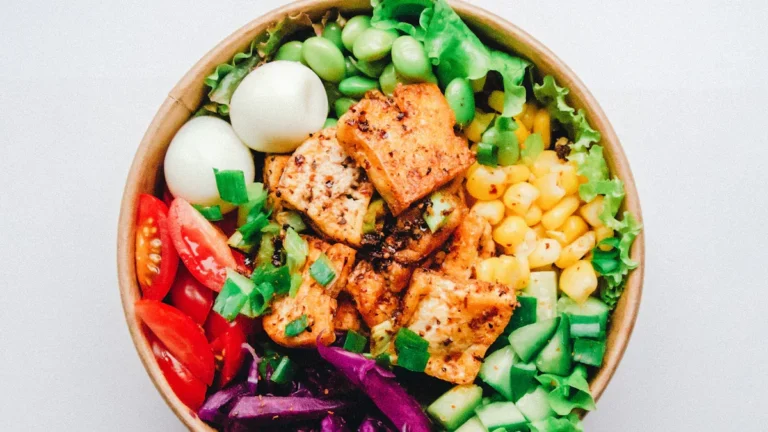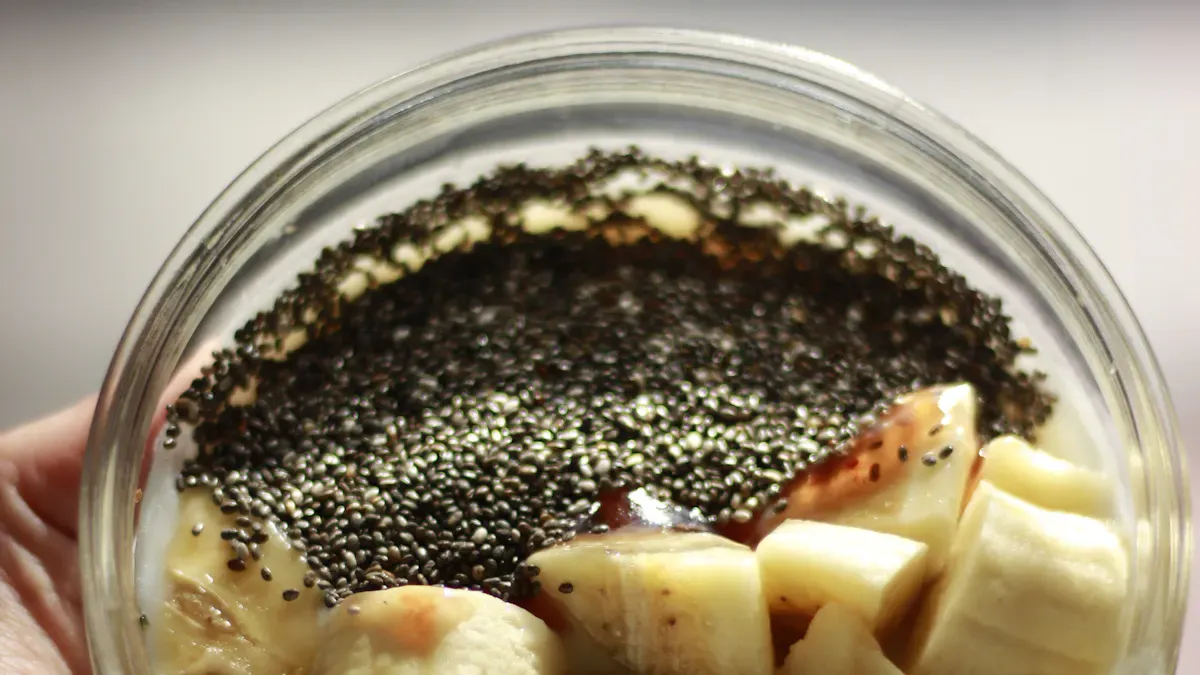
You might have heard about raw chia seeds gaining attention in health circles. These tiny chia seeds pack a powerful punch of nutrition. They provide essential nutrients that support your overall health. When you add chia to your diet, you boost your intake of fiber, omega fatty acids, and antioxidants. Have you ever wondered what makes raw chia seeds so beneficial for your body?
🌱 Tip: Incorporate chia seeds into your meals to enjoy their natural health benefits.
Nutrition of Raw Chia Seeds
Essential Nutrients
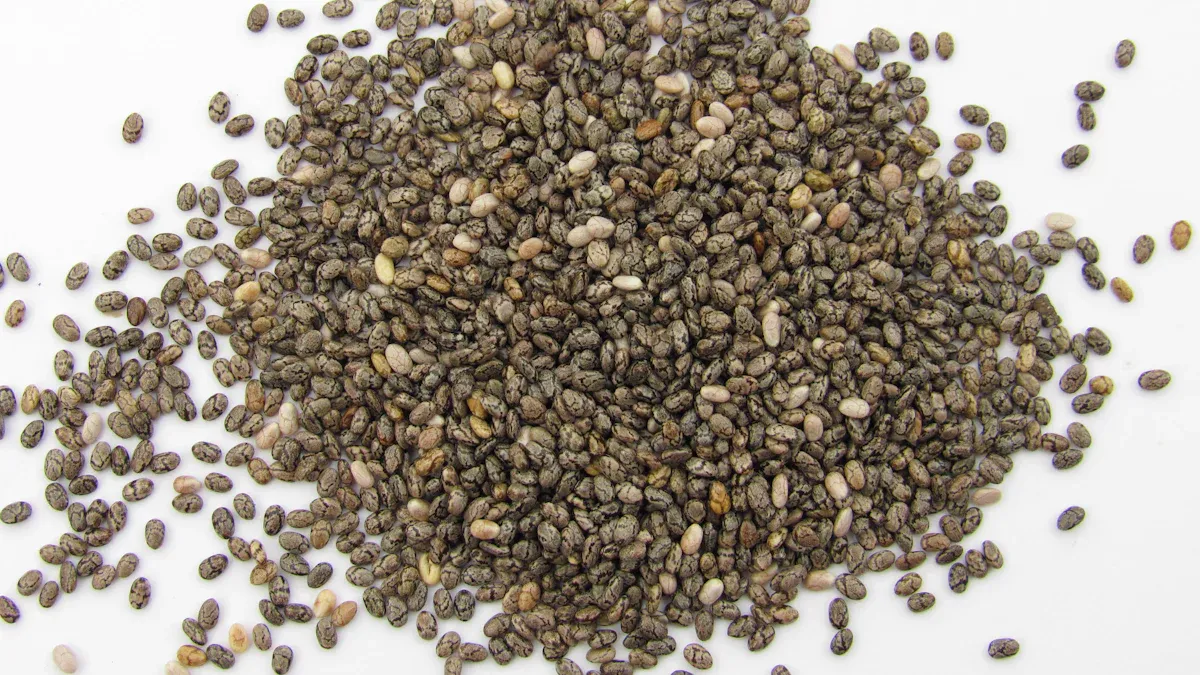
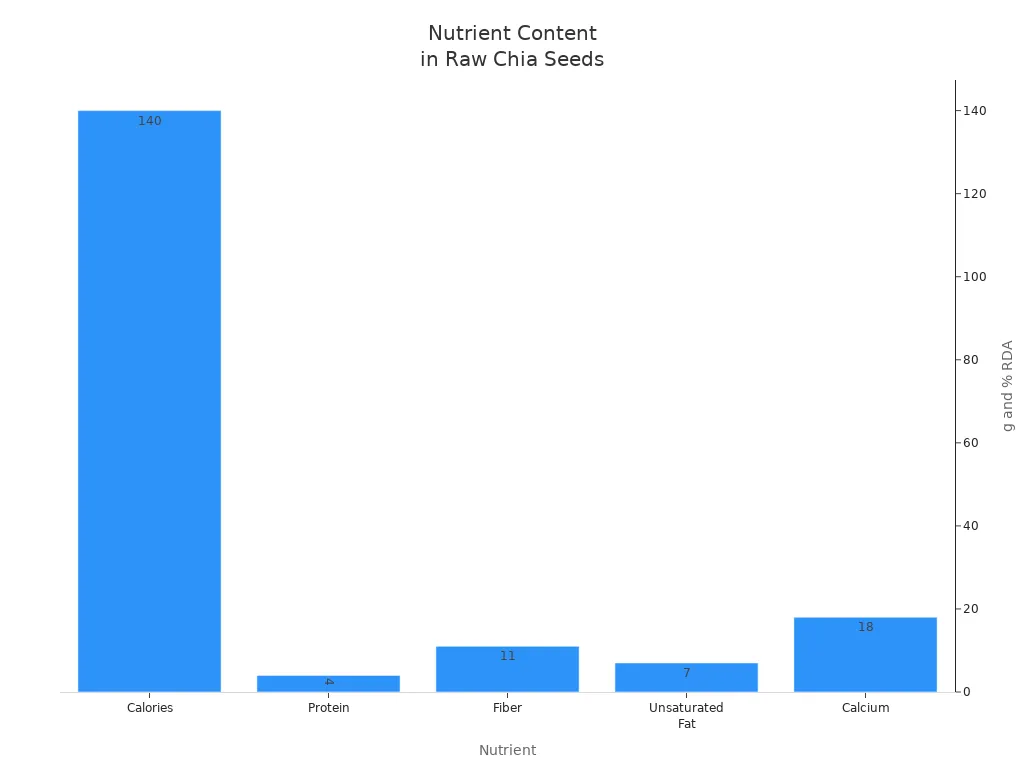
Raw chia seeds provide a rich source of essential nutrients that support your diet and overall health. In just 2 tablespoons (28 grams), chia seeds contain about 140 calories, 4 grams of protein, and 11 grams of fiber. They also offer 5 grams of omega-3 fatty acids, which help maintain heart and brain health. Minerals like calcium (76 mg), magnesium (95 mg), and iron (1 mg) contribute to strong bones, muscle function, and oxygen transport in your body.
Here is a quick look at the key nutrients in chia seeds raw per serving:
| Nutrient | Quantity per 2 tbsp (28g) |
|---|---|
| Fiber | 10g |
| Protein | 4g |
| Omega-3 Fatty Acids | 5g |
| Calcium | 76mg |
| Magnesium | 95mg |
| Iron | 1mg |
💡 Note: The high fiber content in chia seeds helps improve digestion and keeps you feeling full longer.
Comparison with Other Seeds
When you compare chia seeds to other popular seeds, you see why they stand out in nutrition. For example, chia seeds provide more protein than flaxseeds but less than hemp seeds. Here is a comparison of protein content per serving:
| Seed Type | Protein (g) per Serving |
|---|---|
| Chia | 1.6 |
| Flax | 1.3 |
| Hemp | 5.5 |
Chia seeds also contain more fiber than many other seeds. They have about 34 to 40 grams of fiber per 100 grams, which is higher than quinoa, flaxseed, and amaranth. This makes chia seeds a great choice if you want to increase your fiber intake.
| Seed Type | Fiber Content (g/100g) |
|---|---|
| Chia Seeds | 34 – 40 |
| Quinoa | Lower than Chia |
| Flaxseed | Lower than Chia |
| Amaranth | Lower than Chia |
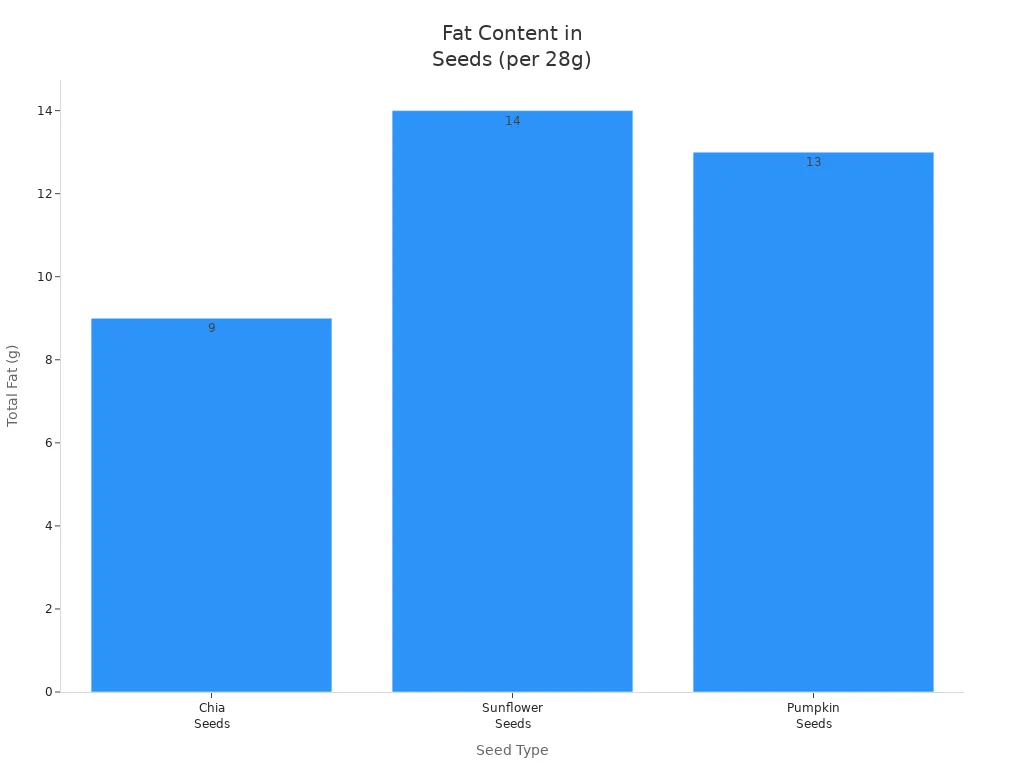
In terms of fat content, chia seeds have less total fat than sunflower and pumpkin seeds. This can be helpful if you want to control fat intake while still getting healthy fats.
| Seed Type | Total Fat (g) per 28g |
|---|---|
| Chia Seeds | 9 |
| Sunflower Seeds | 14 |
| Pumpkin Seeds | 13 |
Overall, chia seeds offer a balanced mix of protein, fiber, healthy fats, and minerals. Adding chia seeds raw to your diet can boost your nutritional benefits in a simple and natural way.
Weight Loss Benefits
Satiety and Appetite Control
Raw chia seeds can significantly aid in appetite control. Their high fiber content plays a crucial role in promoting feelings of fullness. When you consume chia seeds, they absorb water and expand in your stomach, creating a gel-like texture. This process slows digestion and prolongs the sensation of satiety.
Here are some key points about how chia seeds help with appetite control:
- Chia seeds contain approximately 9.75 grams of fiber per ounce. This fiber helps suppress appetite by making you feel fuller for longer.
- They also provide about 4.69 grams of protein per serving, which further contributes to feelings of fullness.
- Studies have shown that incorporating chia seeds into your diet can lead to reduced calorie intake. For instance, a 2014 study indicated that participants consuming chia flour experienced weight loss compared to those on a placebo.
| Study | Findings |
|---|---|
| Nieman et al. (2009) | Ingestion of 50g/d of chia seeds for 12 weeks did not influence body mass or disease risk factors in overweight/obese individuals. |
| Guevara-Cruz et al. (2012) | A dietary pattern including chia seeds showed a reduction in serum triglycerides and insulin levels in participants with Metabolic Syndrome. |
Metabolism Boost
Chia seeds may also support your metabolism. Their low-calorie density makes them an excellent addition to weight loss diets. With only about 138 calories per ounce, they provide essential nutrients without adding excessive calories to your meals. This nutrient density allows you to enjoy a satisfying snack while managing your weight effectively.
The metabolism-boosting properties of chia seeds include:
- Their rich nutrient composition, which includes B vitamins, omega-3 fatty acids, fiber, and antioxidants. These nutrients can support metabolic processes in your body.
- The high fiber content promotes satiety, potentially reducing overall calorie intake and supporting metabolic health.
- Some studies suggest that chia seeds may aid in weight and waist circumference reduction in humans, although direct evidence of boosting metabolism is limited.
| Evidence Description | Findings |
|---|---|
| Nutrient Composition | Chia seeds are rich in B vitamins, omega-3 fatty acids, fiber, and antioxidants, which may support metabolism. |
| Fiber and Satiety | The high fiber content promotes satiety, potentially reducing calorie intake and supporting metabolic health. |
| Animal Studies | Chia seeds have shown to reduce visceral fat in animal models, indicating potential metabolic benefits. |
| Human Studies | Some studies suggest that chia seeds may aid in weight and waist circumference reduction in humans, although direct evidence of boosting metabolism is limited. |
Incorporating raw chia seeds into your diet can help you manage your weight effectively while enjoying their numerous health benefits.
Heart Health from Raw Chia Seeds
Omega Fatty Acids
Raw chia seeds are a powerhouse of omega fatty acids, particularly omega-3 and omega-6. These essential fats play a crucial role in maintaining your heart health. Chia seeds are recognized as the richest plant source of omega-3 fatty acids, with approximately 60% of their oil content consisting of these beneficial fats. Including chia in your diet can help you achieve a balanced intake of these essential nutrients.
The omega-3 fatty acids found in chia seeds, especially alpha-linolenic acid (ALA), contribute significantly to cardiovascular health. Here are some key benefits:
- Cholesterol Regulation: Omega-3 fatty acids help in lowering cholesterol levels.
- Heart Rhythm: They assist in regulating heart rhythms.
- Blood Clots: Omega-3s prevent blood clots and decrease inflammation.
| Findings | Description |
|---|---|
| HDL-C Levels | Increased HDL-C levels are inversely related to the development of cardiovascular disease (CVD). |
| Coronary Heart Disease | Enriching diets with omega-3 fatty acids reduces the incidence of coronary heart disease. |
Cholesterol Reduction
Incorporating raw chia seeds into your diet can also help reduce cholesterol levels. Research indicates that chia seeds can significantly increase HDL cholesterol levels compared to oatmeal. While the effects on total cholesterol:HDL ratios remain uncertain, the positive impact on HDL is noteworthy.
Additionally, studies show that chia seeds can lead to significant reductions in triglycerides and low-density lipoprotein cholesterol (LDL-C). A systematic review found that chia seed supplementation resulted in a notable decrease in triglyceride levels, with weighted mean differences of −8.69 mg/dL and −13.11 mg/dL for different dosages. Furthermore, participants taking higher doses of chia seeds experienced a significant reduction in LDL-C levels, showing a weighted mean difference of −4.77 mg/dL.
Here are some findings from recent studies:
- Chia seed supplementation did not significantly alter lipid profile parameters but showed a reduction in CRP, an inflammatory marker.
- Participants taking higher doses of chia seeds experienced a notable decrease in triglyceride levels and LDL-C levels.
By adding raw chia seeds to your meals, you can support your heart health and manage cholesterol levels effectively.
Digestive Health
Fiber Content
Raw chia seeds are an excellent source of dietary fiber, which plays a vital role in maintaining gut health. In just one ounce (28 grams) of chia seeds, you get about 11 grams of fiber. This high fiber content supports digestion in several ways:
- Chia seeds contain both soluble and insoluble fiber, essential for gut health.
- Soluble fiber forms a gel-like substance that slows digestion. This process aids nutrient absorption and acts as food for beneficial gut bacteria.
- Insoluble fiber adds bulk to stool, promoting regular bowel movements and preventing constipation.
Chia seeds serve as a prebiotic source, feeding beneficial gut bacteria such as Lactobacillus and Bifidobacterium. Research indicates that the mucilage formed when chia seeds absorb water positively influences the growth of these bacteria, crucial for maintaining gut health.
Gel-Like Texture
When you soak chia seeds in water, they develop a gel-like texture due to their soluble fiber content. This gel has several benefits for digestion:
| Evidence Description | Impact on Digestion and Nutrient Absorption |
|---|---|
| Soaked chia seeds contain soluble fiber that forms a gel, aiding stool movement and promoting regularity. | Helps soften stool, prevents constipation, and improves gut health. |
| The gel-like texture slows digestion, leading to prolonged feelings of fullness. | May assist in weight management and control blood sugar levels. |
| Chia seeds are rich in both soluble and insoluble fiber. | Supports healthy digestion and improves gut motility. |
The gel formed by soaking chia seeds helps soften stool, promoting regularity and preventing constipation. This unique texture interacts with digestive enzymes, enhancing nutrient absorption. By incorporating raw chia seeds into your diet, you can support your digestive health effectively.
Antioxidant Properties
Antioxidants
Raw chia seeds are rich in antioxidants, which play a vital role in protecting your body from oxidative stress. These antioxidants help neutralize harmful free radicals, reducing the risk of chronic diseases. Some key antioxidants found in chia seeds include:
- Caffeic acid
- Chlorogenic acid
- Quercetin
- Myricetin
- Kaempferol
- Vitamin E (8.02 μg/100 g)
Studies show that chia seeds possess significant antioxidant potential. For instance, research by Uribe et al. (2011) highlights chia seeds as a great source of antioxidants. Ayerza and Coates (2001) identified various polyphenolic compounds in chia seeds, including chlorogenic acid and caffeic acid. Additionally, Nadeem et al. (2013) found that chia seeds exhibited greater antioxidant activity compared to other seeds like Moringa oleifera and sesame cake extract.
| Study | Findings |
|---|---|
| Uribe et al. (2011) | Chia seeds are a great source of antioxidants with significant antioxidant potential. |
| Ayerza and Coates (2001) | Identified polyphenolic compounds in chia seeds including chlorogenic acid, caffeic acid, myricetin, quercetin, and kaempferol. |
| Nadeem et al. (2013) | Chia seeds exhibited greater antioxidant activity compared to Moringa oleifera and sesame cake extract. |
Anti-Inflammatory Effects
The antioxidants in chia seeds also contribute to reducing inflammation in your body. They inhibit the formation of reactive oxygen species (ROS) and scavenge free radicals. This action minimizes cellular damage and supports your body’s defense mechanisms against inflammation. Regular consumption of chia seeds may lead to a decrease in inflammatory markers, indicating a reduction in inflammation-related diseases.
Chia seeds contain antioxidants like caffeic acid, which combat inflammation effectively. By incorporating chia into your diet, you can enhance your overall health and support cardiovascular health. The combination of antioxidants and anti-inflammatory properties makes chia seeds a valuable addition to your meals.
Incorporating raw chia seeds into your diet can lead to numerous health benefits. These tiny seeds are a complete protein source, containing all nine essential amino acids. They may help combat free radicals, improve heart health, and manage blood sugar levels. Additionally, chia seeds can reduce inflammation and support weight loss by increasing feelings of fullness.
To enjoy these benefits, consider adding chia seeds to your meals. You can start with a simple chia pudding or sprinkle them on salads and cereals. Experimenting with chia in smoothies or baked goods can also enhance your nutrition. By making chia seeds a regular part of your diet, you can support your overall health and well-being.
FAQ
What are chia seeds used for?
Chia seeds are versatile. You can add them to smoothies, make chia pudding, or mix them into overnight oats. They enhance the nutritional value of your meals while providing fiber, protein, and healthy fats.
How do you prepare chia seed pudding?
To prepare chia seed pudding, mix 1/4 cup of chia seeds with 1 cup of milk or a milk alternative. Stir well and let it sit for at least 2 hours or overnight in the fridge. Enjoy it plain or with your favorite toppings.
Can chia seeds help with weight loss?
Yes, chia seeds can aid weight loss. Their high fiber content promotes satiety, helping you feel full longer. Incorporating them into recipes like smoothies or chia pudding can support your weight management goals.
Are there any side effects of consuming chia seeds?
Chia seeds are generally safe for most people. However, consuming them in large amounts may cause digestive issues due to their high fiber content. Start with small servings and increase gradually to avoid discomfort.
How can I include chia seeds in my diet?
You can include chia seeds in various recipes. Add them to smoothies, sprinkle them on salads, or mix them into baked goods. They also work well in chia pudding and overnight oats for a nutritious breakfast.