Oven-baking stands out as the easiest way to cook a corned beef. You wrap the meat, pour in broth, and let slow-roasting work its magic for juicy tenderness.
Did you know? Irish and Jewish immigrants helped make oven-baked corned beef popular in America.
Cooking Method | Average Preparation Time |
|---|---|
Oven-Baked | 2 hours + 30 minutes |
Boiling | 3 to 4 hours |
Slow Cooking | 4.5 hours (high) or 8-9 hours (low) |
You don’t need fancy skills or special equipment-just a pan and some foil.
Key Takeaways
Oven-baking corned beef is simple. Wrap the meat in foil, add broth, and bake at 300°F for juicy results.
Choose brisket for richer flavor and tenderness. Round cut is leaner but may be drier.
Always let the meat rest for 10 minutes after baking. This keeps it juicy when you slice it.
Ingredients and Prep
What You Need
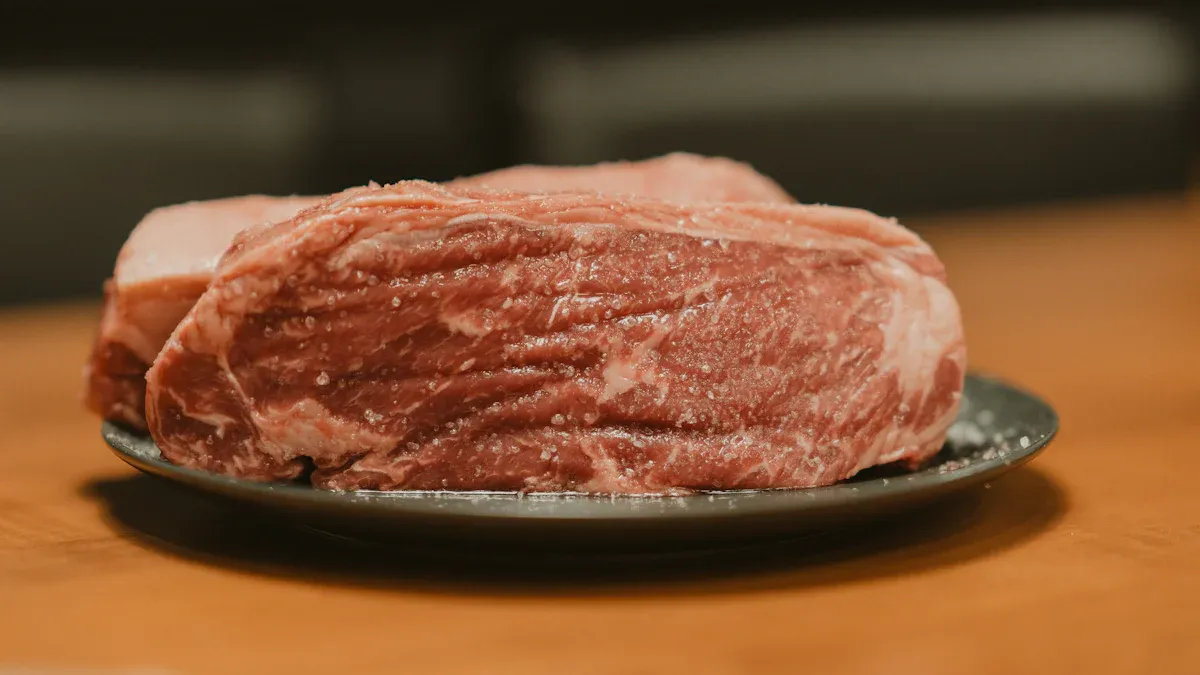
Before you start, gather everything you need to cook a corned beef in the oven. You want to make sure you have the right cut of meat and a few simple extras. Most people use brisket, but you might see round cuts at the store, too. Brisket comes from the lower chest of the cow and has more fat, which gives it a richer flavor. Round comes from the rear leg and is leaner with a firmer texture.
Here’s a quick look at the differences:
Cut | Fat Content | Texture | Taste |
|---|---|---|---|
Brisket | Higher marbling, fattier | Juicier, slow-cooked | Richer and juicier |
Round | Leaner, less marbling | Firmer, can be drier | Milder, less rich |
You’ll also need:
Corned beef (brisket or round)
Low sodium beef broth (this helps make your meal healthier by cutting down on salt)
Aluminum foil
Roasting pan
Tip: Using low sodium broth keeps your dish tasty but helps you watch your sodium intake. Great for anyone who wants a healthier meal!
Prepping the Meat
Take your corned beef out of the package and rinse it under cold water. This step removes extra brine and keeps the flavor balanced. Pat the meat dry with paper towels. If your corned beef comes with a spice packet, sprinkle it over the top. You can also add your own favorite spices if you want more flavor.
Some people like to trim off a little fat, but leaving some on helps keep the meat juicy while it cooks. Now you’re ready to cook a corned beef that’s both tender and full of flavor.
How to Cook a Corned Beef
Oven Settings
You want to start by setting your oven to the right temperature. Preheat your oven to 300°F. This low and slow heat helps you cook a corned beef until it’s tender and juicy. If you’re short on time, you can use 400°F for a faster bake, but the meat may not be as soft.
Here’s a quick look at how temperature and cooking time affect the texture:
Temperature (°F) | Cooking Time (hours) | Texture Description |
|---|---|---|
135 | 24-48 | Juicier, steak-like texture |
152 | 24-48 | Traditional, starting to break down |
165 | 24-48 | Firm texture, similar to classic corned beef |
176 | 12-24 | Fork tender, fully broken down |
You can see that lower temperatures and longer times give you a softer, juicier result. Most people stick with 300°F for the best balance.
Wrapping and Adding Broth
Next, you need to wrap your meat. Use aluminum foil to seal the corned beef tightly. This step traps moisture and creates a steamy environment, which helps you cook a corned beef that’s tender and juicy. If you use butcher paper instead, you’ll get a firmer crust but the meat might be a little drier.
Aluminum foil keeps the juices in and makes the meat soft.
Butcher paper lets moisture escape, so you get a firmer bark but less juiciness.
Place the wrapped corned beef in a roasting pan. Pour about 1 cup of low sodium beef broth around the meat. The broth adds flavor and keeps everything moist while baking.
Tip: Make sure the foil is sealed well so the steam doesn’t escape. This helps you cook a corned beef that stays juicy.
Baking Time and Temperature
Now you’re ready to bake. Put the roasting pan in the oven. Bake for about 1 hour per pound at 300°F. If you use 400°F, bake for 50 minutes per pound. Always check the internal temperature with a meat thermometer.
For food safety, cook until the inside reaches at least 160°F.
For the most tender corned beef, aim for 185-190°F.
Purpose | Temperature (°F) |
|---|---|
Minimum safe | 145 |
Optimal tenderness | 180 – 205 |
If you want a flavorful crust, try a mustard glaze. Mix smooth and grainy Dijon mustard, a little honey, and marmalade. Brush it over the top of the corned beef during the last 15 minutes of baking. Broil for a few minutes to caramelize the glaze. This adds sweetness, tang, and a nice texture.
The glaze gives a sweet-savory balance.
Dijon mustard adds tang and spice.
Grainy mustard brings texture and bold flavor.
Broiling caramelizes the glaze for a tasty crust.
Resting and Slicing
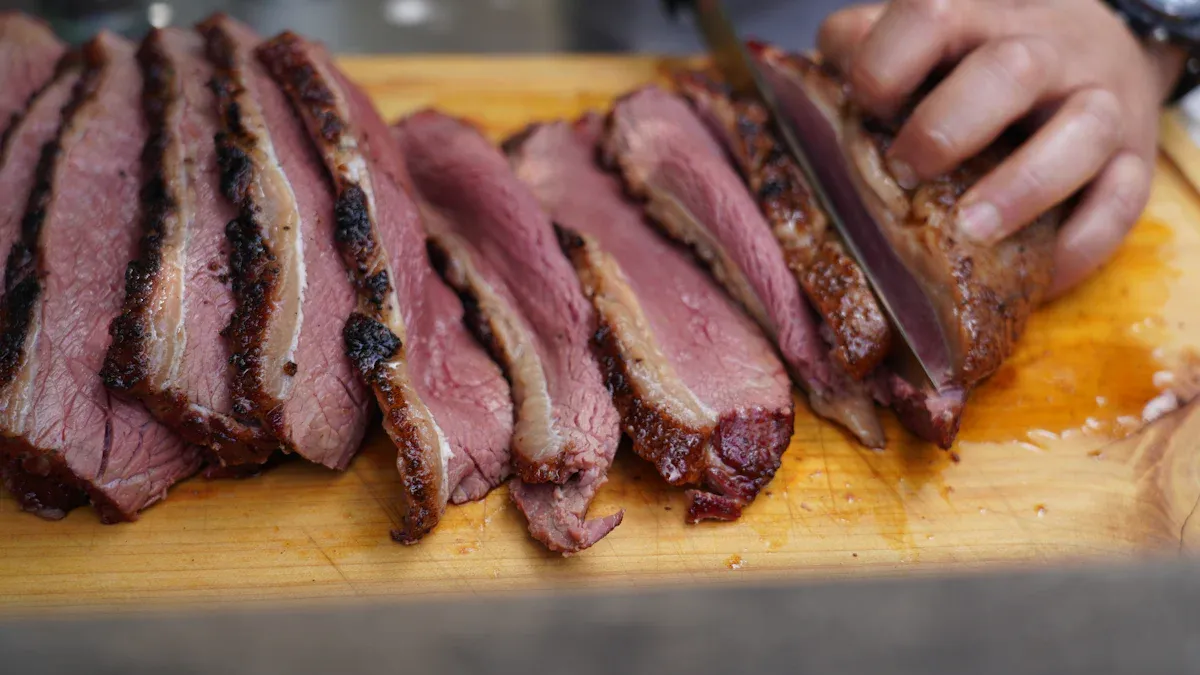
When the corned beef is done, take it out of the oven. Let it rest for at least 10 minutes before slicing. This step is important. If you cut the meat right away, the juices will run out and the meat will be dry.
Make sure to rest your meat so the high inside heat doesn’t drive out all the juiciness as soon as you cut it.
Slice the corned beef against the grain. This makes each bite tender and easy to chew. Now you’re ready to serve a corned beef that’s juicy, flavorful, and perfect for any meal.
Tips for Best Results
Keeping It Tender
You want your corned beef to stay juicy and soft. The best way to do this is by trapping moisture during baking. Here’s what works:
Wrap the meat tightly in aluminum foil or use a sealed baking dish. This keeps steam inside.
Skip the roasting rack. Let the meat sit directly in the pan so it stays surrounded by liquid.
Pour a little broth or water into the pan. This helps keep the meat moist as it cooks.
Cover the pan for most of the baking time. You lock in flavor and tenderness.
When you slice the meat, go against the grain. Cut pieces about 1/8 inch thick. This makes each bite tender and easy to chew.
Slicing against the grain breaks up tough fibers. You get a softer texture every time.
Flavor Boosts and Mistakes to Avoid
You can add extra flavor with simple ingredients. Try brushing the top with Dijon mustard, stone-ground mustard, or a mix of brown sugar and steak seasoning. These add a sweet and tangy kick.
Want more variety? Roast vegetables like carrots, parsnips, Brussels sprouts, and potatoes in the same pan. Cut them to similar sizes so they cook evenly. Roasting brings out their natural sweetness and gives your meal a colorful look.
Here’s a quick table showing common mistakes and how to avoid them:
Mistake | What Happens | How to Avoid |
|---|---|---|
Not enough liquid | Meat dries out | Add broth or water |
Oven too hot | Loses moisture, gets tough | Bake at a lower temperature |
Overcooking | Becomes dry and crumbly | Check for tenderness early |
If you follow these tips, you’ll cook a corned beef that’s moist, flavorful, and perfect for sharing.
You can bake a corned beef in the oven with simple steps and get juicy, tender results every time. Try different glazes for extra flavor. Pair your meal with classic sides like:
Creamy mashed potatoes
Roasted carrots with honey
Soda bread
Sauerkraut
Glaze Type | Effect on Satisfaction |
|---|---|
Honey Mustard | Adds flavor, golden finish |
Dijon Mustard & Brown Sugar | Rich texture and glossy look |
Bourbon & Pineapple Juice | Unique taste, more depth |
Most people say oven-baked corned beef is easier and tastier than boiling. You can cook veggies alongside for even more flavor. Give it a try-anyone can make a perfect corned beef at home!
FAQ
What cut of corned beef should you buy for oven baking?
Brisket works best. You get more flavor and tenderness. Round cut is leaner but can turn out drier.
What can you do if your corned beef turns out tough?
Let it cook longer at a lower temperature. Slice against the grain. This helps make each bite softer.
What sides go well with oven-baked corned beef?
Try mashed potatoes, roasted carrots, or sauerkraut. You can also add soda bread for a classic touch. 🥔🥕