

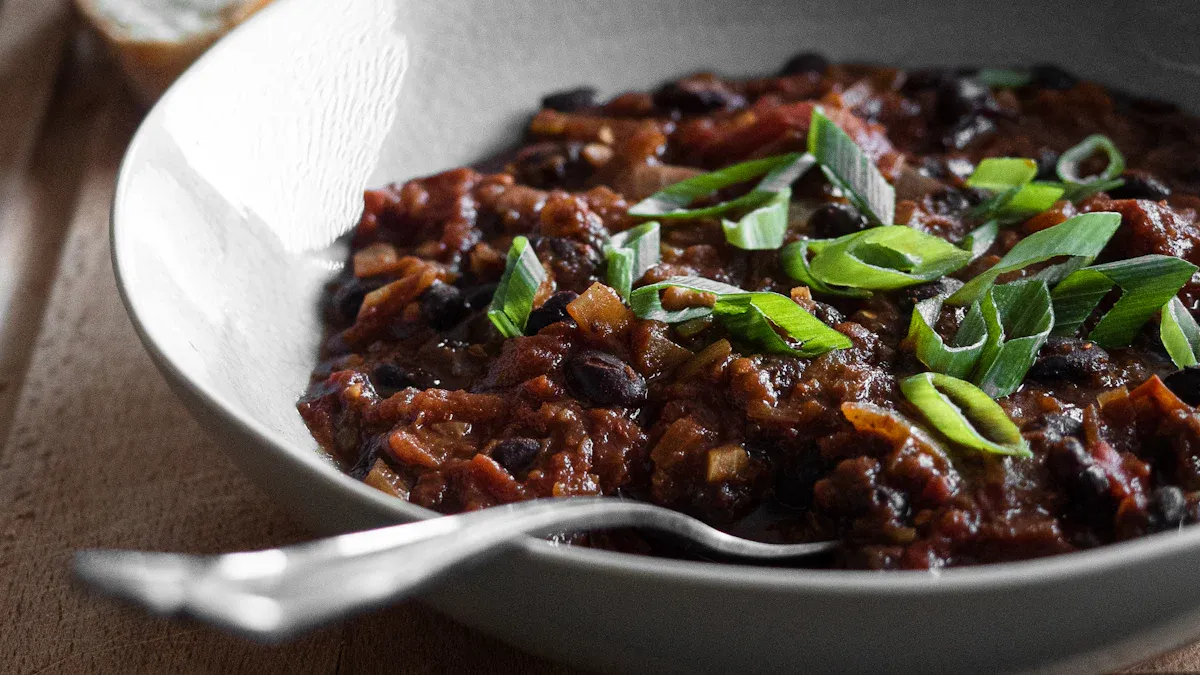
If you want to cook beef kidney, you start by picking a fresh kidney. You clean and trim it well, then soak it in salted water or lemon juice for better taste. Next, you use quick, high-heat cooking. Sautéing, stewing, grilling, and braising are popular ways to prepare beef kidney:
Cooking Method | Description |
|---|---|
Sautéing | Cook slices in oil or butter over medium-high heat for 5-7 minutes. |
Stewing | Brown kidneys, then simmer with broth and veggies for up to 2 hours. |
Grilling | Grill seasoned kidneys for 3-4 minutes each side. |
Braising | Brown kidneys, then simmer in liquid for 1-2 hours. |
Beef kidney gives you lots of vitamin B12, riboflavin, and selenium, with less fat and calories than beef liver.
Key Takeaways
Choose fresh beef kidney by looking for a deep red color and a firm texture. Avoid any that smell sour or feel slimy.
Clean and trim the kidney properly. Remove the outer membrane and any fatty tissue to enhance flavor and texture.
Soak the kidney in salted water or milk for at least 45 minutes. This step reduces strong odors and improves taste.
Cook beef kidney quickly using methods like pan-frying or boiling. Aim for 8-12 minutes to keep it tender and flavorful.
Pair cooked kidney with sides like mashed potatoes or green beans to balance its strong flavor and create a complete meal.
Select Beef Kidney
Freshness Tips
When you walk up to the meat counter, you want to spot the freshest beef kidney. Freshness matters for taste and safety. You can use your eyes and hands to check for quality. Here’s what you should look for:
The kidney should have a vibrant, deep red color. Dull or faded colors can mean the meat is old.
Touch the surface. It should feel moist but not slimy or sticky.
Some packaging has a freshness indicator. If you see a color change on the label, that can show the pH level inside. A healthy pH means the kidney is still fresh.
The kidney should be firm. Soft or mushy spots are a red flag.
Ask your butcher about the source. Local farms that use sustainable and ethical practices, like Twisted V Ranch, often provide higher-quality kidneys. These farms care about animal welfare and the environment, so you get a product that’s good for you and the planet.
Tip: Supporting local farms helps your community and reduces the impact of food transport. You also get fresher meat!
What to Avoid
You want to skip kidneys that show any signs of spoilage. Here’s a quick checklist to help you avoid bad choices:
Smell the kidney. A fresh one smells clean. Sour or rancid odors mean spoilage.
Check the color. Fresh kidneys are red. If you see gray or green, walk away.
Feel the texture. Slimy or sticky surfaces suggest bacteria.
Look at the expiration date, but trust your senses first.
Inspect the packaging. Torn or swollen packs can let in bacteria.
Watch for mold. Any mold means the kidney is unsafe.
Never taste questionable meat. If you’re unsure, don’t risk it.
Choosing the right beef kidney sets you up for a tasty meal. Freshness and ethical sourcing make all the difference!
Prep Beef Kidney
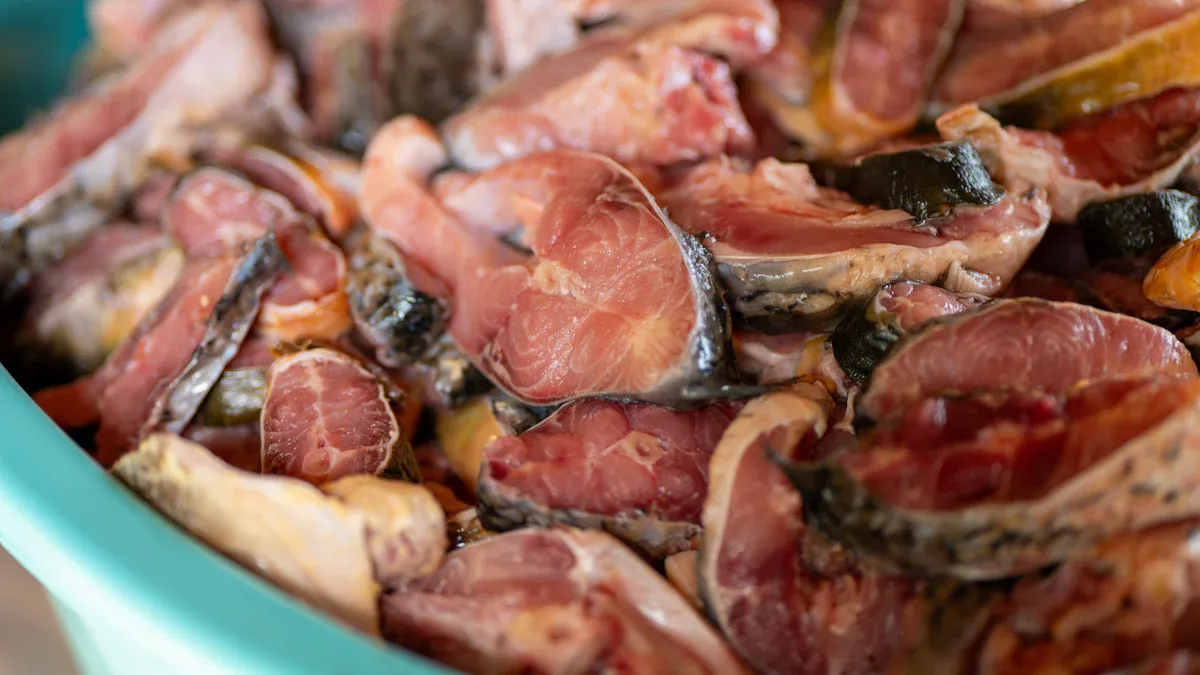
Clean and Trim
Getting beef kidney ready starts with a good cleaning and careful trimming. You want to make sure you remove anything that could affect the taste or safety of your dish. Here’s what you should do:
Wash your hands and clean your work area.
Always start with clean hands and a sanitized cutting board. This keeps your food safe.Rinse the kidney under cold water.
Hold the kidney under running water to wash away any surface blood or residue.Remove the outer membrane.
Use a small, sharp knife to peel off the thin, shiny layer covering the kidney. This membrane can make the kidney tough if you leave it on.Slice the kidney in half lengthwise.
This helps you see the inside and makes the next steps easier.Cut out the white core and any fatty tissue.
The center of the kidney has a white, rubbery core (the ureter) and some fat. Trim these away because they can taste strong and chewy.Cut the kidney into bite-sized pieces or slices.
Smaller pieces cook more evenly and soak up flavors better.
Tip: Always keep raw beef kidney separate from other foods. Use a different cutting board for veggies and ready-to-eat items.
Soak for Flavor
Soaking beef kidney is the secret to a milder taste and better texture. This step helps draw out any strong odors and makes the kidney more pleasant to eat. Here’s what you need to do:
Place the trimmed kidney pieces in a bowl.
Cover them with cold, salted water.
Use about 2 tablespoons of salt for every 2 cups of water. You can also add a splash of lemon juice, vinegar, or apple cider vinegar for extra odor control.Let the kidney soak for at least 45 minutes.
If you have more time, you can soak them for up to 1.5 hours. Some cooks like to use milk instead of water for soaking. Milk helps neutralize strong flavors even more.Change the soaking liquid once or twice if the water gets cloudy.
This step helps remove as many impurities as possible.Rinse the kidney pieces under cold water after soaking.
Pat them dry with a paper towel before you cook beef kidney.
Note: Soaking is not just about flavor. It also helps with texture and makes the kidney easier to cook.
Soaking Liquid | Effect on Flavor and Odor |
|---|---|
Salted Water | Reduces strong, gamey taste |
Lemon/Vinegar Water | Cuts odor, adds freshness |
Milk | Neutralizes flavor, softens |
Remember to refrigerate the kidney if you are not cooking it right away. Always store raw meat in the fridge within two hours, and use it within a day or two for the best results.
Cook Beef Kidney

Cooking beef kidney can feel new, but you can master it with a few easy steps. You have two main ways to cook beef kidney at home: pan-frying and boiling. Each method brings out different flavors and textures. Let’s walk through both.
Pan-Fry Beef Kidney
Pan-frying gives you a quick, tasty meal with a golden-brown crust. Here’s what you do:
Pat the kidney pieces dry with a paper towel. Dry pieces brown better.
Season the kidney. You can use salt, black pepper, garlic powder, or even a sprinkle of paprika. Some cooks like to add a little olive oil, minced sage, or balsamic vinegar for extra flavor.
Heat a skillet over medium-high heat. Add a splash of oil or a small knob of butter.
When the pan is hot, add the kidney pieces in a single layer. Don’t crowd the pan.
Let the pieces cook for about 3-4 minutes without moving them. This helps them brown.
Flip the pieces and cook for another 3-4 minutes. You want the outside to be golden and the inside just cooked through.
Remove the kidney from the pan. Let it rest for a minute before serving.
Tip: Pan-frying works best when you cook beef kidney quickly over high heat. Overcooking can make it tough.
You can serve pan-fried beef kidney with onions, fresh herbs, or a squeeze of lemon juice. Some people enjoy it with a side of mashed potatoes or toast.
Boil Beef Kidney
Boiling is a simple way to cook beef kidney, especially if you want a softer texture or plan to use it in soups and stews. Here’s a step-by-step guide:
Fill a pot with enough water to cover the kidney pieces. For extra flavor, use beef broth instead of water.
Bring the water or broth to a boil.
Add the kidney pieces to the pot. Make sure they are fully submerged.
Add seasonings. You can toss in sliced onions, thyme, garlic, or a pinch of black pepper. Some cooks add a splash of vinegar or a dash of Maggi seasoning for depth.
Boil the kidney for 8 minutes if you like it rare. For medium, boil for 10 minutes. If you want it well-done, go for 12 minutes.
Remove the kidney from the pot. Slice and serve as you like.
Boiling Time | Doneness Level | Texture Comparison |
|---|---|---|
8 minutes | Rare | Tender, juicy |
10 minutes | Medium | Like sea scallops |
12 minutes | Well-done | Firm, plenty of ‘bite’ |
Note: Boiling beef kidney in broth makes it richer and is great for Asian-style dishes. You can serve boiled kidney with noodles or rice.
Cooking Time
Cooking time matters when you cook beef kidney. Too little time, and it stays chewy. Too much, and it gets rubbery. Here’s a quick guide:
Cooking Method | Cooking Time |
|---|---|
Pan-frying | 8 minutes |
Boiling (medium) | 10 minutes |
Boiling (well-done) | 12 minutes |
Most recipes suggest about 8 minutes for pan-frying. For boiling, 10 minutes gives you a medium texture, while 12 minutes makes it well-done. Always check that the kidney is cooked through but still tender.
Pro Tip: Let the water or pan get hot before adding the kidney. This helps with browning and keeps the texture just right.
You can find beef kidney in many classic dishes. British recipes like devilled kidneys use spicy sauces, while steak and kidney pie mixes kidney with beef in a flaky crust. In some Asian cuisines, boiled kidney goes into soups or noodle bowls.
No matter which method you choose, you can cook beef kidney at home and enjoy a unique, nutrient-rich meal.
Tips and Troubleshooting
Common Mistakes
When you cook beef kidney, you might run into a few common problems. Knowing what to watch out for helps you get the best results every time.
Many people forget to trim away all the fat and the white core. Leaving these parts in can make the kidney taste strong and chewy.
Overcooking is a big mistake. If you cook beef kidney too long, it turns tough and rubbery. Quick, high-heat cooking keeps it tender.
Sometimes, cooks let too much liquid build up in the pan. This causes the kidney to boil instead of sauté, which changes the texture and flavor.
Skipping the parboil step can leave impurities in the kidney. Parboiling before frying or stewing helps keep the juices clear.
Not storing cooked kidney properly can lead to spoilage. Always use a covered container and keep it in the fridge for up to two days. Store cooked meat on a separate shelf from raw meat and keep your fridge below 40 °F.
Tip: For tender results, cook beef kidney quickly or use slow methods like stewing. Avoid overcooking and always trim well.
Serving Ideas
You have lots of options when it comes to serving beef kidney. Here are some popular dishes and sides from around the world:
Devilled kidneys make a spicy breakfast. You cook them in a tangy sauce and serve with toast.
Steak and kidney pie is a classic British dish. It combines beef kidney, steak, onions, and gravy in a flaky crust.
Boiled beef kidney works well in soups or noodle bowls. You can garnish with fresh herbs or sliced green onions.
Pair your kidney dish with tasty sides for a complete meal:
Side Dish | Flavor Profile | Preparation Time |
|---|---|---|
Creamy Mashed Potatoes | Rich, smooth | 15 minutes |
Roasted Green Beans | Crisp, light | 20 minutes |
Buttered Egg Noodles | Delicate | 10 minutes |
Fresh pasta, crusty bread, or steamed rice also work well. These sides soak up sauces and balance the strong flavor of kidney.
Note: If you have leftovers, refrigerate them right away. Use within two days for the best taste and safety.
Cooking beef kidney is easy when you follow a few simple steps:
Clean the kidney well.
Soak it in cold, salted water for at least 45 minutes.
Try adding apple cider or milk to soften the flavor.
Boil the kidney to reduce strong smells.
Keep some white suet for extra taste.
Grass-fed beef kidney gives you more nutrients and health benefits. You can pan-fry or boil the kidney for different flavors. Why not try both methods and see which one you like best?
FAQ
What does beef kidney taste like?
Beef kidney tastes earthy and slightly gamey. You get a mild flavor after soaking and cooking. Some people say it reminds them of mushrooms or liver. If you add spices or herbs, you can make the taste even better.
What is the best way to store raw beef kidney?
You should keep raw beef kidney in the coldest part of your fridge. Use a sealed container or wrap it tightly. Try to cook it within two days for the best freshness. If you freeze it, label the date.
What can you serve with cooked beef kidney?
You can serve beef kidney with mashed potatoes, rice, or crusty bread. Fresh herbs and sautéed onions add flavor. Many people enjoy it with a side of green beans or buttered noodles.
Tip: Try pairing with tangy sauces for extra taste!
What nutrients do you get from beef kidney?
Nutrient | Benefit |
|---|---|
Vitamin B12 | Boosts energy |
Selenium | Supports immunity |
Riboflavin | Helps metabolism |
You get lots of protein and fewer calories than beef liver.
What should you avoid when cooking beef kidney?
You should avoid overcooking. If you cook it too long, it gets tough. Skip kidneys with a strong smell or slimy texture. Always trim away the white core and fat before cooking.