


You can cook garden fresh peas in just a few minutes. Toss them in boiling water, steam, sauté, or microwave for crisp texture. Eat fresh peas raw if you like. Quick cooking keeps their sweet flavor.
Peas help the soil, use less water, and boost nutrition.
Health Benefit | Description |
|---|---|
Plant-based protein | Peas offer all nine essential amino acids. |
Good for digestion | High fiber supports gut health. |
May support heart health | Minerals and antioxidants protect your heart. |
Key Takeaways
Pick garden fresh peas just before eating for the best flavor. Bright green, plump pods indicate freshness.
Cook peas quickly to maintain their sweet taste and bright color. Boiling, steaming, or microwaving are all effective methods.
Season peas simply with butter, salt, and fresh herbs to enhance their natural sweetness and flavor.
Preparing Peas
Picking
You want the best flavor from your peas, so timing matters. Pick peas just before you plan to eat them. Pods should look bright green, full, and plump. If you’re unsure, taste a pea or pod right in the garden. That’s the easiest way to check for sweetness and crunch.
Here’s a quick guide for picking peas:
Best Practice | Description |
|---|---|
Timing | Harvest peas just before you intend to eat them for optimal freshness. |
Taste Test | The best indicator for readiness is to taste a pea or pod. |
Frequent Harvesting | Pick every day or two to encourage more pods. Use two hands to avoid damage. |
Picking Technique | Start from the bottom of the plant and snap off peas to avoid breaking stems. |
Start picking from the bottom of the plant. Snap off pods gently with two hands. This keeps the plant healthy and helps it produce more fresh shelled peas.
Shelling & Washing
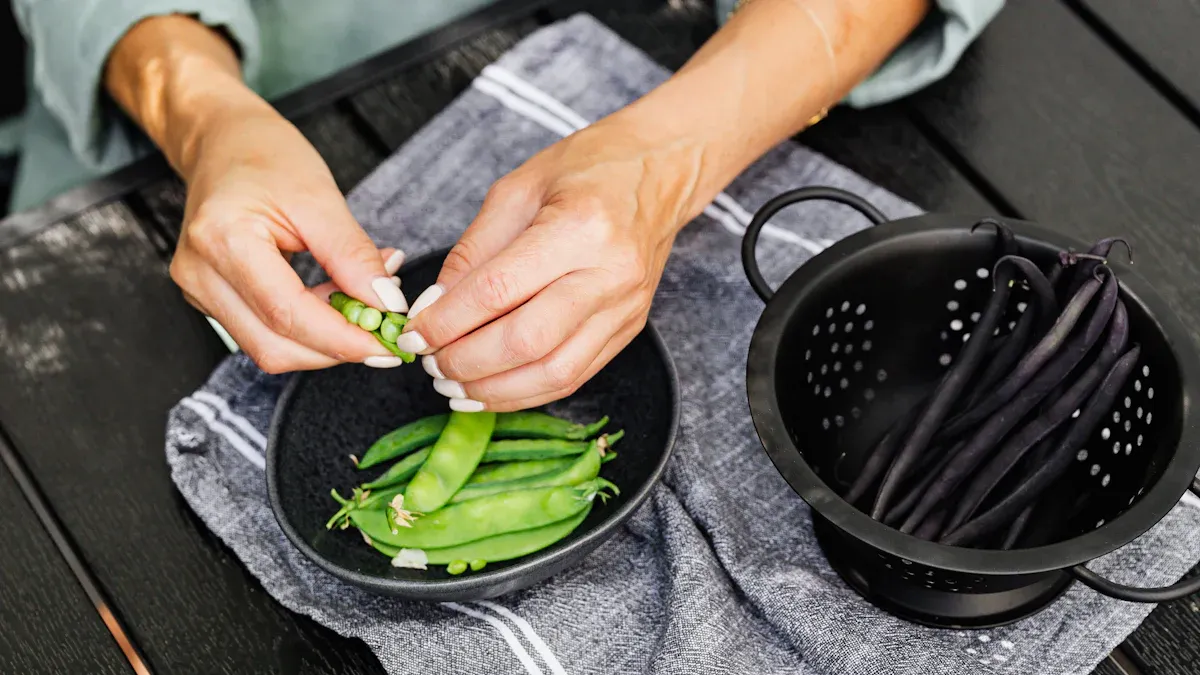
After picking, you need to shell and wash your peas. Wash pods under cold running water to remove dirt. Pat them dry with a clean towel so they don’t slip in your hands. Sort through the pods and choose the plumpest ones for shelling first.
Chill the pods in the fridge for half an hour. This makes cracking easier. Work in small batches to keep peas cool and fresh. Split the pods open and drop the fresh shelled peas into a bowl. Keep another bowl nearby for empty pods.
If you want to preserve your peas, blanch them for 30 to 45 seconds in salted boiling water. Then transfer them to an ice bath. This stops cooking and keeps the color bright. Drain well before using or freezing. You’ll notice that fresh shelled peas taste sweet and crisp, perfect for salads or snacks.
Tip: Shell peas soon after picking. Fresh shelled peas split easily and stay tender.
How to Cook Peas
You don’t need to soak fresh peas before cooking. You can cook garden fresh peas quickly and easily. Each method brings out a different flavor and texture. Let’s look at what you can do with garden peas.
Boiling
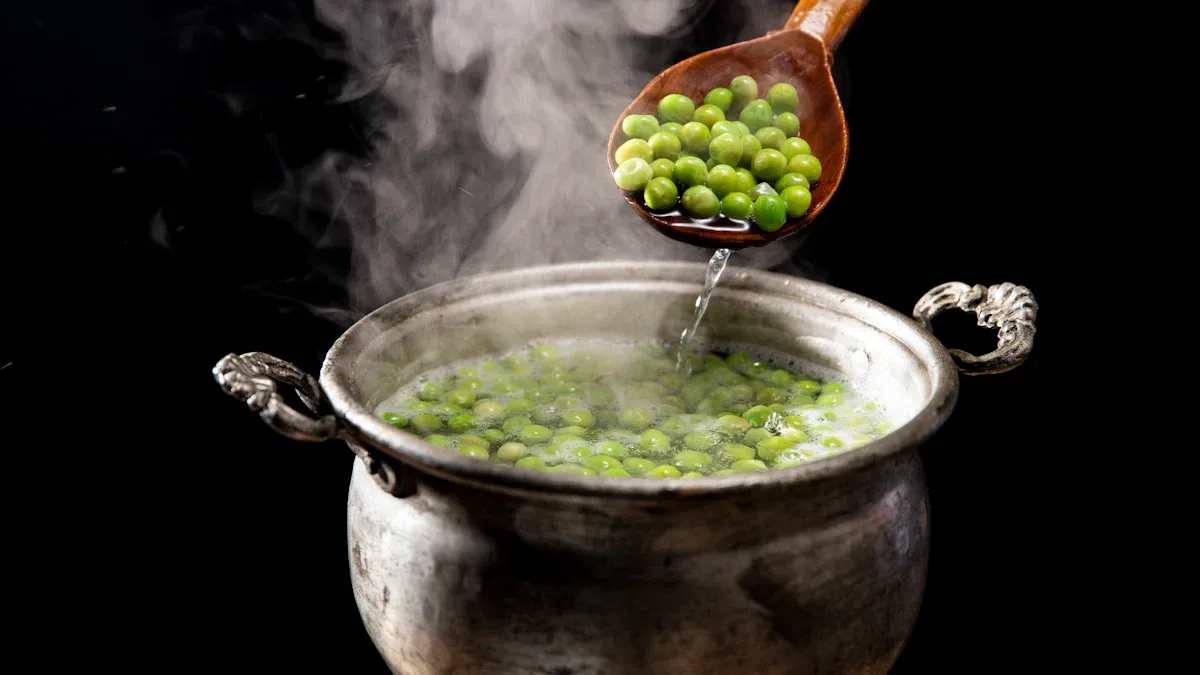
Boiling is one of the fastest ways to cook garden fresh peas. You keep their sweet flavor and bright color if you don’t overcook them. Here’s what you do:
Fill a saucepan with water and bring it to a hard boil.
While the water heats, shell your peas and rinse them in a colander. You should have about 2 ½ cups of peas.
Drop the peas into the boiling water. Boil for about 60 seconds. When the peas float to the top, they’re ready.
Drain the peas right away. Toss them with butter and a pinch of salt.
Tip: Boil garden fresh peas for 1-4 minutes. If you want firmer peas, stick to 1-2 minutes. Overcooking makes peas mushy and dull.
Steaming
Steaming helps you cook garden fresh peas while keeping most of their nutrients. You get tender peas with a fresh taste. Steaming is better than boiling if you want to keep vitamins and color.
Place peas in a steamer basket over boiling water.
Cover and steam for 2-4 minutes.
Check for tenderness. The peas should look bright green and taste sweet.
Remove from heat and serve right away.
Steaming keeps more vitamin C and antioxidants in your peas. You also get a firmer texture compared to boiling.
Sautéing
Sautéing gives fresh peas a rich flavor and a little crispness. You can use butter, olive oil, or peanut oil. Here’s how to cook garden fresh peas in a skillet:
Melt butter or heat oil in a large skillet over medium heat.
Add chopped onion and cook for 5 minutes until soft. Stir in garlic and cook for 30 seconds.
Add peas and a splash of broth. Season with salt and pepper. Stir well.
Cook for 5-10 minutes until most liquid is gone and peas are tender.
Garnish with fresh dill or lemon wedges.
Butter and olive oil make peas taste richer. Peanut oil gives a nutty flavor if you want something different.
Microwave
You can cook garden fresh peas in the microwave if you want a fast snack or side dish. This method keeps peas moist and sweet.
Trim any brown spots off the peas. Cut into bite-sized pieces if needed.
Put peas in a microwave-safe bowl. Add 2 tablespoons of water. Cover with a saucer or lid.
Microwave on high for 3-5 minutes. Stir halfway through if you like.
Use oven mitts to remove the bowl. Take off the cover carefully.
For 2 cups of peas, add ¼ cup water and microwave for 4 minutes. The peas will be tender and ready to eat.
Raw
You can eat garden peas raw. Raw peas taste crisp and sweet. They work well in salads, snacks, or as a topping. Raw peas keep all their fiber, protein, and vitamins. Here’s a quick look at what you get from eating fresh peas raw:
Nutritional Benefit | Description |
|---|---|
Good Source of Fiber | Helps digestion and gut health. |
High in Protein | Great for vegetarians and vegans. |
Rich in Vitamins and Minerals | Folate, manganese, vitamin C, and more. |
Stabilizes Blood Sugar Levels | Low glycemic index helps keep blood sugar steady. |
Supports Heart Health | Fiber, potassium, and antioxidants help your heart. |
Improves Gut Health | Fiber keeps digestion regular. |
Reduces Cancer Risk | Antioxidants may help protect against cancer. |
Low Calorie | Peas are low in calories and fats. |
Raw garden peas have a firm texture and a fresh, sweet flavor. Cooked peas become softer and taste even sweeter. Both ways are healthy and tasty.
Peas keep a low glycemic index whether raw or cooked. Cooking makes starches easier to digest, but peas still help keep blood sugar stable.
Common Mistakes to Avoid
Don’t overcook peas. You lose color, flavor, and texture.
Don’t add peas too early to dishes. They get mushy and lose sweetness.
Boiling for too long makes peas soggy and less nutritious. Steaming or sautéing works better for flavor and nutrition.
You can cook garden fresh peas in many ways. Try boiling, steaming, sautéing, microwaving, or eating them raw. Each method gives you a new taste and texture. Quick cooking keeps peas sweet and crisp.
Seasoning & Serving
Basic Seasoning
You want to bring out the natural sweetness of peas. The most popular way is to toss them with melted butter or a splash of hot cream. You can sprinkle chopped fresh herbs like parsley or mint for extra flavor. Adjust salt and pepper after cooking. This helps balance the sweetness from the peas with a savory touch. Try these simple ideas:
Melted butter or hot cream
Chopped parsley or mint
Salt and pepper to taste
These basics make garden peas taste fresh and delicious every time.
Flavor Variations
You can explore many flavor combinations with peas. Different cuisines use peas in creative ways. Here are some favorites:
Halibut with sweet pea sauce works well with grilled lamb chops or chicken.
Classic French peas and butter lettuce cook in lettuce moisture, perfect with roast chicken.
Green pea soup with mascarpone is a fresh spring meal.
Spring pea salad highlights the sweet taste, great with fish or meat.
Italian peas use chicken stock and garlic for a rich flavor.
Balsamic pea salad mixes peas with creamy dressing and bacon bits.
Spring peas and pearl onions create a classic side.
Try mixing and matching these ideas to find your favorite.
Serving Ideas
Peas fit into almost any meal. You can serve them as a side dish or make them the main course by adding grilled shrimp or chicken. For parties, present peas in small cups with mint or pistachios. Pair peas with crusty bread or crackers for a complete meal. Make a light salad with snap peas, chives, and new potatoes. Crostini with ricotta and peas makes a tasty vegetarian snack.
To keep fresh peas bright and crisp, blanch them before freezing. Drop peas in boiling water for about a minute and a half, then cool them quickly in ice water. This keeps the color and texture perfect.
Cooking garden fresh peas is easy. Here’s what you do:
Shell the peas and open the pods.
Cover peas with water and boil for 3–4 minutes.
Drain, then stir in butter, salt, and pepper.
Add fresh mint if you like.
Quick cooking keeps peas sweet and bright.
Try boiling, steaming, or eating them raw.
Simple seasoning makes peas taste fresh every time.
FAQ
What is the fastest way to cook garden fresh peas?
You can microwave peas in just a few minutes. Add water, cover, and heat. The peas stay sweet and bright green.
What should you do if peas taste starchy?
Try boiling or steaming peas for one minute. Add a pinch of salt and a little butter. This brings out their natural sweetness.
What can you serve with cooked peas?
You can pair peas with grilled chicken, fish, or pasta. Toss them in salads or serve as a simple side with fresh herbs.