You can make Chinese Hot Mustard at home in just minutes. All you need is dry mustard powder and cold water. If you want a tangy kick, try adding a splash of rice vinegar or a pinch of salt.
Tip: You don’t need to cook anything-just mix and enjoy right away!
Key Takeaways
Making Chinese Hot Mustard is quick and easy. Just mix dry mustard powder with cold water for a spicy condiment.
Customize your mustard by adding rice vinegar, salt, or honey to enhance the flavor and adjust the heat level.
Store your homemade mustard properly to maintain its freshness and spiciness. Use airtight containers and make small batches for the best taste.
Chinese Hot Mustard Recipe
Ingredients
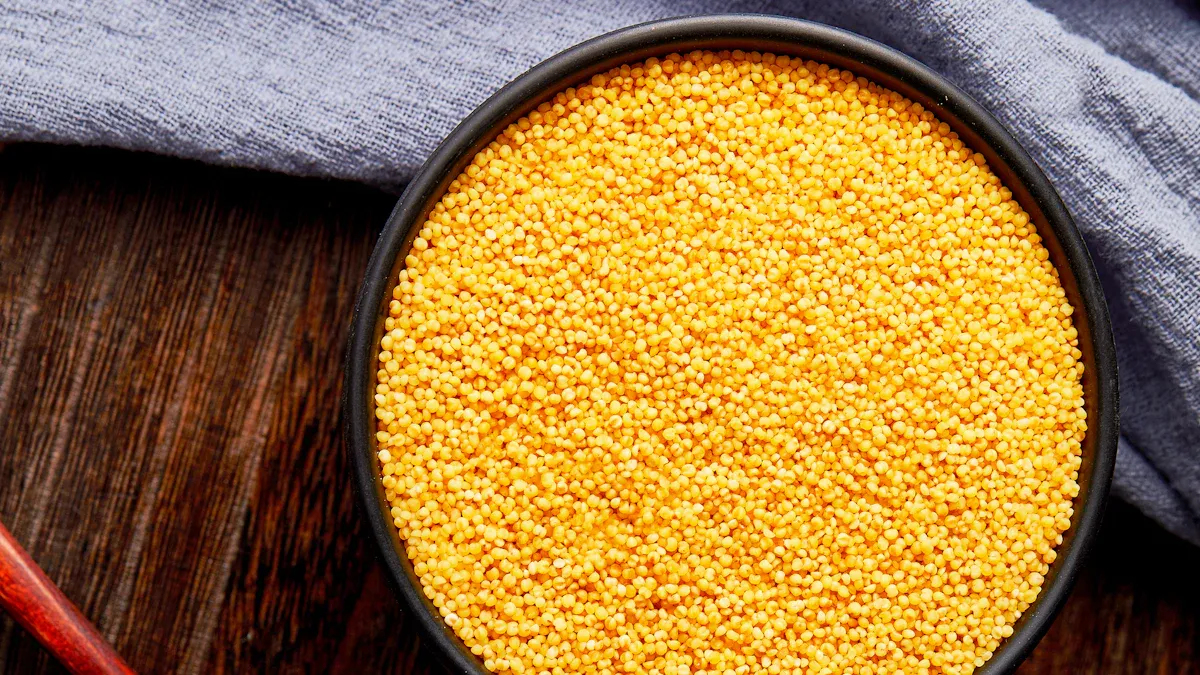
You only need a few things to make Chinese Hot Mustard at home. Most recipes use simple ingredients, so you can whip up a batch in no time. Here’s what you’ll need:
Dry mustard powder (brown mustard seeds work best)
Cold or ice water
Optional add-ins: rice vinegar, salt, honey, or white pepper
If you want to try different brands of mustard powder, check out this table for some popular choices:
Brand Name | Description | Link |
|---|---|---|
MUSTARD POWDER, CHINESE, HOT | Hot Chinese Mustard Powder available for wholesale. | MySpicer |
Beaver Brand Chinese Mustard | A blend of smooth spice ideal for Asian dishes. | Beaver Brand |
S&B Oriental Hot Mustard Powder | Known for its bold, spicy flavor, used in various Asian cuisines. | S&B |
If you want to know how homemade Chinese Hot Mustard compares to store-bought, here’s a quick look:
Type | Homemade Version | Commercial Version |
|---|---|---|
Main Ingredient | Brown mustard seeds | Often includes flour and flavoring agents |
Preparation | Ground into powder and mixed with water | May contain additional spices and additives |
Flavor Profile | Simpler and spicier | Milder and more complex |
Additional Ingredients | Rarely includes additives | Often includes various flavoring agents |
Instructions
Making Chinese Hot Mustard is super easy. You don’t need any fancy equipment or cooking skills. Just follow these steps:
Measure your ingredients.
Use twice as much mustard powder as cold water. For example, mix 2 tablespoons of mustard powder with 1 tablespoon of cold water. If you want extra tang, swap water for rice vinegar.Mix it up.
Stir the mustard powder and cold water together until you get a smooth paste. Cold water is important because it keeps the heat strong. If you use hot water, the mustard will taste milder.Let it sit.
Set the paste aside for 10 to 15 minutes. This gives the enzymes time to work and makes the mustard even hotter. The magic happens when the enzyme myrosinase breaks down sulfur compounds like sinigrin. This reaction creates a spicy oil that gives Chinese Hot Mustard its famous kick.
Tip: If you want to boost the flavor, add a dash of white pepper, a splash of rice vinegar, or a pinch of salt. Honey is another popular add-in if you like a touch of sweetness.
Ready to serve.
No cooking needed! Your Chinese Hot Mustard is now ready to use. Try it with dumplings, egg rolls, or roasted meats.
Here’s a quick look at how rice vinegar and salt change the flavor:
Base Liquid | Flavor Notes | Heat Level | Best For |
|---|---|---|---|
Rice Vinegar | Tangy, complex | Moderate | Dipping sauces, dumplings |
Why Make Chinese Hot Mustard at Home?
You might wonder why people make Chinese Hot Mustard themselves. The answer is simple: homemade mustard is fresher, spicier, and you can adjust the flavor to your liking. You only need a couple of ingredients, and you get a condiment that’s much hotter than store-bought versions.
How Hot Is Chinese Hot Mustard?
Chinese Hot Mustard packs way more heat than Dijon or yellow mustard. The brown mustard seeds used in Chinese Hot Mustard are much hotter. Dijon mustard has a gentle heat, while yellow mustard is the mildest.
Chinese Hot Mustard is significantly hotter than Dijon and yellow mustard.
Dijon mustard has a lingering heat but is less spicy than Chinese Hot Mustard.
Yellow mustard is mild with just a hint of heat.
Health Benefits and Nutrition
Chinese Hot Mustard is low in calories and fat. It contains antioxidants like glucosinolates and isothiocyanates, which may help protect against disease. Some people use it for its antimicrobial properties. Just remember, eating too much can cause stomach pain or affect your thyroid.
Nutrient | Amount per 5 g serving |
|---|---|
Calories | 10 |
Fat | 0.5 g |
Protein | 0 g |
Carbohydrates | 1 g |
Sugar | 0 g |
Dietary Fiber | 0 g |
Saturated Fat | 0 g |
Cholesterol | 0 mg |
Vitamin C | 0.0 mg |
Iron | 0.00 mg |
Calcium | 0.00 mg |
Note: If you have thyroid issues or sensitive skin, use Chinese Hot Mustard in moderation.
Variations and Serving
Add-Ins
You can get creative with your Chinese Hot Mustard by trying different add-ins. Brown mustard powder gives you that classic sharp heat and a flavor that reminds many people of horseradish. When you mix the powder with water, a chemical reaction happens. This makes the mustard even spicier and gives it a strong aroma. If you want to try something new, you can use black mustard powder for an even bolder kick.
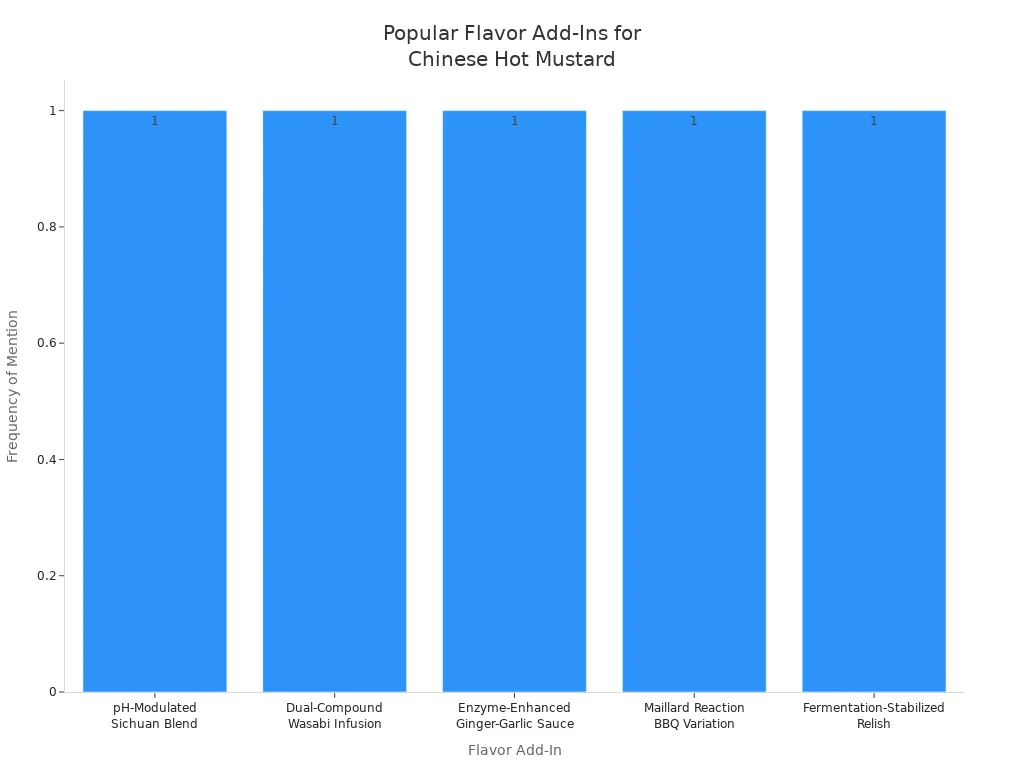
Many people in the West like to add extra flavors to their mustard. Here are some popular choices:
Flavor Add-In | Ingredients | Method Description |
|---|---|---|
pH-Modulated Sichuan Blend | Mustard paste + 2g freshly toasted Sichuan peppercorns (finely ground) | Grind peppercorns and blend into mustard after vinegar stabilization |
Dual-Compound Wasabi Infusion | Mustard base + 5g fresh wasabi rhizome (grated) | Combine pastes right before serving |
Enzyme-Enhanced Ginger-Garlic Sauce | Mustard base + 10g microplaned ginger + 3g minced garlic | Add aromatics after vinegar stabilization |
Maillard Reaction BBQ Variation | Mustard base + 5ml smoked paprika oil + 8ml blackstrap molasses | Heat molasses before blending to develop caramel notes |
Fermentation-Stabilized Relish | Whole mustard seeds, rice vinegar, sugar, chili flakes | Simmer, cool, and refrigerate |
Serving Chinese Hot Mustard
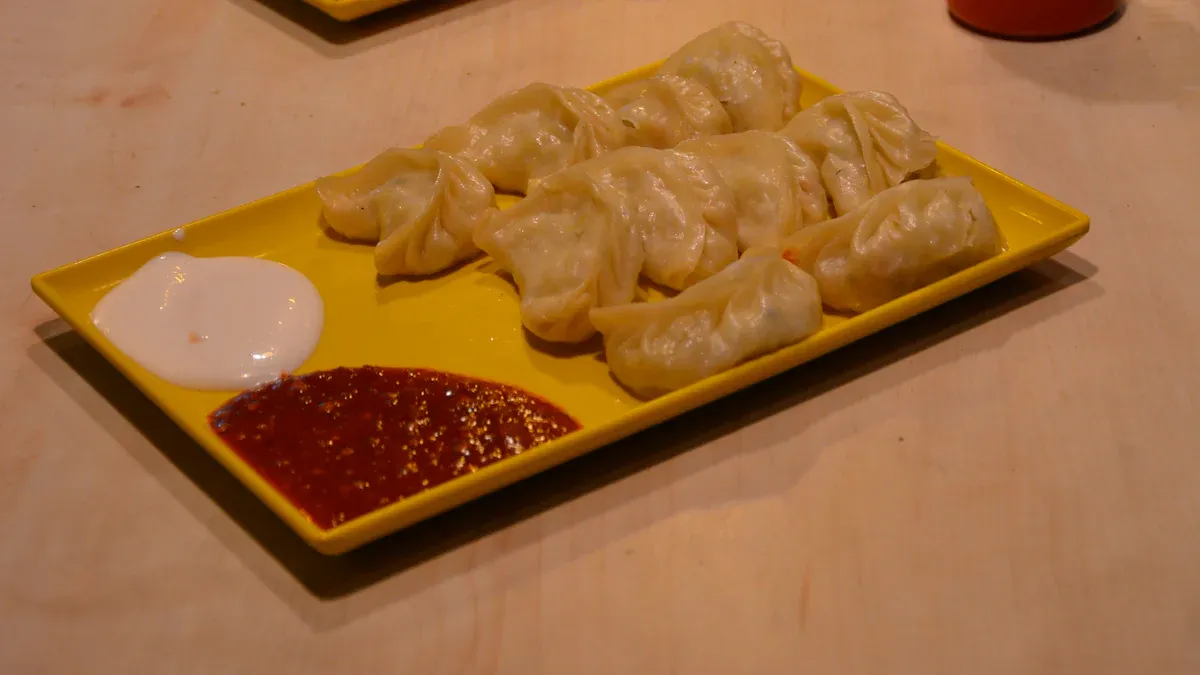
You can serve Chinese Hot Mustard with many dishes. It works great as a dip or a spread. Here are some classic pairings:
Dish | Description |
|---|---|
Egg Rolls | Commonly served with duck sauce and mustard. |
Cantonese Poached Chicken | Dipped in hot mustard made with dry mustard powder and water. |
Dim Sum | Often enjoyed with hot mustard for dipping. |
Try it with roasted meats, steamed buns, or even as a zesty sandwich spread. You can also mix it into salad dressings for a spicy twist.
Storage Tips
To keep your mustard fresh and spicy, you need to store it the right way. Here are some tips:
Use vacuum-sealed bags with nitrogen flush to keep it strong for up to 6 months.
Store in glass containers with oxygen-absorbing lids to help the enzymes last longer.
Add a thin layer of refined avocado oil on top to stop air from getting in.
Make small batches so your mustard always tastes fresh.
Use amber glass jars to block out light and protect the flavor.
Keep in mind, the heat of Chinese Hot Mustard changes over time:
The mustard will start to mellow after about two weeks in the fridge.
It can take 4-8 weeks for the heat to really cool down.
The temperature when you first make it can change how long it stays spicy.
Tip: If you want the hottest flavor, use your mustard soon after making it!
You can make Chinese Hot Mustard in minutes with just mustard powder and water. Try different add-ins to match your taste. This spicy condiment stands out for its sharp heat and versatility. Use it to boost flavor in many dishes and enjoy a unique sensory experience at home.
FAQ
Can I use regular yellow mustard powder instead of Chinese mustard powder?
You can use yellow mustard powder, but the flavor will be much milder. Chinese mustard powder gives you that strong heat and sharp taste.
How do I make my Chinese Hot Mustard less spicy?
Try adding a little honey or more water. You can also let the mustard sit longer before serving. The heat will mellow over time.
Is Chinese Hot Mustard gluten-free?
Most pure mustard powders are gluten-free. Always check the label for added ingredients. If you have allergies, look for certified gluten-free brands.