

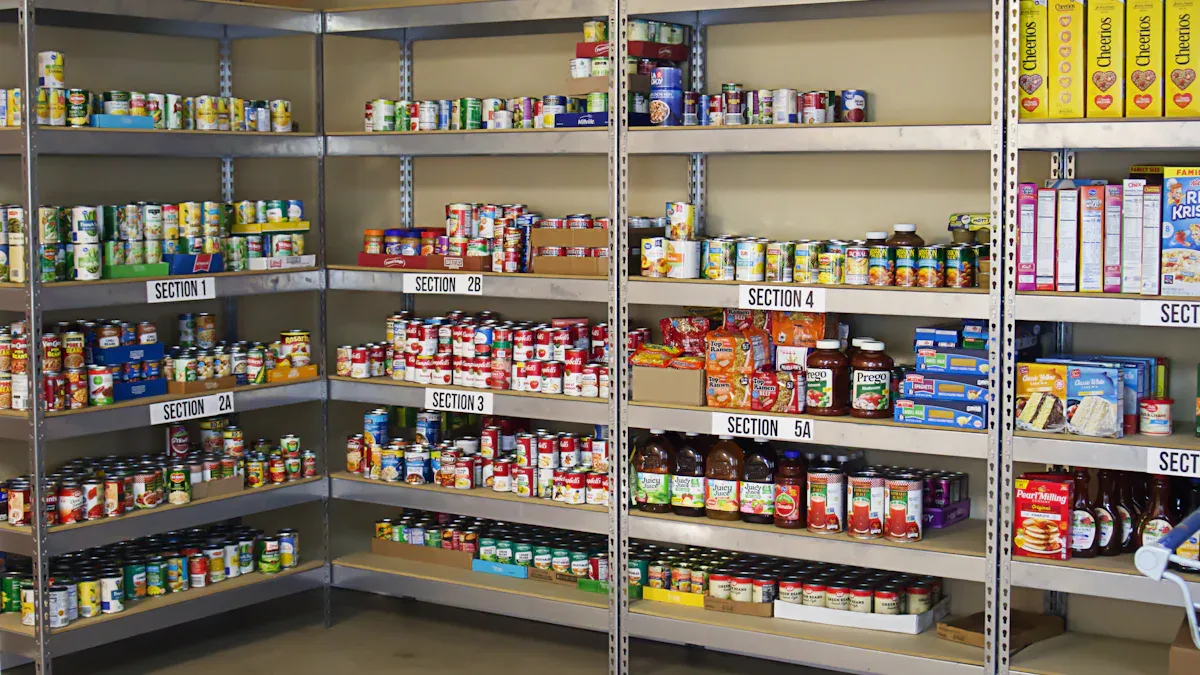
You can make a real difference in your community. Every year, millions of families struggle to get enough food. In 2023, about 13.5% of U.S. households-roughly 18 million-experienced food insecurity. Many neighborhoods still lack easy access to nonperishable food items, even though there are over 3,700 food pantries nationwide. When you Start a Food Pantry, you help meet a local need, support outreach, and begin promoting your food pantry as a safe place for support.
Key Takeaways
Define a clear mission for your food pantry. Focus on community needs and consider including education and advocacy in your goals.
Research local resources and identify gaps in food assistance. Understanding your community’s needs helps tailor your pantry’s services effectively.
Follow legal steps to register your pantry as a nonprofit. Compliance ensures you can serve those in need and access food donations.
Build a strong team of volunteers. Create a welcoming environment and recognize their contributions to keep them motivated.
Engage with local organizations for partnerships. Collaborating with businesses and nonprofits can enhance your pantry’s resources and outreach.
Define Your Purpose and Community Needs
Set Your Mission
You need a clear mission before you start a food pantry. Your mission guides every decision and helps you stay focused. Most successful food pantries choose missions that go beyond handing out food. Some focus on building strong community ties. Others work to break the cycle of poverty and food insecurity. You can include local farms or gardens in your mission to connect people and offer fresh options. Many pantries also add education and advocacy to their mission. They teach families about healthy eating and speak up for better food access.
Tip: Write your mission statement in one or two sentences. Make it easy to remember and share with others.
Here are common mission focuses:
Provide food and support to families in need.
Build partnerships with local groups and businesses.
Address the root causes of hunger in your area.
Offer education and resources for healthy living.
Use technology to make food assistance simple and private.
Start small urban farms to grow fresh produce for your pantry.
You can look at this table for ideas:
Mission Focus | Description |
|---|---|
Community Engagement | Meet people where they are and blend care with new solutions. |
Partnerships | Work with local groups to gather resources and offer more programs. |
Addressing Root Causes | Make sure no child or parent faces hunger by tackling deeper problems. |
Research Local Resources
You need to know what resources already exist in your area. This helps you avoid repeating services and lets you find partners. Many communities have groups like Feeding America, Central Texas Food Bank, or the Emergency Food Assistance Program. These organizations offer food, training, and support for new pantries. You can reach out to them for advice or help with supplies.
Feeding America connects you with food and volunteers.
Central Texas Food Bank supports thousands of people each year.
Emergency Food Assistance Program gives you training and guidelines.
Note: Local government offices and nonprofits often have lists of food pantries and programs. Ask for these lists to see what is available.
Identify Gaps
You need to find out what your community needs most. Start by looking at who uses food pantries and what they want. Many people want to choose their own food, feel welcome, and have an easy selection process. You can talk to families, visit other pantries, or use surveys to learn about community needs.
Some ways to identify gaps:
Use mapping tools like the USDA-ERS Food Access Research Atlas. These show which neighborhoods lack healthy food stores.
Check Feeding America’s Map the Meal Gap to see hunger levels in your county.
Look at GPS and GIS data to track changes in food access.
Use surveys like FoodAPS to learn about food buying habits and barriers.
Ask about non-food needs, like help with jobs or housing.
Method/Tool | Description |
|---|---|
GPS and GIS Data | Track food environments and buying patterns in real time. |
Disaggregated Data | Find out which groups face the most food insecurity and tailor your help. |
USDA-ERS Food Access Research Atlas | Map food access by census tract and spot areas with low access. |
Feeding America’s Map the Meal Gap | See hunger rates by age and race in your county. |
You may notice some gaps in food assistance. For example, SNAP benefits often do not cover the full cost of meals. Some counties have higher food prices than the maximum benefit allows. Many studies miss the needs of marginalized groups because of limited data. You can use both surveys and interviews to get a better picture of community needs.
Callout: When you know your community needs, you can shape your mission and programs to fill those gaps. This makes your pantry more effective and trusted.
Starting a Food Pantry: Legal and Setup Steps
Register and Comply
When you start a food pantry, you need to follow some legal steps. You must register your pantry as a nonprofit organization. This lets you serve low-income and unemployed households and respond to emergencies. You can get food from private donations or other suppliers. Each state has its own rules, so check what applies to you.
In California, you must register with the state health department.
Texas gives tax exemptions for food donations to pantries.
New York requires food safety training for pantry volunteers.
The Emergency Food Assistance Program (7 USCS § 7501) defines and regulates food pantries.
Tip: Contact your local health department or food bank for help with paperwork and rules. They can guide you through the process and answer questions.
You need to keep records of your food sources and who you help. This helps you stay compliant and shows your impact. When starting a food pantry, you should also learn about civil rights training. This is required for anyone who works directly with clients or handles private information.
Choose a Location
Picking the right spot is key when you start a food pantry. You want your pantry to be easy for everyone to reach. Look for a place that is simple to navigate, even for people who use wheelchairs or walkers. You should design the space so several shoppers and their support persons can move around without trouble.
Here are things to consider:
Physical accessibility for all clients.
Systems to manage waiting times and reduce stress.
Layout that lets people shop with dignity and privacy.
A mix of food options, including prepared meals for those who cannot cook.
A welcoming and calm atmosphere.
Note: Visit other pantries to see what works. Ask your community what they need in a location. This helps you avoid mistakes and makes your pantry more inviting.
When starting a food pantry, you should also think about parking, public transit, and safety. You want people to feel comfortable coming to your pantry. If you can, choose a spot near schools, clinics, or community centers. This makes it easier for families to get help and reduces food insecurity in your area.
Food Safety Basics
Food safety matters when you start a food pantry. You want to keep everyone healthy and safe. You need to follow rules for handling, storing, and preparing food. Training your staff and volunteers is important. Many states require food safety training for pantry workers.
Here is a table with basic food safety guidelines:
Category | Guidelines |
|---|---|
Safe Handling | Clean hands and surfaces often. Don’t cross-contaminate. Cook to proper temperatures. Refrigerate promptly. |
Shopping | Buy refrigerated or frozen items after nonperishables. Avoid meat or poultry in torn packaging. |
Storage | Refrigerate perishable food within 2 hours (1 hour above 90 °F). Check fridge (40 °F or below) and freezer (0 °F or below) temps. Cook or freeze fresh meats quickly. |
Thawing | Use fridge, cold water, or microwave for safe thawing. |
Preparation | Wash hands before and after handling food. Avoid cross-contamination. |
Cooking | Cook meats to safe temperatures (145 °F for beef, 160 °F for ground meats, 165 °F for poultry). |
You need to train your team in food safety. Here are common training types:
Training Type | Description |
|---|---|
TEFAP Civil Rights Training | Annual training for staff and volunteers with direct client contact or confidential info. |
Safe Food Handling Practices | Resources for pantry and meal program workers to ensure safe food handling. |
Food Safety Training Videos | Videos to teach staff and volunteers about food safety practices. |
Alert: Food safety protects your clients and your reputation. When starting a food pantry, make safety a top priority.
You can find free training online or through local food banks. Make sure everyone knows how to keep food safe. This helps you fight food insecurity and build trust in your community.
Build Your Team and Engage the Community
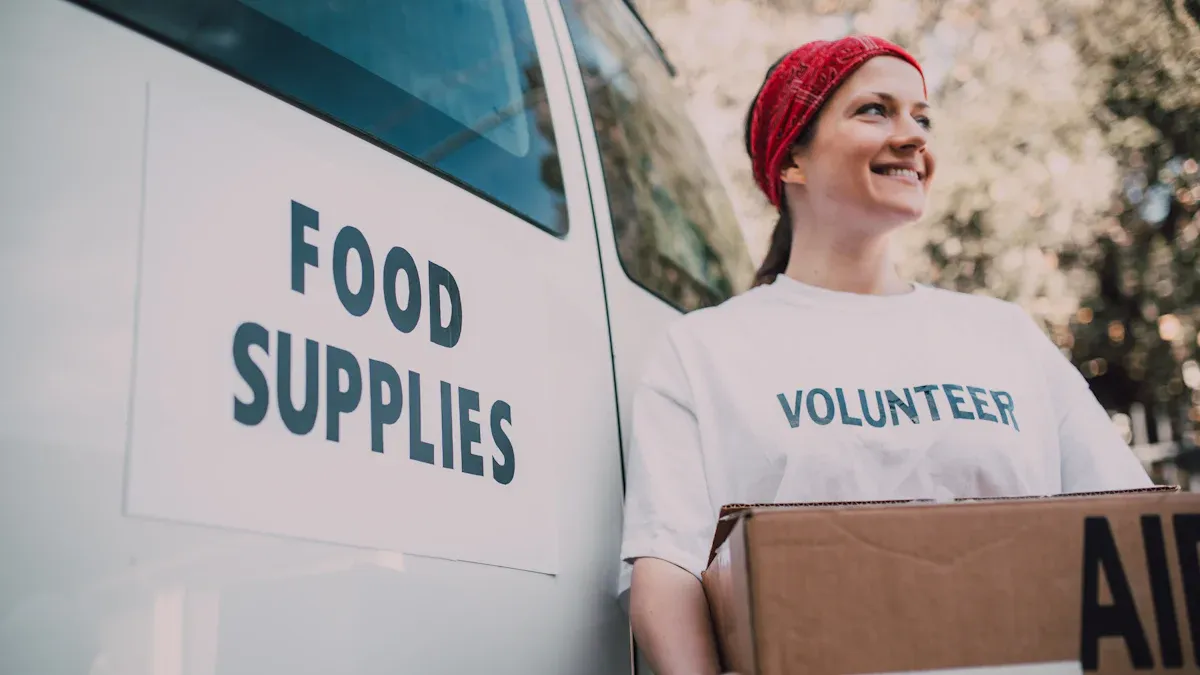
Recruit Volunteers
You need a strong team of volunteers to start a food pantry that makes a real impact. What attracts volunteers? A welcoming environment and a clear sense of purpose. You can show the impact your pantry has on the community to spark interest. Make the volunteering process simple so people feel comfortable joining. Recognize and appreciate volunteers for their time and effort. This helps you keep your team motivated and coming back.
Create a friendly space for volunteers.
Share stories about your pantry’s impact.
Make sign-up easy and quick.
Thank volunteers often and publicly.
You can also improve retention by offering flexible schedules and asking for feedback. Volunteers like to feel heard and valued. Here’s a look at what influences volunteer retention:
Factor Influencing Retention | Description |
|---|---|
Initial Motivation | Why volunteers join, like wanting to help or learn new skills. |
Satisfaction | How happy volunteers feel with their role. |
Management Practices | Support and organization you provide. |
Social Connections | Friendships formed while volunteering. |
Role Clarity | Clear tasks and expectations. |
Age of Volunteers | Different age groups have different needs. |
Burnout | Too much work or not enough support. |
Competing Commitments | Other priorities in volunteers’ lives. |
Form Partnerships
You can build a stronger pantry by forming partnerships with local organizations. What groups help most? Local churches, schools, nonprofits, healthcare providers, social service agencies, businesses, and advocacy groups. These partners offer space, volunteers, resources, and expertise. Grocery stores and restaurants often donate surplus food or supplies. Building relationships with these businesses keeps your pantry stocked and connects you with more people.
Local churches may provide space and volunteers.
Schools help spread the word.
Nonprofits link you to other resources.
Healthcare providers support nutrition.
Social service agencies reach those in need.
Businesses offer donations and community support.
Advocacy groups help address hunger’s root causes.
Some pantries, like PRISM, work with stores such as Cub Foods to get fresh food donations.
Gather Feedback
You want to know what works and what needs improvement. What methods help you gather feedback? On-the-spot exit surveys, phone follow-ups, volunteer debrief circles, and partner check-ins all give you valuable insights. You can also analyze your numbers and use community mapping to spot underserved areas. Regular client surveys help you understand preferences and needs. Always collect feedback privately and anonymously to build trust and accountability.
Use quick exit surveys or QR codes.
Call clients for deeper feedback.
Hold volunteer debriefs after events.
Check in with partners for their thoughts.
Track service numbers and map guest locations.
Distribute client surveys regularly.
Feedback helps you shape your pantry to better serve your community and keep volunteers engaged.
Sourcing Food and Innovative Access
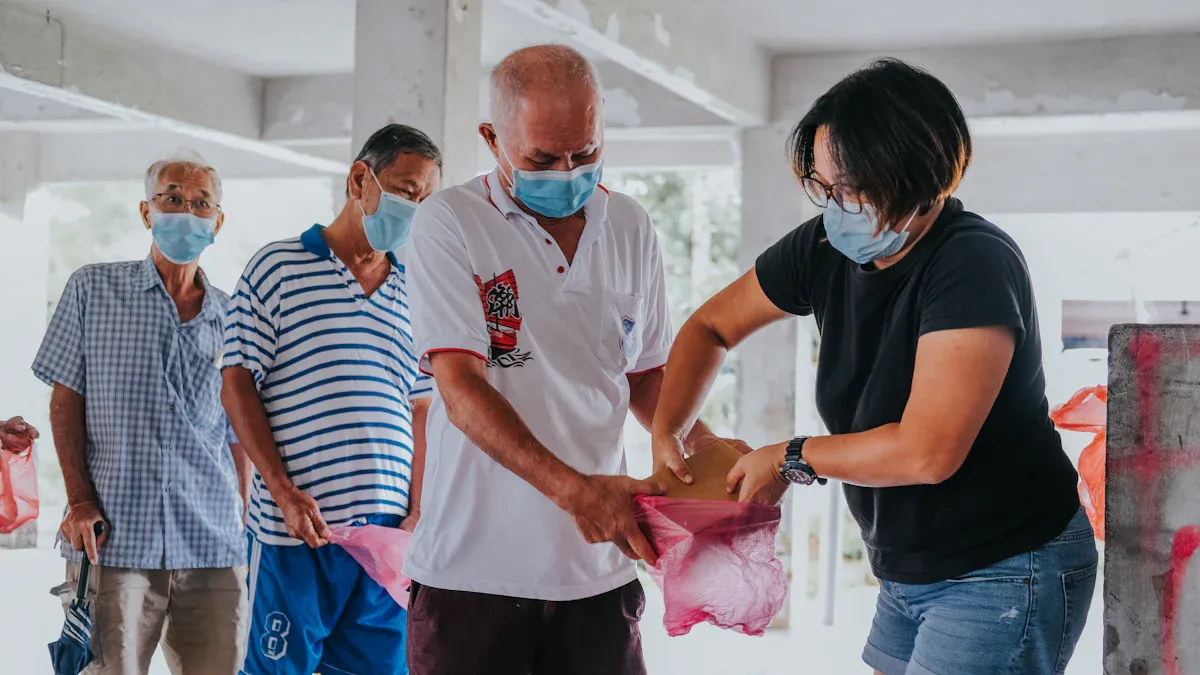
Get Donations Locally
What are the best ways to get donations for your food pantry? You can use creative campaigns, like Canstruction, to encourage businesses and schools to donate canned goods. Hosting engaging events, such as a “Camp Out for Hunger,” brings your mission to life and draws in donations from the community. You can partner with local businesses for direct donations or ask them to sponsor food drives. Many pantries also work with schools, universities, and libraries to set up food recovery programs and host food drives.
Here’s what you can do to build strong relationships for ongoing donations:
Connect with local grocery stores and restaurants for regular food donations.
Set up a weekly or biweekly pick-up schedule.
Work with food rescue groups to collect donations after big events.
Tip: The more visible your pantry is, the more likely you are to receive steady donations from your neighbors and local businesses.
Manage Inventory
What helps you keep food safe and fresh in your pantry? You need to store perishable foods at the right temperatures. Keep hot foods at 140°F or higher and cold foods at 40°F or below. Foods that need refrigeration should not stay out for more than two hours. Always wash your hands and use gloves when handling food. Use airtight, leak-proof containers for storage and check produce for freshness.
You can use the “First In, First Out” rule to rotate your stock. This means you give out older items first and keep your inventory safe. Make sure you check expiration dates and remove anything that is past its prime.
Inventory Tip | What It Means |
|---|---|
First In, First Out | Give out older food first |
Temperature Control | Keep cold foods at 40°F or below |
Safe Packaging | Use sealed, food-safe containers |
Quality Checks | Remove food with blemishes or expired dates |
Little Free Pantry & Community Fridge
What makes a little free pantry or community fridge special? A little free pantry gives neighbors a way to share food and sanitary products without restrictions. These pantries are open to everyone and rely on local donations. You can find a little free pantry in many neighborhoods, and each one becomes a symbol of mutual aid.
A little free pantry helps people who may not feel comfortable using traditional food banks. Community fridges work in a similar way. They provide free food and sometimes pre-made meals. Many little free pantry locations offer culturally relevant foods and have signs in different languages.
Hundreds of little free pantry and community fridge sites now serve urban neighborhoods.
A little free pantry often becomes a social hub, where people connect and support each other.
These models help reduce food waste and give people easy access to food.
During the pandemic, food insecurity doubled, and many families turned to a little free pantry for help.
A little free pantry allows you to help your neighbors directly, without paperwork or barriers.
Note: A little free pantry or community fridge can be a powerful tool for building trust and fighting hunger in your area. You can start small, and your little free pantry will grow as more people join in.
Sustainability and Measuring Impact
Fundraising
What fundraising methods help your food pantry stay strong? You can use creative ideas to meet immediate needs and keep your pantry running. Here are some successful ways:
Try a ‘Give a Gift’ fundraiser. People like knowing their donation helps with a specific need.
Ask local businesses for food donations. This builds community support.
Place branded buckets in stores for in-person donations.
Organize food drives. These raise awareness about hunger, though they may cost more to run.
Partner with supermarkets. Customers can donate food directly.
Start farm-to-food bank programs. Fresh produce makes a big impact.
Invite offices to join ‘Fun’draising events.
Hold competitions. Friendly rivalry encourages more donations.
You can also diversify your funding sources to make your pantry sustainable. What works best?
Apply for grants from public and private groups.
Build a base of monthly donors.
Partner with local businesses and civic groups.
Host community events to raise funds and awareness.
Financial Management
What financial practices keep your pantry accountable? You need clear systems to track money and show your impact. Use these tools:
Set up an accounting system for income and expenses.
Create a budget that matches your goals and projects costs.
Write policies for strong financial controls.
Share timely and transparent financial reports with your board.
Use dashboards to make custom reports.
You should prepare these statements:
Statement of financial position (balance sheet)
Statement of activities (income statement)
Statement of cash flows
Statement of functional expenses
These steps help you respond to immediate needs and build trust with donors.
Track Results
What metrics show your pantry’s impact? You can measure how well you fight hunger and serve your community. Use this table to track your results:
Metric Type | Description |
|---|---|
Community Outreach | Tracks the number of people reached or engaged through programs or events, such as meals distributed. |
Program Effectiveness | Evaluates whether specific programs achieve their intended outcomes, like improvements in participant skills. |
You can count meals distributed, survey guests, and check if your programs help people learn new skills. Tracking these numbers helps you see your impact and plan for the future.
You know what steps you need to take to build a successful food pantry. You can start by reaching out for support from friends, neighbors, and local groups. Support comes in many forms-volunteers, donations, advice, and encouragement. Support helps you grow and adapt. Support keeps your pantry strong. Support connects you to your community. Support makes your mission real. Support inspires others to join. Support creates lasting change. What will you do next? Listen to your community and keep finding new ways to support those who need it.
FAQ
What is a food pantry?
A food pantry gives free groceries to people who need help. You can find canned goods, fresh produce, and sometimes personal care items. Pantries help families stretch their budgets and fight hunger in their neighborhoods.
What do you need to start a food pantry?
You need a clear mission, a good location, volunteers, food sources, and basic food safety training. You also need to follow local laws and keep records. Start small and grow as you learn what your community needs.
What foods can you donate to a pantry?
You can donate canned vegetables, rice, pasta, peanut butter, cereal, and shelf-stable milk. Some pantries also accept fresh produce, frozen meats, and hygiene products. Always check with your local pantry for their current needs.
What makes a pantry different from a soup kitchen?
A pantry gives groceries for people to take home. A soup kitchen serves hot meals on-site. You help families cook at home when you support a pantry. Soup kitchens help those who need ready-to-eat food.
What can you do if you want to volunteer?
You can sign up online or visit your local pantry. You might sort food, greet guests, or help with events. Ask what help they need most. Your time and energy make a big difference!