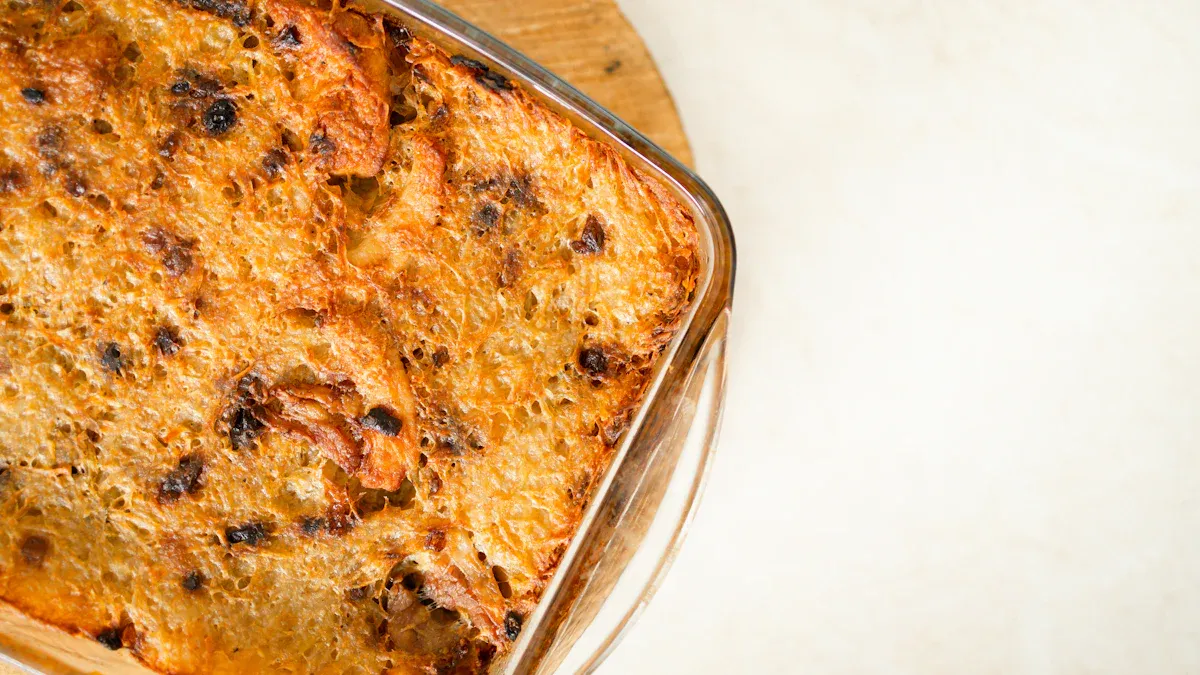
You might wonder what makes moussaka so special. This classic greek comfort food brings together layers of roasted eggplant, rich meat sauce, and smooth béchamel. You get a taste of Mediterranean Comfort Food in every bite. With a traditional moussaka recipe, you can create a dish that feels warm and inviting. Sharing moussaka with family or friends always brings smiles to the table. You can make this at home and enjoy the cozy flavors.
Key Takeaways
Moussaka is a classic Greek dish made with layers of roasted eggplant, meat sauce, and creamy béchamel. It offers a warm and inviting meal perfect for sharing.
You can customize moussaka by using different ingredients. For a vegetarian version, swap meat for chickpeas or lentils. This makes the dish hearty and satisfying.
Salting eggplant before cooking helps remove bitterness and moisture. This step ensures better flavor and texture in your moussaka.
Moussaka can be prepared ahead of time and frozen for later. This makes it a convenient option for busy days or gatherings.
Pair moussaka with fresh salads or roasted vegetables for a balanced meal. This adds nutrition and enhances the dining experience.
Mediterranean Comfort Food
What Is Moussaka?
When you think about Mediterranean comfort food, you probably picture dishes that feel hearty, warm, and full of flavor. Moussaka stands out as a perfect example. This layered Greek casserole brings together fresh ingredients and rich flavors in every bite. You get roasted eggplant, a savory meat sauce, and a creamy béchamel topping. Each layer adds something special, making the dish both satisfying and memorable.
You might wonder what makes Mediterranean comfort food so unique. These dishes often use simple, wholesome ingredients. They focus on vegetables, olive oil, and bold spices. Moussaka fits right in with this tradition. The sauce is rich and savory, filled with warm spices. The eggplant soaks up all those delicious flavors. The creamy, cheesy béchamel topping ties everything together. When you serve moussaka, you offer a meal that feels both comforting and impressive.
Greek Origins and Variations
You may know moussaka as a classic Greek dish, but it has many faces across the Mediterranean. The traditional Greek moussaka recipe usually features layers of eggplant, ground meat, and béchamel sauce. Sometimes, you find potatoes or zucchini in the mix, especially in different regions of Greece. On the Cyclades islands, cooks might use zucchini or artichokes for a lighter version. In Crete, sautéed greens add a fresh twist.
Other countries have their own takes on this Mediterranean comfort food. In Turkey, musakka skips the béchamel and focuses on vegetables and meat in tomato sauce. The Balkans often use potatoes and sometimes skip the layers, making it more like a casserole. In Lebanon, moussaka becomes maghmour, a stew with chickpeas and roasted eggplants, served with rice and bread.
No matter the version, moussaka always brings people together. You can try a Greek moussaka recipe or explore other regional styles. Each one offers a new way to enjoy this traditional Greek recipe and celebrate the flavors of the Mediterranean.
Moussaka Recipe Ingredients
Traditional Ingredients
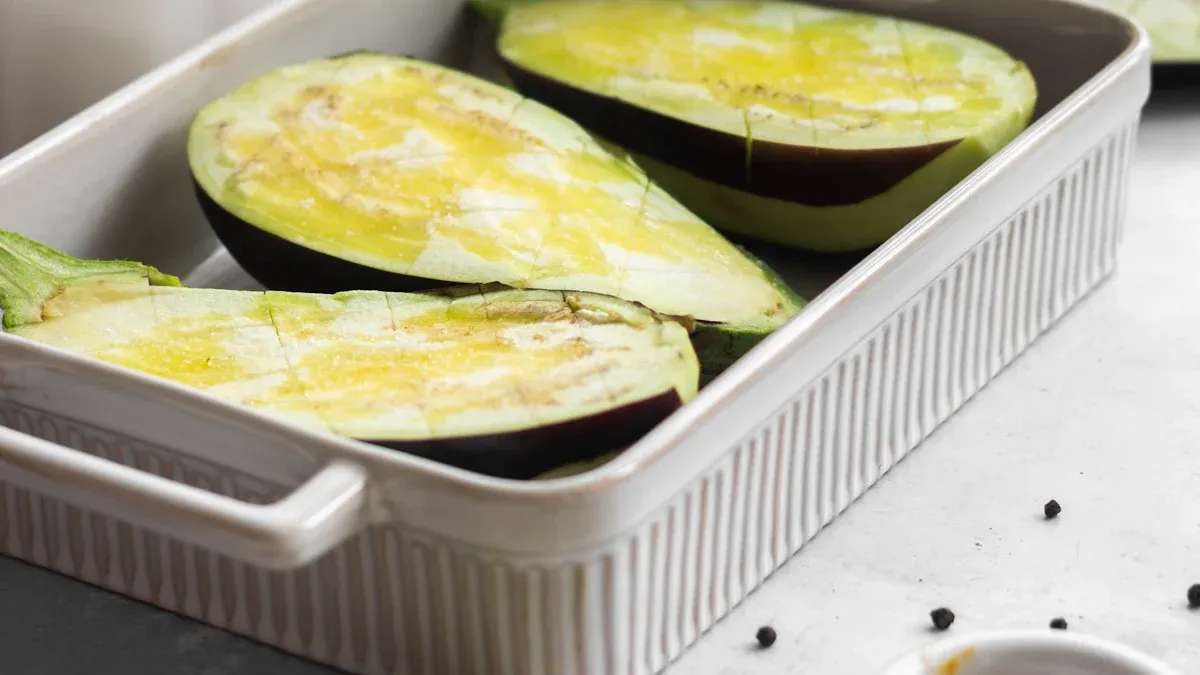
When you look at a classic moussaka recipe, you find a few key ingredients that make this dish so special. You start with fresh eggplants. These give the casserole its signature texture and flavor. You also need a rich meat sauce, usually made with ground lamb or beef. Tomatoes add moisture and a sweet note. Onions and garlic bring depth and a little kick. Warm spices like cinnamon and nutmeg make the sauce taste unique. The final layer is a creamy béchamel sauce, often sprinkled with cheese for a golden finish.
Here’s a quick look at what you need for a traditional moussaka:
Ingredient | Description |
|---|---|
Eggplants | High-quality, essential for the dish |
Meat sauce | Flavorful, typically made with lamb or beef |
Béchamel sauce | Rich, creamy topping sprinkled with cheese |
Tomatoes | Adds moisture and flavor |
Onions | Provides sweetness and depth |
Garlic | Enhances flavor |
Spices (cinnamon, nutmeg) | Adds warmth and complexity |
You can also add potatoes for extra heartiness. Some cooks use zucchini or artichokes, depending on what’s in season.
Substitutions and Adaptations
You might want to change up the ingredients to fit your needs. If you want a vegetarian moussaka, swap out the meat for chickpeas, lentils, or mushrooms. These options make the dish hearty and satisfying. You can double up on eggplant or add carrots, zucchini, or spinach for more nutrition. If you need a gluten-free version, use gluten-free panko breadcrumbs for the topping.
Here are some popular substitutions:
Mashed Potatoes: Replace béchamel sauce for a different texture.
Mushrooms: Add for extra umami flavor.
Vegetables: Carrots, zucchini, or spinach boost nutrition.
Panko Breadcrumbs: Use regular or gluten-free for a crispy top.
You can also use plant-based milks in the béchamel or arrowroot starch instead of cornstarch. These swaps help you make moussaka that fits your diet and tastes great.
How to Make Moussaka
Ready to dive into a greek moussaka recipe? You can make this classic eggplant casserole at home with a few simple steps. Let’s break down what you need to do for each part of a traditional moussaka recipe.
Preparing Eggplant and Potatoes
Start with the layers of roasted eggplant. Cut the eggplant into thick slices, about 3/4 inch. Sprinkle salt on one side and let them sit for 15 minutes. Flip the slices, salt the other side, and wait for 30 minutes. Turn them again, salt once more, and let them rest for another 30 minutes. Rinse the slices well and squeeze them under running water. This step helps remove bitterness and extra moisture. You get better flavor and texture in your moussaka.
For potatoes, you have two choices. You can fry them until golden brown on both sides. Season with a dash of salt for extra flavor. If you prefer baking, rub the potato slices with olive oil. Bake at 425°F until they turn golden and soft, flipping once. Both methods give you a tasty base for your greek moussaka recipe.
Tip: Salting eggplant is key. It draws out moisture and bitterness, so your layers stay firm and soak up the fragrant meat sauce.
Making the Meat Sauce
The meat sauce for moussaka is what gives this dish its heart. Use ground lamb for a traditional moussaka recipe. Lamb brings a rich, authentic taste. If you want a milder flavor, ground beef works too, but it won’t have the same depth.
Start by sautéing onions and garlic in olive oil. Add your ground meat and cook until browned. Stir in tomato paste and chopped tomatoes. Toss in bay leaves, cinnamon, oregano, and a pinch of nutmeg. These spices create a fragrant meat sauce that makes your greek moussaka recipe stand out. Simmer until the sauce thickens and the flavors blend.
Note: Cinnamon and bay leaves add warmth and aroma. They make the meat sauce for moussaka taste special.
Béchamel Sauce
You need a creamy bechamel sauce to finish your moussaka. Melt butter in a saucepan. Whisk in flour and cook for a minute. Slowly add milk, a little at a time, whisking constantly. Use milk at room temperature or gently warmed. Keep the flame moderate when making the roux, then lower it as you add milk. Stir until the sauce thickens and turns smooth. Season with salt, pepper, and a hint of nutmeg.
Here’s what to watch out for:
Measure flour and butter carefully. Use 10 grams of each for every 100 cl of milk.
Add milk slowly. Pouring it all at once can cause lumps.
Keep the heat steady. Don’t rush the process.
Cover the béchamel with foil or parchment while it cools. This stops a crust from forming.
Tip: For a creamy greek bechamel, whisk constantly and don’t let the sauce boil. You want a silky, lump-free texture.
Assembling and Baking
Now you get to build your moussaka. Follow this order for the best results:
Spread the meat sauce for moussaka on the bottom of your baking dish.
Add a layer of roasted eggplant.
Place the potatoes on top.
Pour the creamy béchamel sauce over everything.
This layering gives you a balanced greek moussaka recipe with perfect texture and flavor. Bake your moussaka at 350°F (180°C) for 30 to 40 minutes. Look for a golden brown top layer. The creamy greek bechamel should set and turn slightly crisp.
Tip: Let your moussaka cool for 15 minutes before slicing. This helps the layers hold together and makes serving easier.
You now know what steps to follow for a traditional moussaka recipe. You get layers of roasted eggplant, a fragrant meat sauce, and a creamy bechamel sauce, all baked into a classic greek moussaka recipe. Enjoy sharing this eggplant casserole with friends and family!
Tips and Storage
Make-Ahead and Freezing
You might want to save time by preparing moussaka ahead. Here’s what works best:
Prepare the eggplant and meat sauce up to two days before serving. Store them in the fridge, then make the béchamel and bake on the day you want to eat.
Assemble the whole dish a day or two in advance. Keep it covered in the refrigerator, then bake when you’re ready.
Freeze moussaka for up to three months. Let it cool completely, then wrap tightly in plastic wrap. For extra protection, place it in a freezer-safe container or bag. Label with the date so you remember how long it’s been stored.
You can also bake, cool, portion, and freeze individual servings. This makes quick meals easy.
Moussaka tastes even better the next day, after the flavors have had time to blend.
Here’s a quick table for freezing tips:
Step | What to Do |
|---|---|
Cool completely | Prevents condensation |
Double wrap | Protects from freezer burn |
Label and date | Tracks shelf life |
Reheating Leftovers
Leftover moussaka makes a great meal. You can store cooked moussaka in the fridge for up to five days in an airtight container. When you want to reheat, use your oven for the best results. Preheat to 350°F, cover the dish with foil, and heat for 10 to 15 minutes. Check halfway to make sure it’s warming evenly. Covering with foil helps keep the dish moist and prevents drying out.
Ovens give slow, even heat, which works well for layered casseroles.
Covering with foil keeps moisture in.
Always check the center to make sure it’s hot before serving.
Tip: If you freeze individual portions, you can reheat them straight from the freezer. Just add a few extra minutes to the baking time.
Serving Moussaka
Side Dishes
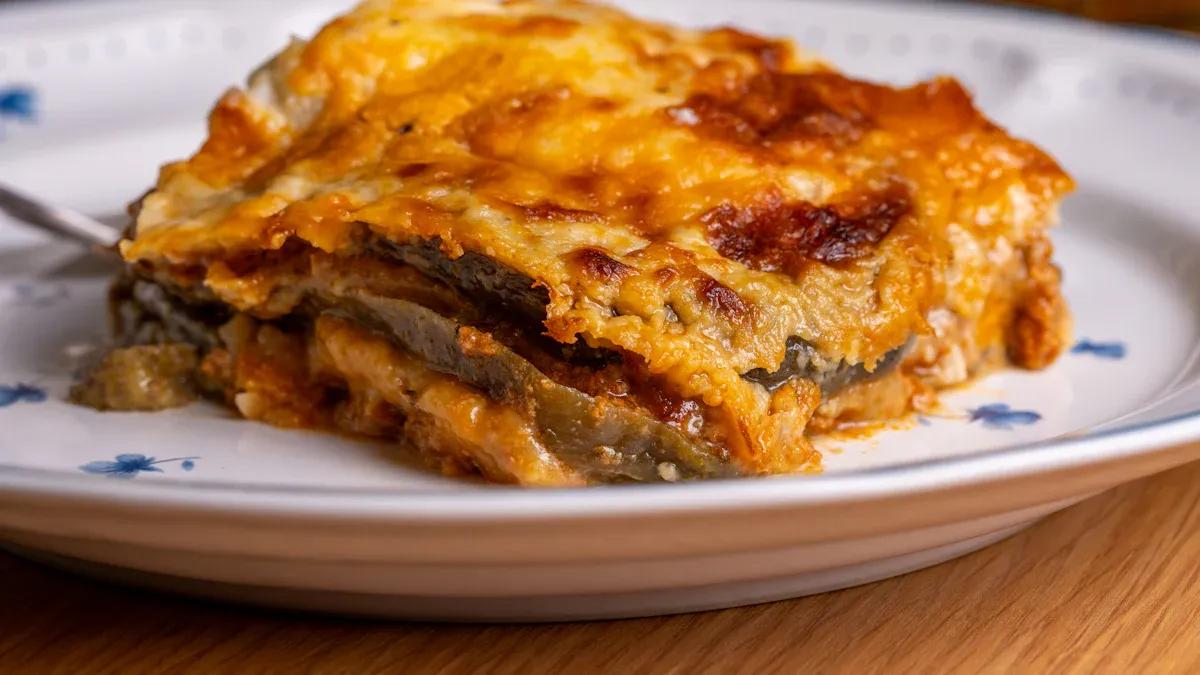
When you serve moussaka, you want to create a meal that feels complete and satisfying. What goes best on the side? You have plenty of options from Greek and Mediterranean cuisine. Here are some traditional choices:
Shirazi Salad: Crisp cucumbers, juicy tomatoes, and red onion make this salad refreshing.
Greek Roasted Potatoes: These potatoes come seasoned with oregano, lemon juice, and garlic.
Greek Tomato Cucumber Salad: Tossed with feta and Kalamata olives, this salad adds a tangy bite.
Greek Lemon Rice: Fluffy rice bursting with lemon and garlic flavors.
Briam: Roasted vegetables like tomatoes, potatoes, and zucchini bring color to your plate.
Homemade Tzatziki: A cool yogurt dip that pairs well with the rich layers of moussaka.
Melitzanosalata: Eggplant dip that matches the flavors in your main dish.
Fasolakia: Tender green beans cooked in tomato sauce.
Grilled Veggie Skewers: Colorful vegetables grilled to perfection.
Gigantes Plaki: Butter beans in a savory tomato sauce.
Tip: Pairing moussaka with fresh salads and vegetable sides adds balance and keeps your meal light.
You also get extra nutrition when you add these sides. Here’s a quick look at what you gain:
Ingredient | Nutritional Benefit |
|---|---|
Tomatoes, Cucumbers, and Bell Peppers | Rich in vitamins A and C, reducing oxidative stress and supporting immune function. |
Feta Cheese | Provides calcium for bone health and protein for tissue repair. |
Olives and Olive Oil | Source of healthy monounsaturated fats linked to lower cholesterol and heart disease risk. |
Beverage Pairings
What should you drink with moussaka? You have many choices, whether you want wine or a non-alcoholic option. Here are some favorites:
Assyrtiko: A crisp Greek white wine from Northern Greece.
Oaked Chardonnay: Rich and smooth, perfect for creamy dishes.
Oak-aged Sauvignon Blanc: Adds body and matches the vegetables.
Darker Rosé: Refreshing and great for summer meals.
Greek Red Wines: Dry and dark-fruited, these reds bring out the flavors of moussaka.
Agiorgitiko: A medium-weight Greek red that enhances the spices.
Malbec-Shiraz: A blend that matches the dish’s heartiness.
Retsina: Traditional Greek wine with a unique taste.
Barbera: Medium-bodied Italian red that balances acidity.
Pinot Grigio (Alsace): Sweeter and versatile.
Xinomavro: Greek red with diverse tasting notes.
Aglianico, Negroamaro, Nero d’Avola: Southern Italian reds that pair nicely.
Zinfandel, Carignan: Other reds that work well.
If you prefer non-alcoholic drinks, try sparkling water with lemon or a homemade lemonade. These drinks help cleanse your palate and keep the meal refreshing.
Note: You can mix and match sides and drinks to create your own Mediterranean feast.
Making moussaka at home gives you a chance to enjoy a classic Greek casserole and share something special with family. You can experiment with new layers, cheeses, or meatless options for gatherings:
Try zucchini, spinach, mushrooms, or sweet potatoes.
Use parmesan, pecorino, or goat cheese in the béchamel.
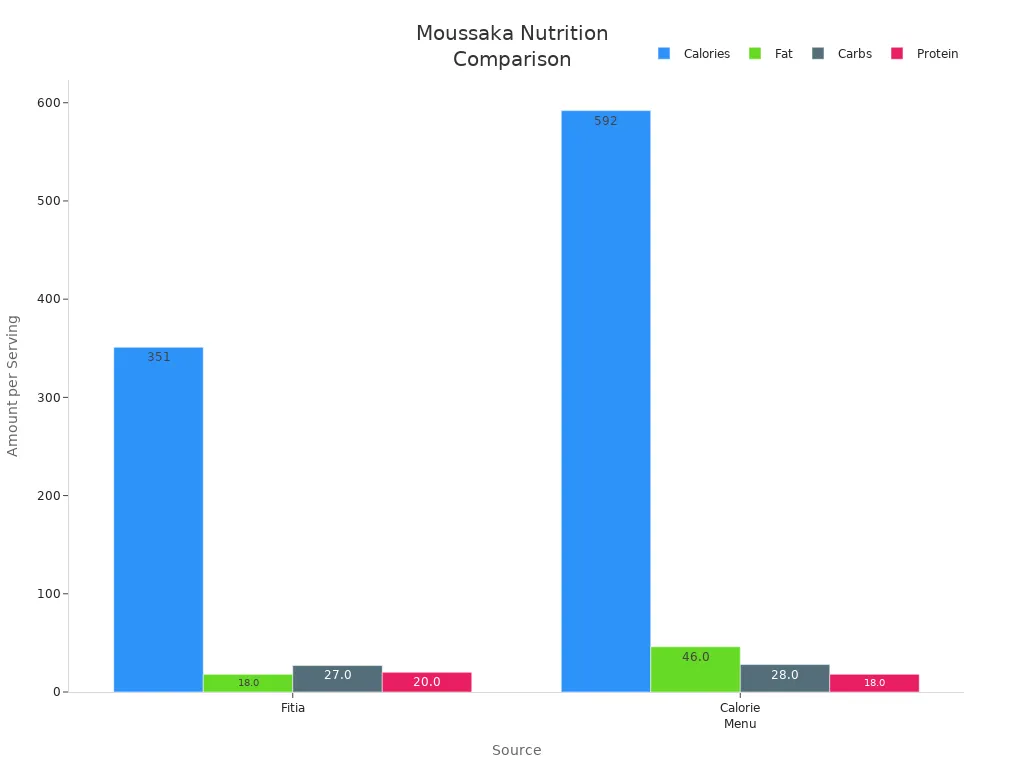
Here’s what you get in each serving:
Source | Calories | Fat (g) | Carbs (g) | Protein (g) |
|---|---|---|---|---|
Fitia | 351 | 18.0 | 27.0 | 20.0 |
Calorie Menu | 592 | 46.0 | 28.0 | 18.0 |
Moussaka fits into Mediterranean traditions, though it isn’t part of the strict diet pyramid. You get fiber, antioxidants, and a filling meal. You can make it ahead, freeze it, and serve it for any occasion. You’ve got this-your kitchen is ready for a Mediterranean feast!
FAQ
What makes moussaka different from lasagna?
Moussaka uses eggplant and potatoes instead of pasta. You get a creamy béchamel topping, not just cheese. The spices, like cinnamon and nutmeg, give it a unique Mediterranean flavor.
What can you use instead of eggplant in moussaka?
You can swap eggplant for zucchini, sweet potatoes, or mushrooms. These vegetables work well and keep the dish hearty. Try mixing them for extra flavor and color.
What is the best way to keep moussaka from getting soggy?
Salt and drain the eggplant slices before cooking. This step removes extra moisture. Bake the layers separately if you want a firmer texture.
What kind of meat works best in moussaka?
Ground lamb gives you a rich, traditional taste. You can use ground beef for a milder flavor. For a vegetarian option, try lentils or mushrooms.
What is the easiest way to reheat leftover moussaka?
Place your moussaka in the oven at 350°F. Cover with foil to keep it moist. Heat for 10 to 15 minutes until warm in the center.