
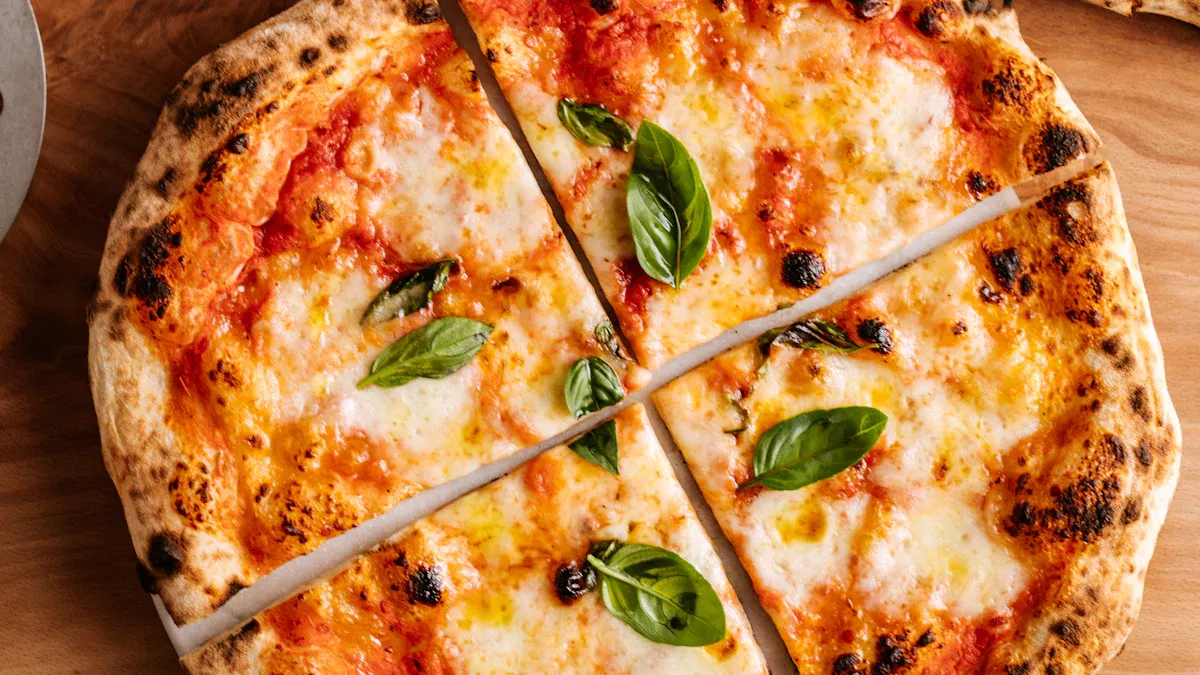
If you want to make a true Pizza Margherita Recipe at home, you only need a few simple ingredients. You use a thin crust, top it with rich tomato sauce, fresh mozzarella, basil leaves, and a drizzle of olive oil. This pizza stands out for its soft, airy crust and the way each topping shines. Pizza Margherita is widely regarded as a staple in Italian cuisine, showing its deep roots in tradition and the love Italians have for this classic dish.
Key Takeaways
Use high-quality ingredients like Caputo ’00’ flour and San Marzano tomatoes for the best flavor.
Knead the dough gently and allow it to rise for at least 8 hours to develop a soft, airy texture.
Stretch the dough by hand to keep it light; avoid using a rolling pin.
Bake your pizza in a preheated oven at high temperatures for a crispy crust.
Keep toppings simple: use fresh mozzarella and basil to let the flavors shine.
Neapolitan Pizza Features
Tradition
When you look at the tradition behind Neapolitan pizza, you see a story that goes back to Naples in the late 19th century. Pizza Margherita Recipe became famous in 1889 when Raffaele Esposito made it for Queen Margherita of Savoy. The pizza’s colors-red tomato, white mozzarella, and green basil-symbolize the Italian flag. Over time, this dish moved from street food to a symbol of Italian pride. After World War II, people in America started loving it, and pizza culture grew with new styles and flavors.
Did you know? In 2010, Neapolitan pizza earned the STG (Specialità Tradizionale Garantita) label, and in 2017, UNESCO recognized the art of Neapolitan pizza-making as an intangible cultural heritage.
Here’s a quick look at important moments in its history:
Year | Event |
|---|---|
1889 | Esposito creates Pizza Margherita for Queen Margherita of Savoy |
1984 | The True Neapolitan Pizza Association is founded |
2010 | Neapolitan pizza receives STG designation |
2017 | UNESCO recognizes Neapolitan pizza-making |
You can see how Pizza Margherita Recipe started as a local favorite and became a global phenomenon.
Key Ingredients
What makes Neapolitan pizza stand out? You need the right ingredients. The dough uses wheat flour, natural yeast, salt, and water-no sugar or fat. San Marzano tomatoes give the sauce a sweet flavor and low acidity. Fior di Latte or buffalo mozzarella adds creamy texture. Fresh basil and a drizzle of extra virgin olive oil finish the pizza.
San Marzano tomatoes (or canned peeled tomatoes)
Fior di Latte or buffalo mozzarella
Fresh basil leaves
Olive oil
Fine sea salt
The flour matters, too. ’00’ flour is finely milled and high in protein, so your crust turns out chewy and airy. When you use these ingredients, you get the classic taste and texture that define Neapolitan pizza.
Characteristic | Description |
|---|---|
Crust | Puffy, soft, and leopard-spotted |
Shape | Round and thin |
Baking Temperature | About 900°F for less than 90 seconds |
Dough Composition | Wheat flour, yeast, salt, water; no fat or sugar |
Cooking Method | Wood-fired oven |
If you want to taste real Neapolitan pizza, these features and ingredients are what you should look for.
Ingredients & Equipment
Dough Ingredients
You want your Pizza Margherita Recipe to start with the right dough. Neapolitan pizza dough uses Caputo “00” flour, which has a super-fine texture and high protein content. This flour makes your dough stretchy and strong, so you can easily shape it without tearing. It also absorbs water quickly, helping you get a crisp yet soft crust. The classic ratio for Neapolitan dough is simple:
Ingredient | Amount |
|---|---|
Caputo “00” Pizzeria Flour | 1 kg |
Water | 640 g |
A hydration level around 65% gives you a light, airy crust with big bubbles. You only need flour, water, salt, and yeast-no sugar or oil. If you can’t find ’00’ flour, you can mix all-purpose flour with it, but the texture won’t be quite the same.
Tip: Using ’00’ flour helps your dough absorb water better, so your crust turns out soft inside and crisp outside.
Sauce & Toppings
The sauce for Pizza Margherita Recipe uses San Marzano tomatoes. These tomatoes grow in volcanic soil near Mt. Vesuvius, which gives them a sweet, rich flavor and low acidity. They make your sauce taste fresh and bright.
San Marzano tomatoes (whole, peeled)
Fine sea salt
Fresh mozzarella (Fior di Latte or buffalo mozzarella)
Fresh basil leaves
Extra virgin olive oil
Fresh mozzarella melts into creamy pools on your pizza. It tastes delicate and smooth, but it can release extra moisture. Low-moisture mozzarella melts well and keeps your pizza less soggy, but the flavor is milder.
Type | Description | Usage | Advantages | Disadvantages |
|---|---|---|---|---|
Fresh Mozzarella | Made from whole milk, soft and moist | Ideal for margherita pizzas | Melts well, creamy and delicate flavor | Can release too much moisture, making pizza watery |
Low-Moisture Mozzarella | Drier, often sold in blocks/shredded | Perfect for pizzas with many ingredients | Melts well without releasing too much water | Flavor can be less intense compared to fresh mozzarella |
Tools
You need the right tools to bake your pizza at home. A pizza stone or baking steel is essential. These tools mimic the heat of a wood-fired oven, giving you a crispy crust and evenly cooked toppings. Baking steel holds more heat than stone, so your pizza cooks faster and gets a golden crust in just a few minutes.
Equipment | Purpose |
|---|---|
Pizza stone | Creates a crispy crust by baking at high temperatures. |
Baking steel | Mimics brick-oven conditions for crispy crusts by absorbing heat. |
Pizza peel | Helps slide the pizza onto the hot stone and remove it easily. |
Preheat your stone or steel for at least an hour before baking.
Use a pizza peel to move your pizza in and out of the oven safely.
Note: Using a pizza stone or steel makes a huge difference in your homemade pizza. You get a crust that’s crisp on the outside and soft inside, just like in Naples.
Pizza Margherita Recipe Steps
Dough Preparation
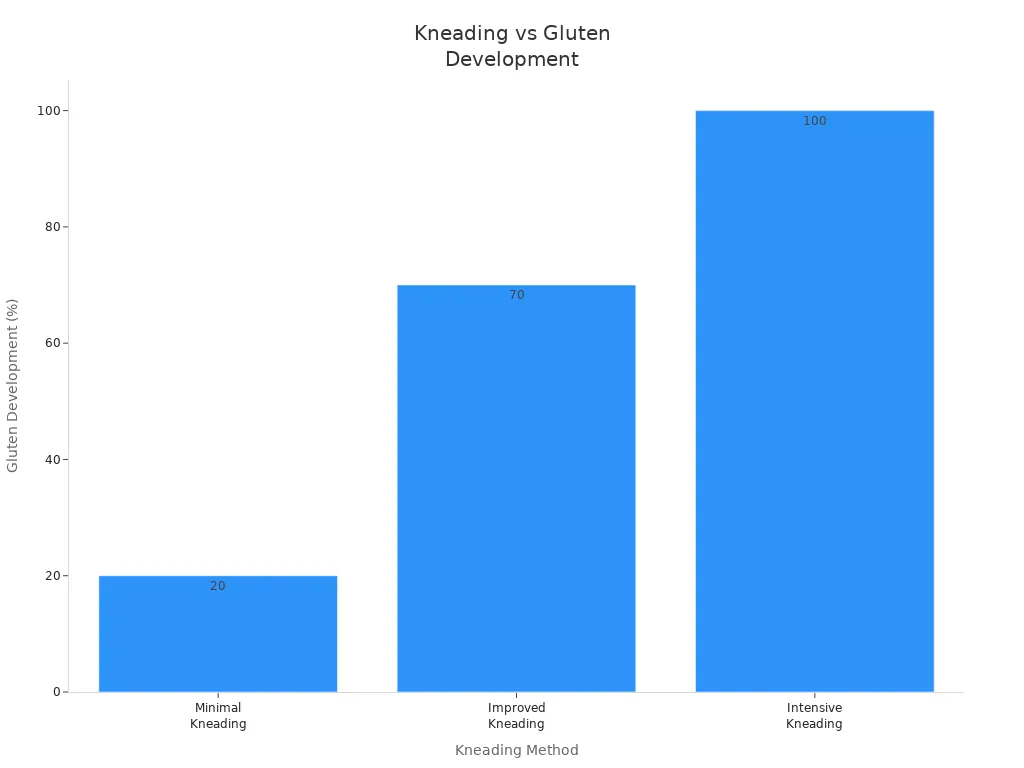
You start your Pizza Margherita Recipe by making the dough. First, dissolve fine sea salt in cool water. Gradually add Caputo “00” flour, mixing until you get a shaggy dough. Sprinkle in a pinch of fresh yeast. Knead the dough gently. You want to develop gluten, but not make it tough.
Kneading Method | Gluten Development | Dough Characteristics |
|---|---|---|
Minimal Kneading | ~20% | More extensible, soft, tender texture, open airy structure |
Improved Kneading | ~70% | Balanced elasticity and extensibility |
Intensive Kneading | 100% | More elastic, denser crumb, chewy tougher texture |
You should aim for minimal to improved kneading. This gives your crust a soft, airy bite. Shape the dough into a ball. Let it rise at room temperature for about 10 hours. After that, place it in the fridge for cold fermentation.
Three to five days of cold fermentation is your best bet for dramatically improving your dough’s flavor, texture, and workability.
If you wait, your dough will taste richer and stretch easily. When you’re ready to bake, bring the dough to room temperature. Divide it into balls, then shape each one into a thin round base.
Dough Thickness | Texture Effect |
|---|---|
Thicker Crust | Heartier bite, requires longer baking for crispiness |
Thinner Crust | Crispier and more pliable, may become soggy with too much sauce |
For authentic Neapolitan pizza, you want a thin base with a puffy edge.
Sauce Making
The sauce for your Pizza Margherita Recipe should taste fresh and simple. You use whole peeled San Marzano tomatoes. These tomatoes have a sweet flavor and low acidity. Here’s what you need:
Ingredients:
1 (28-ounce) can whole peeled San Marzano tomatoes
2 teaspoons extra-virgin olive oil
2 small garlic cloves
½ teaspoon sea salt
¼ teaspoon dried oregano
Instructions:
Blend the tomatoes, olive oil, garlic, salt, and oregano in a food processor until combined. For a thicker sauce, drain the tomatoes before blending.
You don’t cook the sauce before using it. This keeps the flavor bright and fresh. Taste the sauce and adjust the salt if needed.
Assembly
Now you assemble your pizza. Stretch the dough into a thin circle. Spread a thin layer of tomato sauce over the base. Don’t use too much sauce, or the crust may get soggy. Tear fresh mozzarella into pieces and scatter them evenly. Add a few basil leaves. Drizzle extra virgin olive oil over the top.
You want the toppings to look simple and colorful. The cheese should melt into creamy pools. The basil adds a fresh aroma. The olive oil gives a glossy finish.
Baking
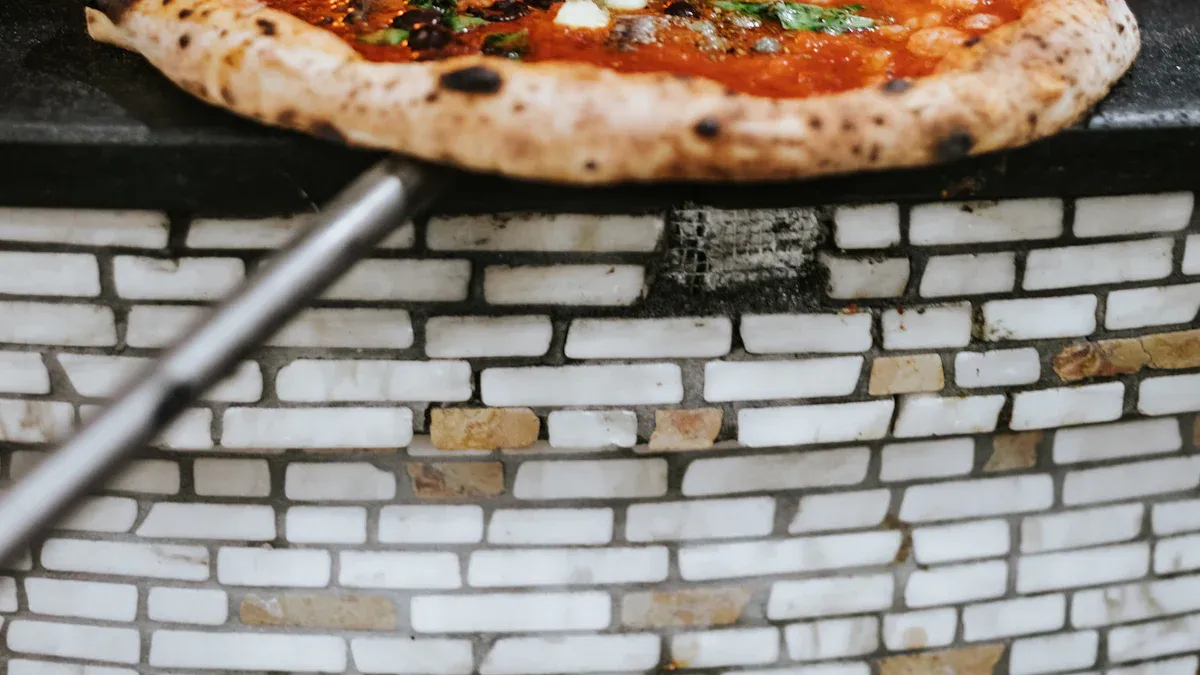
You bake your Pizza Margherita Recipe at a high temperature. Preheat your pizza stone or steel for at least an hour. If you have a pizza oven, heat it to 400°C (750°F). Slide the pizza onto the hot surface using a peel.
Preheat your pizza oven to 400°C / 750°F stone temperature 30 minutes before baking.
A wood-fired oven gives your pizza a smoky flavor and a crisp, charred crust. The inside stays soft and airy. If you use a conventional oven, the flavor and texture will be different. The cheese caramelizes in a unique way, and the crust may not get as charred.
The wood-fired oven imparts a unique smoky flavor and enhances caramelization, resulting in a crispy charred crust that is warm and soft inside.
The dough from the wood-fired oven is well caramelized, with a tougher outer layer and a moist, airy interior.
In contrast, the conventional oven produces a different texture and flavor profile, with cheese that caramelizes differently, leading to a distinct taste.
Bake the pizza for 60–90 seconds in a pizza oven, or 6–8 minutes in a home oven. Watch for a leopard-spotted crust and bubbling cheese. Remove the pizza and let it cool for a minute. Slice and enjoy!
Authenticity Tips
Crust Texture
What does an authentic Neapolitan pizza crust look and feel like? You want a crust that is soft and lightly crisp. When you pick up a slice, the center should flop a little. The edge, called the cornicione, forms a puffy ring that feels moist and almost see-through in spots. Look for dark, charred spots-these are called leoparding and add a smoky flavor. The surface and edges should turn a golden-brown color. When you touch the crust, it feels firm but also flaky. If your crust has these signs, you know you are on the right track.
Cheese & Tomato Choice
What cheese and tomatoes should you use for the best Pizza Margherita Recipe? High-quality mozzarella makes a big difference. Mozzarella di Bufala and Fiordilatte both give your pizza a creamy texture and rich flavor. These cheeses also help your pizza taste fresher and even boost its antioxidant power. The balance between mozzarella and tomato sauce matters. Too much cheese or sauce can make the pizza soggy. The type of mozzarella you choose changes how your pizza looks, feels, and tastes. Mozzarella di Bufala gives a more intense flavor and a softer bite. Always use ripe, sweet tomatoes for your sauce to keep the taste bright and fresh.
Common Mistakes
What mistakes do people often make when baking Neapolitan pizza at home? Here are some things to watch out for:
Using too much yeast. Try a sourdough starter or use less active dry yeast for better flavor.
Picking the wrong flour. Tipo 0 flour works best. If your dough feels too soft, add a bit of Manitoba flour.
Adding salt too early. Wait until you mix the other ingredients before adding salt so the yeast stays active.
Not draining mozzarella. Let fresh mozzarella drain for a few hours to avoid a watery pizza.
Overloading toppings. Start with just tomato sauce. Add cheese and basil later so nothing burns.
Not letting the dough rise long enough. Give your dough at least 8 hours to develop flavor and texture.
Stretching the dough with a rolling pin. Use your hands to keep the crust light and airy.
Waiting too long after stretching. Bake your pizza right away for the best results.
If you avoid these mistakes, you will get a pizza that looks and tastes like it came from Naples.
You can make an authentic Pizza Margherita Recipe at home by following these key steps:
Mix high-quality flour with salty water, then add yeast.
Hand-knead the dough and let it rise for hours.
Stretch the dough gently, keeping the center thin and the edges puffy.
Crush San Marzano tomatoes by hand for the sauce.
Use fresh mozzarella and basil.
Bake in a hot oven for a crispy, fluffy crust.
The tradition and simplicity of this pizza create a taste that’s hard to beat. Give it a try and enjoy the classic flavors!
FAQ
What flour should you use for authentic Neapolitan pizza dough?
You want Caputo “00” flour. This flour gives your crust a soft, chewy texture. If you can’t find it, mix all-purpose flour with bread flour for a similar result.
What makes San Marzano tomatoes special for pizza sauce?
San Marzano tomatoes taste sweet and have low acidity. They grow in volcanic soil near Naples. You get a bright, fresh flavor that stands out on your pizza.
What tools help you bake pizza like in Naples?
A pizza stone or baking steel works best. These tools hold heat and help your crust cook evenly. Use a pizza peel to move your pizza in and out of the oven.
What is the best cheese for Pizza Margherita?
Fresh mozzarella, like Fior di Latte or buffalo mozzarella, melts into creamy pools. You get a rich flavor and smooth texture. Drain the cheese before using to avoid soggy pizza.
What temperature should you bake Pizza Margherita at home?
You want your oven as hot as possible. Preheat to 500°F or higher. If you use a pizza oven, aim for 750°F. High heat gives you a crispy, airy crust.