
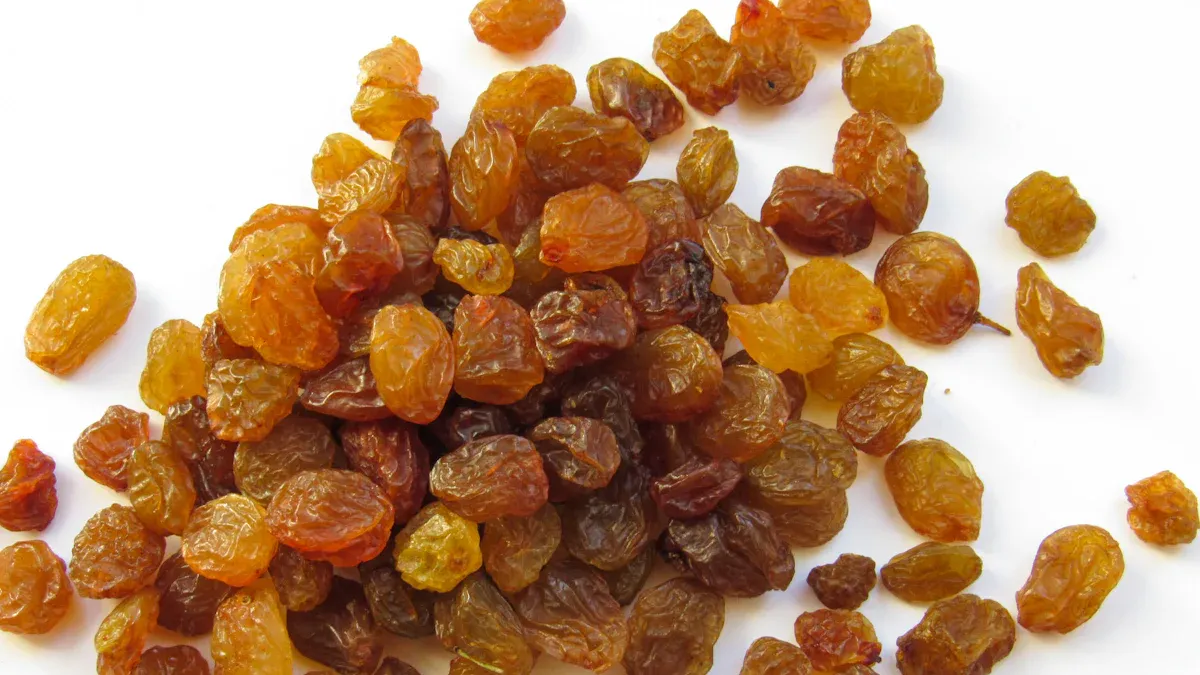
Are raisins healthy? Yes, they are! Raisins offer surprising health benefits despite their natural sugar content. These small, naturally sweet dried fruits serve as a versatile whole fruit snack. Raisins Nutrition is impressive. They contain dietary fiber, which aids digestion. Raisins also deliver antioxidants and essential minerals, making them a healthful food. This healthy snack packs significant nutrition into a small package. These benefits make raisins a valuable addition to a balanced diet.
Key Takeaways
Raisins are dried grapes. They offer fiber, antioxidants, and minerals. This makes them a healthy snack.
Eating raisins can help your heart. They may lower blood pressure and bad cholesterol. This supports good heart health.
Raisins help your digestion. Their fiber content promotes regular bowel movements. This keeps your gut healthy.
Raisins give you energy. They have natural sugars for a quick boost. They can also help you feel full.
Eat raisins in small amounts. They have natural sugar. Too many can lead to too much sugar intake.
Understanding Raisins
What are Raisins?
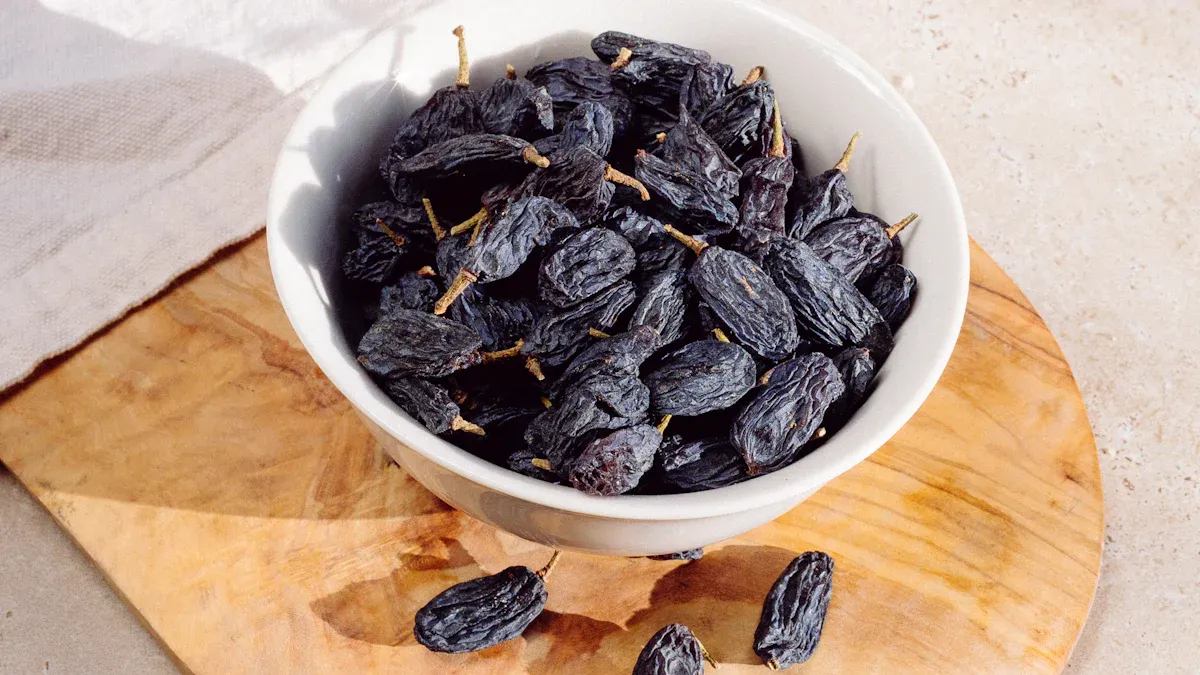
Raisins are dried grapes. Growers produce them by drying fresh grapes. This drying process removes most of the water content from the fruit. The sun often dries grapes naturally on large trays. This method is traditional and energy-efficient. Mechanical dryers also dry grapes in controlled environments.
These dryers use heat and air circulation. As water leaves the grapes, the natural sugars become more concentrated. This makes raisins intensely sweet. The drying process also concentrates the grapes’ nutrients. This means a small serving of raisins packs a significant nutritional punch. Raisins become a sweet, chewy, and convenient snack. They are a popular form of dried fruit. This concentration makes them a nutrient-dense food. People have enjoyed raisins for thousands of years as a natural sweetener and energy source.
Common Raisin Types
Many types of grapes become raisins. The most common type comes from Thompson Seedless grapes. These raisins are often dark brown or black. They have a sweet flavor and a soft, chewy texture. Golden raisins exist too. Producers treat these with sulfur dioxide before drying.
This process helps them keep their lighter, golden color. Golden raisins have a slightly tangier and fruitier flavor compared to dark raisins. They are often plumper. Zante currants are small, dark raisins. They come from a different grape variety, not true currants. These tiny raisins offer a tart and intense flavor. Sultanas are another type, often from larger, light-skinned grapes. They are usually lighter in color than standard dark raisins. Each type offers a unique taste, texture, and appearance. All raisins provide similar nutritional benefits. They are versatile ingredients in many dishes, from baked goods to savory meals.
Raisins Nutrition Profile
Raisins offer a concentrated source of natural sugars, fiber, and essential nutrients. They are a nutrient-dense food. This means raisins pack many beneficial compounds into a small serving. People often wonder about the specific nutrition of raisins. This section explores their key nutritional components.
Calorie and Sugar Content
Raisins contain natural sugars. The drying process concentrates these sugars. This makes raisins a quick source of energy. A standard serving of raisins provides a moderate amount of calories.
Serving Size | Calories |
|---|---|
50 raisins (26g) | 78 |
Raisins provide less than 120 calories per serving. This makes them a suitable snack for many diets. One serving of raisins contains approximately 24 grams of sugar. A 1/4 cup serving (40 grams) of raisins contains 26 grams of sugar. These sugars are natural fruit sugars, not added sugars.
Fiber and Antioxidants
Raisins are a good source of dietary fiber. Fiber is important for digestive health.
Raisins provide fiber, contributing 7% of the Daily Value (DV).
A quarter-cup serving of California Raisins is considered one serving of fruit.
A 1-cup serving of packed seedless raisins contains 6.1 grams of total dietary fiber.
Raisins also contain powerful antioxidants. These compounds protect the body’s cells from damage. The antioxidant capacity of raisins correlates to their phenolic content. Phenolic compounds are plant-based chemicals with health benefits. Black raisins are particularly rich in certain antioxidants.
Anthocyanins are abundant in black raisins.
These antioxidants contribute to the overall health benefits of raisins. Many studies highlight the role of antioxidants in maintaining well-being. California Raisins offer a significant amount of these beneficial compounds.
Essential Vitamins and Minerals
Raisins provide various essential vitamins, though in smaller amounts. They contribute to daily vitamin intake.
Vitamin | Quantity per Serving |
|---|---|
Vitamin B1 (Thiamin) | 0.001 mg |
Vitamin B2 (Riboflavin) | 0.001 mg |
Vitamin B3 (Niacin) | 0.004 mg |
Vitamin B6 | 0.001 mg |
Vitamin B9 (Folate, DFE) | 0.03 mcg |
Vitamin C (Ascorbic acid) | 0.0 mg |
Vitamin D | 0.00 mcg |
Vitamin E (alpha-tocopherol) | 0.00 mg |
Vitamin K | 0.0 mcg |
Choline | 0.1 mg |
Raisins are a better source of several important minerals. These minerals play crucial roles in body functions. They help maintain good health. Raisins are a source of iron, which is vital for red blood cell production. They can help boost iron levels. Boron is another mineral found in raisins. It supports bone health. California Raisins offer a range of minerals.
Mineral | Daily Value Percentage |
|---|---|
Copper | 15% |
Potassium | 7% |
Manganese | 5% |
Iron | 4% |
Magnesium | 3% |
Phosphorus | 3% |
Calcium | 2% |
Zinc | 1% |
Choline | 1% |
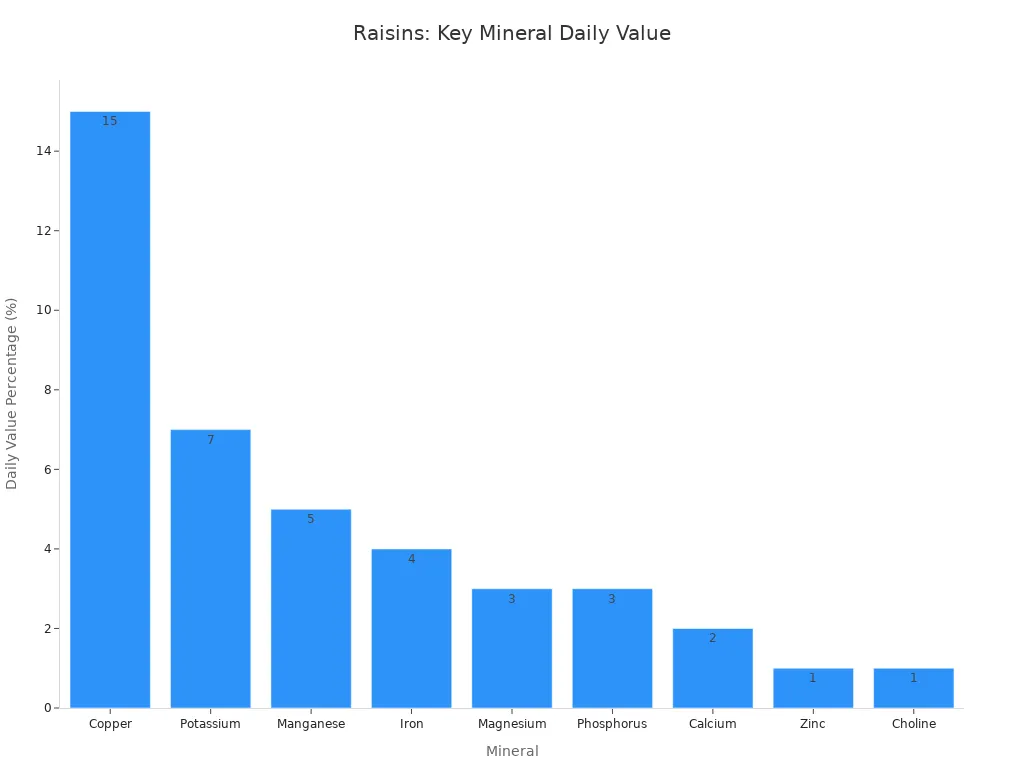
This chart illustrates the significant mineral contributions of raisins. The nutrition of raisins makes them a valuable addition to a balanced diet. They provide healthful nutrients and antioxidants.
Health Benefits of Raisins
Raisins offer many health benefits. Eating raisins contributes to better diet quality. They pack essential nutrients into a small, sweet package. These small fruits support various bodily functions.
Heart Health Support
Raisins play a role in maintaining a healthy heart. Regular consumption can favorably impact heart health. Scientific studies show that snacking on raisins significantly reduces both systolic and diastolic blood pressure. A clinical trial compared eating raisins to other common snacks. Participants who ate raisins three times a day saw a significant drop in blood pressure. Other snacks did not show these reductions. This suggests raisins are more effective than typical processed snacks for lowering blood pressure.
Raisins help lower blood pressure in two main ways. They contain potassium, a known blood pressure-lowering agent. Their antioxidant dietary fiber also helps. This fiber may change the biochemistry of blood vessels. It makes them less stiff, which helps reduce blood pressure. This dual action supports cardiovascular health.
Raisins also help reduce cholesterol. A study found that eating 1 cup of raisins daily improved lipid risk profiles. It reduced both total cholesterol and LDL-C, often called “bad cholesterol.” The fiber intake in raisins primarily caused this LDL-C reduction. Daily consumption of raisins increases plasma antioxidant capacity. This decreases oxidized LDL, which contributes to plaque formation on artery walls. Raisins help lower risk of heart disease. They reduce this risk factor for cardiovascular health.
How Raisins Lower LDL-C:
Dietary fiber interferes with bile circulation, increasing bile acid excretion. This leads to more LDL receptors, which lower plasma LDL-C.
Polyphenols in raisins may interfere with cholesterol absorption. This also increases LDL receptors and lowers plasma LDL-C.
Polyphenols can inhibit microsomal transport protein (MTP). This reduces VLDL secretion and lowers LDL-C.
Digestive Wellness
Raisins are good for your digestion. They aid digestion due to their rich fiber content. Fiber is essential for a healthy digestive system. It adds bulk to stool. This promotes regular bowel movements and helps prevent constipation. Raisins also have natural laxative properties. Their fiber and sorbitol can help relieve occasional constipation. They encourage regularity.
Golden raisins are a natural source of fiber. This fiber regulates bowel movements by adding bulk to stool. It aids its smooth passage. Regular intake of fiber-rich foods like raisins helps prevent common digestive issues. These include constipation and bloating. Raisins also support beneficial gut bacteria. These probiotics are vital for food breakdown and nutrient absorption. They also fight harmful bacteria. The fiber and mild natural compounds in raisins help regulate the digestive system. They promote regular bowel movements. This benefits people with irregular digestion or mild constipation. Raisins are enriched with phytochemicals like phenolic acids and tartaric acid. They also contain fermentable fibers like inulin-type fructans. These compounds affect gut microbiota composition. This supports overall gut health.
Blood Sugar Management
Despite their natural sugar content, raisins can help manage blood sugar. The glycemic index (GI) of raisins is around 49. This low GI, along with their fiber and fructose content, leads to a gradual rise in blood sugar and insulin levels. Fructose makes up about 50% of the carbohydrates in raisins. It does not directly raise blood glucose. It can even enhance hepatic glucose uptake. This leads to lower postprandial glucose concentrations. Raisins also result in a lower postprandial insulin response compared to white bread. This shows an insulin-sparing effect.
Raisins are a low-to-moderate glycemic food. This characteristic, along with their fiber, antioxidants, and potassium, makes them a good choice for managing blood sugar levels. Studies show that consuming 1 ounce of raisins three times a day can reduce blood glucose levels. Research indicates raisins have a low insulin index. A study found that aerobically trained individuals secreted less insulin after eating raisins. This suggests enhanced insulin sensitivity.
Bone Health Contributions
Raisins contribute to strong bones. They contain several minerals crucial for maintaining bone density. These include magnesium, phosphorus, potassium, zinc, copper, manganese, boron, and iron. These minerals work together to support bone structure and health.
Mineral | Food Sources (including raisins) |
|---|---|
Magnesium | Dried fruit (including raisins) |
Phosphorus | Nuts, seeds, legumes, whole grains |
Potassium | Dried fruits like raisins, prunes, dates |
Zinc | Beans, nuts, whole grains |
Copper | Dried fruits (including raisins) |
Manganese | Dried fruits (including raisins) |
Boron | Dried fruits like raisins, prunes |
Iron | Dried fruits (including raisins) |
A study on rats with steroid-induced osteoporosis showed that daily raisin intake positively affects bone metabolism. Raisin treatment increased serum calcium levels. It decreased urine calcium levels. It also reduced bone turnover. This was shown by a decrease in serum osteocalcin. The study observed improvements in trabecular bone thickness. It also found a reduction in osteoclast numbers in raisin-treated rats. This suggests raisins have osteoprotective effects for bones.
Energy Boost and Appetite Control
Raisins provide a quick energy boost. They contain natural sugars, mainly glucose and fructose. The body quickly absorbs these sugars. This rapid absorption provides instant energy. It makes raisins an effective choice for a quick pick-me-up. They are also good before physical activity. Raisins are rich in fructose, which the body digests easily. This easy digestion helps deliver energy rapidly. The fast-digesting carbohydrates in raisins cause a rise in blood sugar. This makes glucose readily available to muscles for performance.
Eating raisins may also help control appetite. They can reduce hunger. Raisins may affect dietary intake by altering hormones that influence satiety. This can diminish the energy intake of a meal. This mechanism could help maintain a healthy body weight. Small clinical studies suggest that raisins may increase satiety and decrease appetite.
Oral Health Advantages
Raisins offer some surprising oral health benefits. They contain compounds with antibacterial properties. These compounds can help fight bacteria in the mouth.
Antibacterial Compounds in Raisins:
Oleanolic acid: Inhibits P. gingivalis and acts against S. mutans.
Oleanolic aldehyde: Inhibits P. gingivalis and acts against S. mutans.
Linoleic acid: An antimicrobial compound.
Linolenic acid: An antimicrobial compound.
Rutin: Acts against S. mutans.
Despite these benefits, it is important to consider the sugar content and sticky texture of dried fruits.
Risk Level | Dried Fruits | Characteristics |
|---|---|---|
Higher | Raisins, Dates, Figs, Dried Apricots | Sticky and high in concentrated sugars |
Dried fruits, including raisins, contain sugar and have a sticky texture. Anything sweet that sticks to teeth for a long time can contribute to tooth decay. The longer sugar stays on teeth, the more mouth bacteria produce acid that attacks enamel. While raisins offer fiber and antioxidants, and some research suggests polyphenols may help prevent plaque, other factors influence their effect on teeth. There is not enough evidence to say dried fruit is inherently bad for teeth. However, the concentrated sugars and sticky texture of raisins can create an environment for cavities if not followed by good oral hygiene.
Raisin Risks and Considerations
Calorie and Sugar Intake
Raisins are a concentrated source of natural sugars. The drying process increases their sugar and calorie density. While raisins contain beneficial compounds, including some antioxidant properties, their concentrated sugar content requires careful consideration. The antioxidant capacity of raisins is well-known, but this does not negate the risks of high sugar intake. A quarter cup of raisins contains about seven times more carbohydrates than a quarter cup of fresh grapes. This is because more dried grapes fit into the same volume. Excessive consumption of dried fruit can be unhealthy. It can lead to weight gain and blood sugar issues. Fructose, the sugar in fruit, can be unhealthy in high amounts. It is easier to consume large quantities of dried raisins than fresh fruit. This leads to higher sugar intake.
Raisin Calorie Content:
Serving Size
Approximate Calories
One tablespoon
90-120
Mini box
85
Quarter cup
120
Small handful
120
Full cup
493
This table shows the calorie density.
Serving Size Guidelines:
Aim for around 40-50 grams as a general guideline.
Measure raisins with a tablespoon to keep portions at 30 grams.
Limit intake to modest portions, such as a small handful.
Always measure your portions and consider pairing raisins with other nutrient-dense foods for a balanced diet. This helps enjoy the benefits without drawbacks. The overall health impact depends on moderation, despite the presence of antioxidant compounds.
Choking Hazard
Raisins can pose a choking hazard, especially for young children. Babies and toddlers are most susceptible. They are still developing oral-motor skills. These skills include chewing and swallowing different food shapes. Raisins are listed as a top choking hazard for toddlers. This is due to their nature as ‘Uncooked dried vegetables or fruit’. For babies around 6 months old, rehydrate, finely chop, mash, or puree raisins. At 12 months, finely chopped raisins are suggested. Rehydration is optional but helps reduce the risk. By 24 months, many toddlers can eat unmodified raisins. However, modeling proper chewing is still advised.
Potential Allergies
Some individuals may experience allergic reactions to raisins. Raisin allergies are typically classified as a fruit allergy. The immune system mistakenly identifies proteins in raisins as harmful. A chemical component used in processing raisins may also cause allergies. Symptoms can include itching or tingling in the mouth, lips, or throat. Gastrointestinal symptoms like abdominal pain, nausea, vomiting, or diarrhea can occur. Skin reactions such as hives, eczema, or general itchiness are also possible. In severe cases, anaphylaxis can happen. This involves difficulty breathing, rapid heartbeat, a drop in blood pressure, and loss of consciousness. An 8-year-old patient experienced mouth itching and nausea after eating fresh raisins.
Pesticide Concerns
Conventionally grown raisins often contain pesticide residues. Nearly all conventionally-grown raisins are contaminated by traces of two or more pesticides. The average sample contained more than 13 pesticides. One sample even tested positive for 26. Common pesticides include imidacloprid, bifenthrin, and tebuconazole. The drying process can lead to higher concentrations of these residues.
Even with the natural antioxidant properties of raisins, these pesticide concentrations pose a health risk. Conventional methods also fumigate raisins with toxic gases like ethylene oxide. This prevents pests during storage. These fumigants can leave harmful residues. Choosing organic raisins is advisable. Organic production prohibits the use of fumigants. This reduces exposure to pesticide residue. Children are potentially more vulnerable to pesticide effects. Organic farming practices significantly reduce pesticide use. This helps preserve the overall health benefits, including antioxidant content, without the added chemical burden.
Using Raisins in Your Diet

Raisins are a versatile dried fruit. People can easily add them to many meals. They offer a natural sweetness and a chewy texture. Knowing how to eat raisins helps maximize their benefits.
Smart Snacking
Raisins make an excellent snack. They are a convenient and healthy food. A small handful provides quick energy. People can carry them easily for on-the-go nutrition. Raisins are a better choice than many processed snacks. They offer fiber and natural sugars. This makes them a satisfying snack.
Breakfast Additions
Raisins enhance many breakfast dishes. They add sweetness and texture. People can whisk egg whites with salt and add raisins for a unique omelet. Blending raisins directly into smoothies and shakes naturally sweetens the drink. They are also a great topping for cereals or oatmeal, providing crunch and sweetness. Incorporating raisins into poha offers a unique sweet-salty taste. For a healthy habit, people can consume overnight soaked raisins and nuts in the morning. Experts suggest soaking enhances their nutritional benefits. Consider making Breakfast Risotto with Apples and Raisins. This creative approach offers a delightful way to incorporate raisins into a morning meal.
Baking and Cooking
Raisins are popular in baking. They contribute flavor and texture. Soft Oatmeal Raisin Cookies are a classic example. This recipe uses raisins, rolled oats, cinnamon, and nutmeg. Raisins, especially fresh ones, ensure a soft baked texture. Oats also add chewiness. Golden raisins are a delicious alternative in these cookies. They contribute to the cookie’s flavor profile. Many people enjoy these cookies.
Savory Dishes
Raisins add a sweet and tangy contrast to savory dishes. In Lombardy, Italy, caramelized onions with raisins, called cipolline all’uvetta, are a popular side dish.
These onions, Marsala wine, and raisins create a mellow, aromatic sweetness. The raisins become jam-like. They offer a refreshing contrast to rich, slow-cooked meats. Raisins appear in Sicilian dishes like caponata and pasta with sardines. Indian cuisine uses them in Thalassery biryani. Mexican chiles en nogada also include them. People use raisins in agrodolce sauce for proteins. Turmeric-spiced rice often has golden raisins. Raisins also appear in rice dishes from around the world, like Afghani Kabuli pulao. They are great in savory stews and braised meats.
Homemade Treats
People can use raisins to make various homemade treats. They are a natural sweetener. This dried fruit can replace added sugars in many recipes. Make energy bites or granola bars with raisins. They provide a natural energy boost. Raisins also add an antioxidant punch to these treats.
Raisins offer significant health benefits. Raisins nutrition provides fiber and essential minerals. These small fruits are a convenient snack. They also contain powerful antioxidant compounds. These antioxidant properties protect cells. However, moderation is key due to their natural sugar content. Raisins contribute to overall health. Their versatility makes them a delicious addition to many meals. Enjoy raisins as part of a balanced diet. Their rich antioxidant profile supports well-being. The antioxidant power of raisins is notable. Raisins nutrition is truly impressive.
FAQ
Are raisins good for weight loss?
Raisins can support weight management. Their fiber content promotes satiety, which helps reduce overall calorie intake. However, they are calorie-dense. People should consume raisins in moderation as part of a balanced diet.
Can diabetics eat raisins?
Diabetics can eat raisins in moderation. Raisins have a low to moderate glycemic index. Their fiber and fructose content lead to a gradual rise in blood sugar. Portion control is crucial for managing blood sugar levels.
How many raisins should I eat daily?
A healthy daily portion of raisins is about a quarter cup. This amount provides beneficial nutrients without excessive sugar intake. California raisins offer a good source of fiber and antioxidants in this serving size.
Do raisins cause cavities?
Raisins contain natural sugars and have a sticky texture. This combination can contribute to tooth decay if not followed by good oral hygiene. Brushing teeth after eating California raisins helps prevent cavities.
Are organic raisins better?
Organic raisins are often preferred. They are grown without synthetic pesticides. This reduces exposure to chemical residues. Choosing organic California raisins ensures a cleaner product with the same nutritional benefits.