

Filipino cuisine offers a treasure trove of diverse and vibrant tastes. Many people often underestimate the spicy side of Filipino food. This exciting aspect of Filipino cooking truly awakens your taste buds. I want to guide you through 10 bold and flavorful spicy Filipino food recipes. We will embark on an exciting culinary journey into the heart of Filipino heat. Prepare to explore the rich tradition of Filipino spice.
Key Takeaways
Filipino food has a rich history of spice. Spanish and Indo-Malay cultures brought chili peppers and other spicy ingredients to the Philippines.
Siling Labuyo and Siling Haba are common Filipino chili peppers. They add different levels of heat to dishes.
You can easily change the spice level in Filipino recipes. Add more chilies for heat or remove seeds for less spice.
Serve spicy Filipino dishes with rice or cold drinks. These help balance the heat and make the meal more enjoyable.
Many spicy Filipino dishes use coconut milk. This ingredient creates creamy and flavorful meals.
Why Filipino Food Embraces Spice
History of Spice in Filipino Cuisine
I find the history of spice in Filipino cuisine fascinating. Chili peppers, a cornerstone of many spicy dishes, did not originate in the Philippines. They arrived in the Philippines in 1564, subsequently moving to Melanesia and Micronesia via a Spanish-established trade route. The Spanish introduced chili peppers to the Philippines.
From there, they spread to Melanesia, Micronesia, and other Pacific Islands through the Manila galleons, which were under Spanish monopoly. The chili pepper traveled from Mexico to the Philippines, and I believe the Portuguese played a primary role in this global dissemination. Chili peppers eventually reached various regions worldwide, including the Philippines, the Pacific Islands, Ethiopia, South India, Sri Lanka, China, and Japan.
Beyond Spanish influence, other culinary traditions also shaped the spicy palate of Filipino food. I see strong evidence of Indo-Malay influence, particularly in the southern regions.
The southern region of the Philippines - Mindanao, Samal and the Sulu archipelago - was the entry point of the Indo-Malay ancestors. Spicy coconut milk stews such as rendang, curry manok iban talum and ginataang manok epitomize the Indo-Malay infusion of coconut milk, turmeric, ginger, garlic, lemongrass and chilies into the cooking of this region.
This historical blending of cultures truly enriched the flavors of Filipino food, making spice an integral part of its identity.
Key Filipino Chili Varieties
When I talk about spicy Filipino food, I often think of specific chili varieties. The most common and iconic chili pepper in Filipino cuisine is Siling Labuyo. This small, potent chili is a staple in many dishes. I know it for its intense heat.
Siling Labuyo fruits measure around 80,000-100,000 Scoville units.
The fruit is pungent, ranking at 80,000 to 100,000 heat units in the Scoville scale.
Another popular chili is Siling Haba, also known as finger chili. It is longer and milder than Siling Labuyo, often used for its flavor rather than just its heat. Beyond these chilies, other spicy elements contribute to the bold taste of Filipino food. I often use fresh ginger for its pungent warmth and black pepper for a subtle kick. These ingredients, combined with the vibrant chilies, create the distinctive and exciting spice profile I love in Filipino dishes.
Top 10 Spicy Filipino Food Recipes
I want to share with you some of my favorite spicy Filipino food recipes. These dishes truly showcase the bold flavors of Filipino cuisine.
1. Bicol Express: Creamy Coconut Chili
Bicol Express is a rich and creamy stew. It comes from the Bicol region of the Philippines. This dish features a delightful blend of heat and coconut milk. Key ingredients include long chilies, coconut milk, shrimp paste, onion, garlic, and ginger. I find the shrimp paste gives it a unique umami flavor. This dish typically has a hot spice level. I suggest serving it with plenty of steamed rice to balance the heat.
2. Laing: Spicy Taro Leaves in Coconut Milk
Laing is another fantastic dish from the Bicol region. It features taro leaves simmered in coconut milk with chili. The main components are dried taro leaves, coconut milk, and chili peppers. Some versions also include shrimp paste. Laing is generally known for its spicy profile. Authentic Bicolano versions use potent siling labuyo for a fiery heat. I recommend cooking it slowly to allow the flavors to meld beautifully.
3. Dinakdakan: Grilled Meat with Chili
Dinakdakan is a savory grilled dish. It comes from the Ilocos region. This dish features grilled and chopped meat, often mixed with a creamy dressing. Key ingredients include onions, ginger, chilies, black pepper, and calamansi juice. It also uses a creamy binder like mayonnaise. Dinakdakan’s spice level is variable. You can add more chili peppers for extra heat. I enjoy serving it as an appetizer or with a cold beverage.
4. Spicy Sisig: Sizzling Meat with Heat
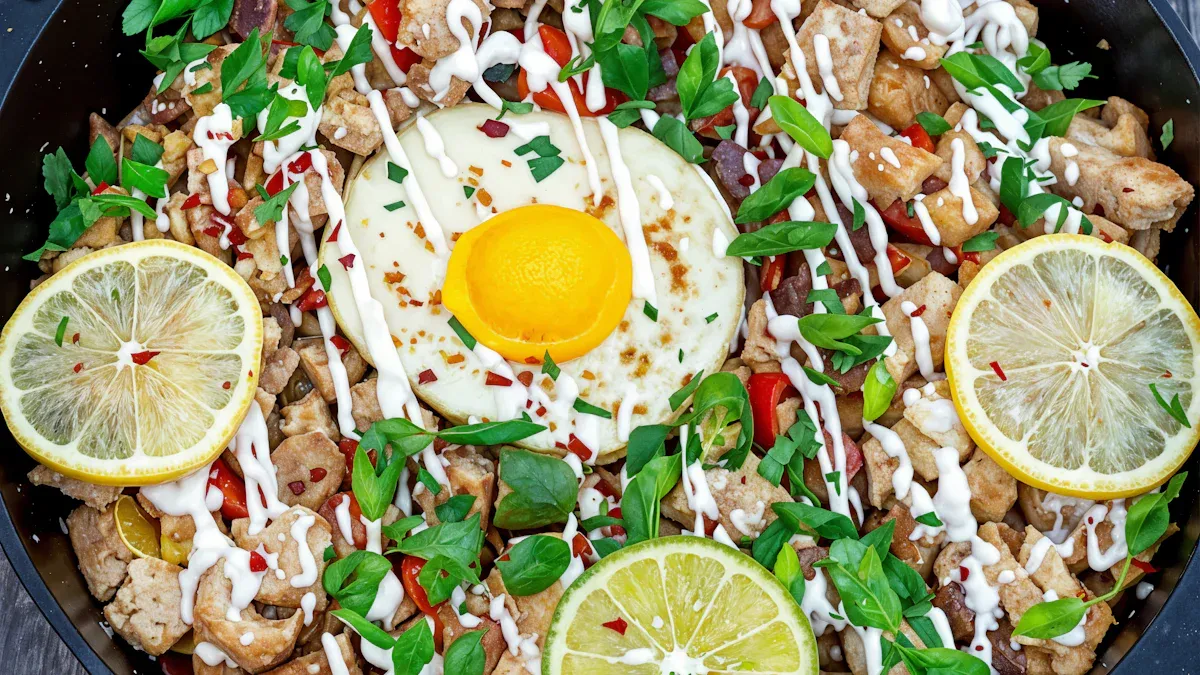
Spicy Sisig is a popular Filipino sizzling dish. It offers a fantastic combination of savory, sour, and spicy flavors. This sizzling sisig dish uses finely chopped meat, often seasoned with onions, chili peppers, and citrus juice. I find the addition of liver spread or mayonnaise gives it a rich texture. The spice level for sisig is customizable. You can adjust the amount of chilies to your preference. I love to serve this sizzling sisig on a hot plate with a squeeze of fresh lime.
5. Dynamite Lumpia: Crispy Chili Cheese Rolls
Dynamite Lumpia is a fun and crispy snack. It features long green chili peppers stuffed with cheese and ground meat, then fried until golden. Core ingredients include finger chili peppers (siling haba), ground meat (like chicken or beef), cheese, and lumpia wrappers. Despite its name, Dynamite Lumpia is generally mildly spicy. This is because I deseed the chilies before stuffing them. I recommend serving these crispy lumpia rolls with a sweet chili dipping sauce.
6. Spicy Adobo: A Fiery Twist
Adobo is the national dish of the Philippines. My spicy adobo offers a fiery twist on this classic. While traditional Filipino adobo is not inherently spicy, I add chili peppers to create a bolder flavor. I use chicken or beef, vinegar, soy sauce, garlic, and black peppercorns. For a spicy kick, I incorporate siling labuyo or other hot chilies. The spice level is adjustable based on the type and quantity of chilies I use. I find this spicy chicken adobo pairs perfectly with steamed white rice.
7. Kinilaw: Filipino Ceviche with a Kick
Kinilaw is a refreshing Filipino ceviche. It features fresh raw fish marinated in vinegar and spices. Main ingredients include raw cubed fish, vinegar (coconut or cane), calamansi, ginger, onions, and chili peppers. I often use siling labuyo for a good kick. The spice level of kinilaw is adjustable. I can add more Thai chilies or ginger if I prefer a spicier dish. I enjoy kinilaw as a vibrant appetizer.
8. Spicy Caldereta: Beef Stew with a Punch
Spicy Caldereta is a hearty Filipino beef stew. It features tender beef cooked in a rich tomato sauce with vegetables and a spicy kick. Key ingredients include beef chuck, tomato sauce, liver spread, potatoes, carrots, bell peppers, and chilies.
However, I often add siling labuyo for a truly spicy version. This dish is normally made quite hot, but I can adjust the spice to my tolerance. I love serving this flavorful stew with rice or crusty bread.
9. Spicy Gising-Gising: Green Beans in Coconut Cream
Spicy Gising-Gising is a vibrant vegetable dish. It features chopped green beans simmered in spicy coconut cream. Primary ingredients include chopped green beans, coconut milk, labuyo chilies, garlic, onions, and shrimp paste.
I sometimes add ground chicken or shrimp for extra flavor. The dish’s name, “Gising-Gising,” means “wake-up,” implying it is so spicy it will wake you up! I find this dish is a fantastic way to enjoy vegetables with a fiery twist.
10. Spicy Chicken Curry: Filipino Style
My Filipino-style Spicy Chicken Curry is a comforting and flavorful dish. It combines tender chicken with potatoes and a rich curry sauce. Essential ingredients include chicken, potatoes, garlic, onion, ginger, coconut milk, and curry powder. I add chili for a mild heat. This Filipino curry is generally not too spicy unless I intentionally add more chili. I enjoy serving this hearty curry with warm rice.
Mastering Filipino Spice
Adjusting Heat Levels
I know everyone has a different spice tolerance. You can easily adjust the heat in your filipino dishes.
If you want more heat, I suggest adding more chilies. For example, you can increase the number of siling labuyo in your Bicol Express. If you prefer a milder dish, you can remove the seeds and membranes from the chilies. This part holds most of the capsaicin, which causes the heat. Another way to lessen the spice is to increase the amount of coconut milk in dishes like Laing or Gising-Gising. Coconut milk helps to neutralize the heat. I always taste as I go to find my perfect spice level.
Perfect Pairings for Spicy Filipino Dishes
Spicy filipino food tastes even better with the right accompaniments. I always serve plain steamed rice with my spicy meals. Rice helps to absorb the heat and cleanse your palate. Fresh, crisp vegetables, like cucumber slices or a simple salad, also offer a refreshing contrast. For drinks, I find cold beverages essential. Water, iced tea, or even a cold beer can help balance the fiery flavors. These pairings make the spicy experience more enjoyable.
Sourcing Authentic Filipino Ingredients
Finding authentic filipino ingredients can sometimes be a challenge, especially outside the Philippines. I often look for specific chili varieties. Siling Labuyo pepper seeds are available from online retailers like Truelove Seeds and Reimer Seeds. These seeds come from plants originally cultivated in the Philippines.
For fresh Sili Mahaba, also known as Red Finger Chili, I check local Asian markets. Korean and Southeast Asian markets often carry Red Fresno chilies, which make a good substitute. Sometimes, Thai chilies are sold as ‘Siling Labuyo’ in markets. They work well, even if they are a bit milder. I always try to find the best ingredients for my filipino cooking.
I hope you enjoyed exploring these spicy Filipino food recipes. Filipino food offers such exciting and diverse flavors. I encourage you to try these dishes. Discover your personal favorites. You will find joy in exploring new tastes. Expand your culinary horizons. Embrace the heat and enjoy these bold flavors!