
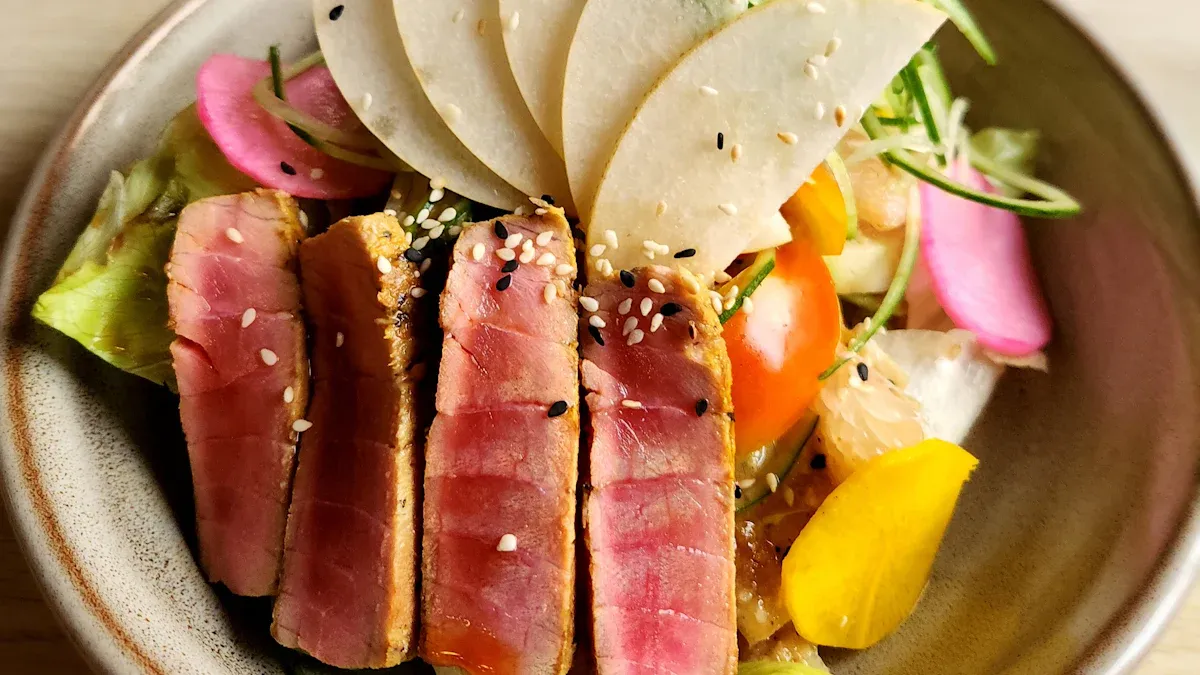
Tuna is a popular, versatile protein source. Many consider tuna a superfood. It is a healthy food choice. Tuna offers low calories. It is rich in high-quality protein and omega-3 fatty acids. What truly makes tuna so beneficial? This post explores tuna’s comprehensive nutritional profile. You will learn its top health benefits. We also discuss practical uses and safe consumption. Understand tuna nutrition facts for your diet. This includes vital omega-3 content.
Key Takeaways
Tuna is a superfood. It gives you lots of protein and healthy omega-3 fats. It also has many important vitamins and minerals.
Tuna helps your heart stay healthy. It also makes your brain work better. It can help you manage your weight too.
Tuna is full of vitamins like B12 and D. It also has minerals like selenium. These help your body work well.
You can eat tuna in many meals. It is good in salads, sandwiches, and pasta. Choose light canned tuna often because it has less mercury.
Eat tuna in the right amounts. This helps you get its benefits safely. Check how much tuna you should eat each week.
Tuna Nutrition Facts: Key Details
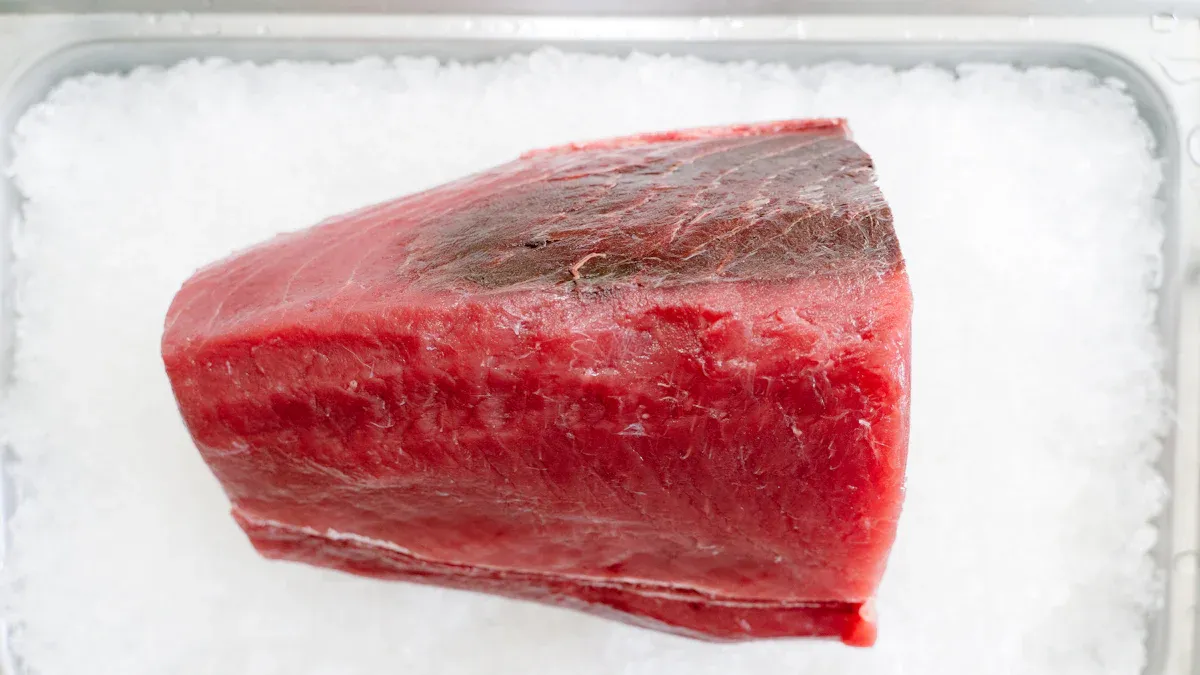
You often hear tuna called a “superfood.” This is because of its impressive nutritional profile. It offers many essential nutrients your body needs. Let’s explore the specific tuna nutrition facts that make it such a healthy choice.
Canned Tuna Nutrition
Canned tuna is a convenient and affordable way to get vital nutrients. When you choose canned tuna, you get a good source of protein with relatively few calories.
Nutrient | Canned Tuna (in brine) per 100g |
|---|---|
Calories | 109 kcal |
Protein | 24.9g |
Fat | 1.0g |
Salt | 0.733g |
Selenium | 69mcg |
This table shows that canned tuna in brine is quite lean. It is low in fat. If you choose canned tuna in oil, the fat content increases to about 6.4g per 100g. Calories also rise to around 159 per 100g. Pure tuna typically contains between 100–120 calories per 100 grams. It is also noted for its high protein content, approximately 21.5%. You also get a significant amount of omega-3 fatty acids. A 1 oz serving provides about 0.1g of total omega-3 fatty acids. This means you get approximately 0.35g per 100g.
Fresh Tuna Nutrition
Fresh tuna also provides excellent nutrition. It is naturally low in fat and high in protein. Like its canned counterpart, fresh tuna offers a lean source of high-quality protein. You can enjoy fresh tuna in various forms, such as steaks or fillets. It delivers similar benefits to canned tuna but often has a slightly different texture and flavor. The nutrition facts for fresh tuna highlight its natural goodness.
Omega-3s: DHA & EPA Content
Tuna is famous for its omega-3 fatty acids, specifically DHA and EPA. These are crucial for your health. Different types of tuna offer varying amounts of these beneficial fats.
Tuna Type | Total Omega-3 (grams/serving) |
|---|---|
Bluefin | 1.0 |
Albacore, canned in water | 0.7 |
Light, canned in water | 0.5 |
You can see that bluefin tuna has the highest total omega-3 content. Even light canned tuna provides a good amount. Let’s look at the specific DHA and EPA levels:
Tuna Type | DHA (mg/3 oz serving) | EPA (mg/3 oz serving) |
|---|---|---|
Light, canned in water, drained | 170 | 20 |
Yellowfin, cooked | 90 | 10 |
A 3 oz serving of Chunk Light Tuna in Water (Can) contains 160 mg of combined EPA and DHA omega-3s. A 5 oz serving gives you 180 mg. Even a 12 oz serving still provides 160 mg of combined EPA and DHA.
Here is a visual breakdown of DHA and EPA levels:
Canned tuna packed in water often has higher DHA levels compared to fresh tuna or tuna packed in oil. This makes it an excellent source of these important omega-3s.
High-Quality Protein & Micronutrients
Tuna is an excellent source of high-quality protein. Your body uses this protein for muscle growth and repair. Beyond protein, tuna also packs a punch with many essential vitamins and minerals. These micronutrients are vital for various bodily functions.
Nutrient | Daily Value (DV) per 4-ounce serving |
|---|---|
Vitamin B12 | 452% |
Selenium | 76% |
Vitamin B3 (Niacin) | 62% |
Vitamin D | 33% |
Vitamin B6 (Pyridoxine) | 31% |
Vitamin B5 (Pantothenic Acid) | 24% |
Vitamin B1 (Thiamin) | 23% |
Vitamin B2 (Riboflavin) | 22% |
As you can see, tuna is exceptionally rich in Vitamin B12. It also provides significant amounts of Selenium, Vitamin B3, and Vitamin D. These facts highlight why tuna is considered a nutrient-dense food.
Here is a chart showing the daily value percentage of these micronutrients:
These tuna nutrition facts confirm its status as a powerhouse of nutrition. It offers a low-calorie option that is high in protein and packed with beneficial vitamins and omega-3 fatty acids.
Top 5 Tuna Health Benefits
Tuna offers many health benefits. You can improve your well-being by including tuna in your diet. These benefits come from its rich nutritional content.
Heart Health Benefits
Tuna is excellent for your heart. It promotes heart health due to its high omega-3 fatty acid content. These healthy fats, DHA and EPA, help reduce triglycerides in your blood. High triglycerides can increase your risk of heart disease. Omega-3s also help lower blood pressure. This reduces strain on your heart. Eating tuna regularly supports a heart-healthy diet. You get these benefits from a food that is low in fat.
Brain Function Support
Your brain needs omega-3s to work its best. Tuna provides these crucial fatty acids. Studies show that higher omega-3 levels link to larger hippocampal volumes. The hippocampus is a brain part important for learning and memory. Increased omega-3 intake also connects to better abstract reasoning. This is your ability to understand complex ideas. Even at younger ages, a diet with omega-3 fatty acids protects your brain. It guards against signs of aging. Dr. Claudia Satizabal, a lead author on a study, noted this. She said, “Even at younger ages, if you have a diet that includes some omega-3 fatty acids, you are already protecting your brain for most of the indicators of brain aging.”
Researchers found that people with the lowest omega-3 intake had the worst brain outcomes. Even a small increase in omega-3s can protect your brain. Other research supports these benefits. A meta-analysis by Mazereeuw G and colleagues looked at omega-3s and cognitive performance. Yurko-Mauro K and others reported good effects of DHA on cognition in older adults. A study by Stonehouse W and team showed DHA improved memory and reaction time in young adults. These benefits make tuna a smart choice for your brain.
Weight Management Aid
Tuna can help you manage your weight. It is a fantastic source of protein. Protein makes you feel full longer. This helps you eat less throughout the day. Research shows protein enhances satiety more than carbs or fat. Tuna is a complete protein. It gives you about 29 grams of protein for every 100 grams, with only 130 calories. This high protein-to-calorie ratio is great for weight loss. It helps you meet your protein needs without too many calories.
Eating high-protein foods like tuna helps you keep lean muscle mass. This is important during weight loss. Muscle helps maintain a healthy metabolic rate. A higher metabolic rate means you burn more calories even at rest. Tuna is low in fat, especially water-packed light tuna. This makes it an effective food for weight management. These benefits help you achieve and keep a healthy body.
Rich in Essential Vitamins & Minerals
Tuna is packed with essential vitamins and minerals. These micronutrients are vital for your overall health. You get a significant amount of B-Complex vitamins from tuna. These include B12, B6, B3, B5, B1, and B2. B vitamins are crucial for energy production and nerve function. Tuna also provides Vitamin A, important for vision and immune function. You also get Vitamin D, which supports bone health and immunity.
Other key minerals in tuna include iron, selenium, and phosphorus. Iron helps carry oxygen in your blood. Selenium is a powerful antioxidant. Phosphorus is essential for strong bones and teeth. These health benefits show tuna is a nutrient-dense food.
Muscle Growth & Repair
Tuna is an excellent food for muscle growth and repair. It provides high-quality protein. This protein contains essential amino acids your body needs. Tuna dark muscle is rich in arginine, threonine, and leucine. These amino acids are crucial for building and repairing muscle tissue. Arginine activates the mTOR signaling pathway. This pathway regulates protein synthesis. Leucine directly increases tissue protein synthesis. Threonine also helps maintain gut immune functions. Adding tuna to your diet increases the supply of these amino acids. This supports muscle development and recovery. These benefits make tuna a top choice for active individuals.
Tuna Uses and Safe Consumption

You can enjoy tuna in many ways. It is a healthy part of your diet. However, you must also understand how to consume it safely. This includes knowing serving sizes and mercury levels.
Culinary Versatility
Tuna is incredibly versatile in the kitchen. You can use it in many dishes. For example, you can make Mediterranean-inspired meals. Try authentic Niçoise salads or pasta with cherry tomatoes and capers.
You can also create gourmet sandwiches. Think of a classic panini with roasted red peppers and mozzarella. Or make an open-face tartine with avocado. Tuna works well in quick appetizers like Mediterranean crostini. You can also build nutritious bowls with whole grains and fresh vegetables. Incorporate tuna into warm or cold pasta dishes. Transform simple salads into satisfying meals. You can even experiment with modern fusion dishes like sushi bowls. Popular recipes include Spanish-style tomato and ventresca tuna salad. You might also enjoy spaghetti puttanesca or a classic tuna melt. White bean and tuna salad is another great option.
Recommended Serving Guidelines
You should eat tuna in moderation. The amount depends on your age and health.
Population Group | Tuna Type | Weekly Limit |
|---|---|---|
Pregnant/Breastfeeding Women & Women of Childbearing Age (16-49 years) | White (albacore) tuna | Up to 6 oz/week |
Pregnant/Breastfeeding Women & Women of Childbearing Age (16-49 years) | Canned light tuna (skipjack) | 2-3 servings per week |
General Population | Light canned tuna | Up to 12 oz/week |
General Population | White (albacore) tuna | Up to 6 oz/week |
Young children should have smaller servings. Always choose low-mercury seafood for them.
Understanding Mercury Levels
Tuna can contain mercury. This is a natural element. However, too much mercury can be harmful. Larger, older varieties of tuna tend to have higher mercury levels. For example, bluefin and bigeye tuna usually have more mercury than skipjack or light canned tuna. You should be aware of the risk of contamination. This helps you make informed choices.
Choosing Sustainable Tuna
You can help protect our oceans. Choose sustainable tuna. Look for the blue MSC label. This label means the tuna comes from a fishery that meets high standards. These standards ensure healthy tuna stocks. They also minimize harm to other marine life. The MSC certification scheme verifies that fishing practices are responsible.
Potential Allergies
Some people have a tuna allergy. This happens when your immune system reacts to proteins in tuna. Symptoms can range from mild to severe. Mild symptoms include hives, itching, or skin redness. You might also experience stomach cramps or diarrhea. Severe reactions, like anaphylaxis, are less common. They can cause swelling, difficulty breathing, and a rapid pulse. If you suspect an allergy, seek medical advice.
Tuna offers excellent nutrition. You gain many health benefits from this superfood. Tuna is a great source of protein and essential omega-3 fatty acids. These tuna nutrition facts make tuna a valuable part of your diet. Tuna provides high-quality protein. Remember to consume tuna mindfully. Consider the benefits and potential mercury risks of tuna. Make informed choices about the type and frequency of tuna you eat. Enjoy tuna as part of your healthy eating plan.
FAQ
Is canned tuna healthy?
Yes, canned tuna is very healthy. It gives you protein and omega-3s. You also get many vitamins and minerals. Choose water-packed options for fewer calories and fat. It is a convenient and affordable way to get good nutrition.
Which type of tuna has the least mercury?
Light canned tuna, often skipjack, has the lowest mercury levels. Larger tuna types like bluefin and bigeye contain more mercury. You should choose light tuna for regular consumption.
How much tuna can you eat in a week?
You can eat up to 12 ounces of light canned tuna per week. If you choose white (albacore) tuna, limit yourself to 6 ounces weekly. Pregnant women and young children should follow specific guidelines.
Does tuna help with weight loss?
Yes, tuna can help you manage your weight. It is high in protein, which makes you feel full. This helps you eat less. Tuna is also low in calories and fat, especially water-packed varieties.