
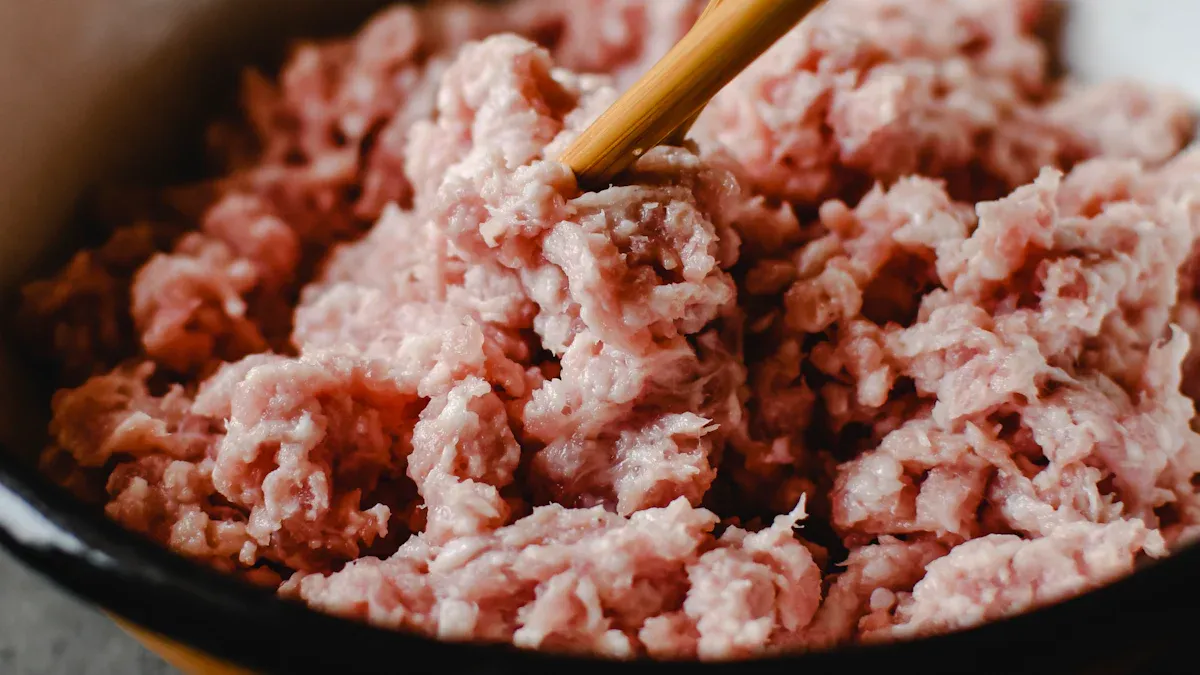
You often cook with both ground turkey and ground beef. Many people feel confused about their nutritional value. This blog aims to give you clear, factual information. It helps you make informed choices for healthier meals. We will compare turkey ground beef nutrition and discuss their specific health benefits. You will also get practical cooking tips. Understanding ground turkey nutrition is key to making better food decisions. These benefits extend to your overall well-being.
Key Takeaways
Ground turkey and ground beef offer similar nutrition when they have the same lean-to-fat ratio.
Ground turkey usually has less saturated fat than ground beef, which is better for your heart.
Ground beef has more iron and zinc, while ground turkey is great for weight loss due to its high protein and low calories.
You can make ground turkey taste better and stay moist by adding vegetables, sauces, or seasonings.
Both meats are good for muscle building and overall health, but your choice depends on your health goals.
Turkey Ground Beef Nutrition: A Head-to-Head Comparison
Calories, Protein, and Fat Content
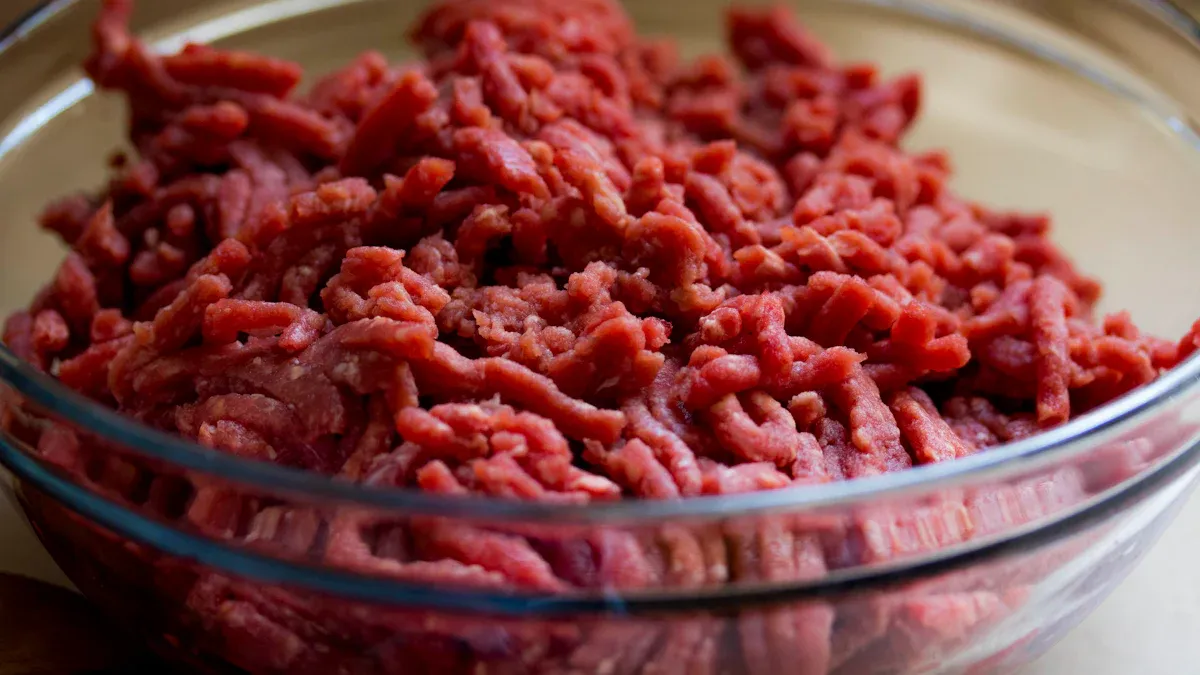
You often wonder about the nutritional differences between ground turkey and ground beef. When you choose similar lean-to-fat ratios, both meats offer comparable nutritional panels. This includes calories, sodium, and cholesterol. For example, a 4-ounce serving of 93% lean ground turkey typically provides 150-160 calories. It also gives you about 22 grams of protein and 8 grams of total fat. This makes lean ground turkey a great option for many meals. Understanding your ground turkey nutrition helps you choose wisely.
You can find 99% fat-free ground turkey. This offers an even leaner choice. For ground beef, the leanest option you usually find is 95% lean ground beef. Understanding this helps you make informed decisions about your turkey ground beef nutrition.
Saturated Fat Differences and Impact
One key difference lies in saturated fat content. Ground turkey generally contains less saturated fat than ground beef. For instance, a typical serving of ground turkey might have around 2.669 grams of saturated fat. Ground beef, on the other hand, could have about 6.073 grams. You see a significant reduction in saturated fat when you compare ground turkey to 70%, 80%, or 85% lean ground beef.
A higher intake of meat saturated fat links to an increased cardiovascular disease risk. For every +5 grams per day increase, the risk goes up by 26%. If 5% more of your energy comes from meat saturated fat, your cardiovascular disease risk increases by 48%. The fatty acid profile of meat, like 15% fat ground beef, mainly contains palmitic acid. This is a major saturated fatty acid in meats.
Saturated fat from meat can raise your heart disease risk. It does this by increasing low-density lipoprotein (LDL) cholesterol. This is often called “bad” cholesterol. Monitoring your saturated fat intake is crucial. Dietary guidelines suggest it should be less than 10% of your daily calories. For example, 80% lean ground beef has nearly 8 grams of fat per 4-ounce patty. In contrast, 95% lean ground beef has only 4 grams. This shows how much saturated fat can vary even within ground beef products. Choosing lean ground beef or lean ground turkey with lower levels of saturated fat can support your heart health. This is a vital part of understanding ground turkey nutrition.
Micronutrients and Sodium Levels
Beyond calories and fat, you should also consider micronutrients and sodium. Both meats offer valuable vitamins and minerals. However, their specific profiles differ. This is part of understanding ground beef nutrition.
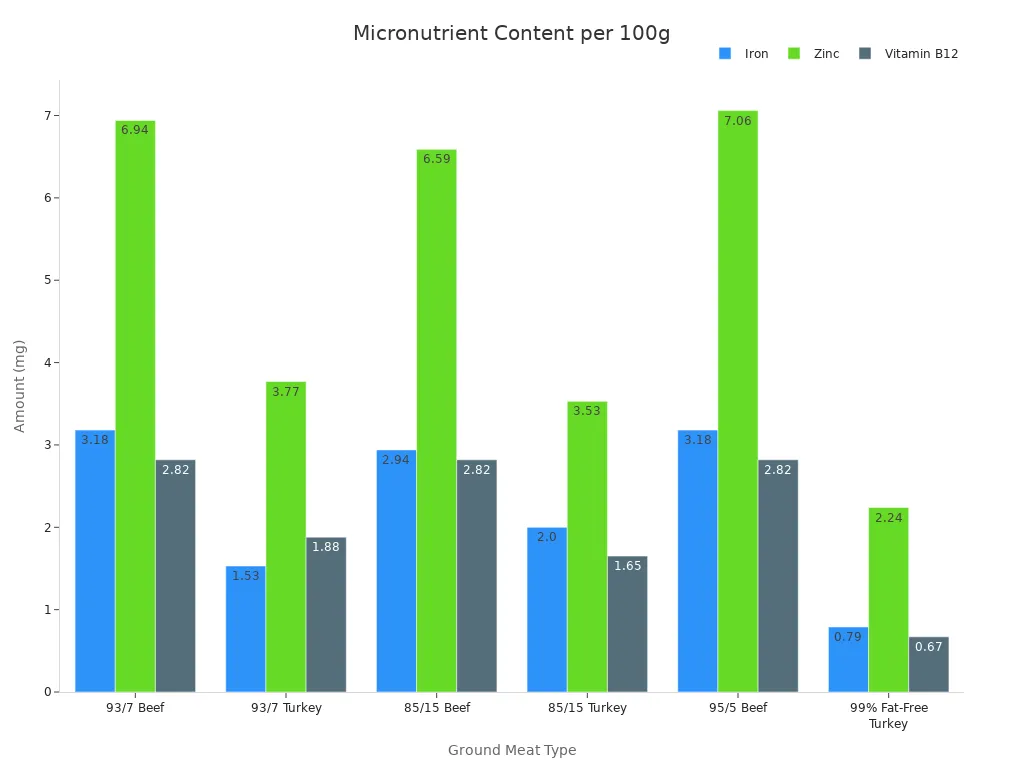
Beef generally contains higher amounts of iron, zinc, and vitamin B12 compared to turkey. These nutrients are crucial for healthy blood, immune function, and nervous system health. Conversely, turkey has higher levels of certain B vitamins. These are important for energy metabolism.
Here is a comparison of key micronutrients:
Nutrient | 93/7 Beef (per 85g) | 93/7 Turkey (per 85g) | 85/15 Beef (per 85g) | 85/15 Turkey (per 85g) | 95/5 Beef (per 85g) | 99% Fat-Free Turkey (per 85g) |
|---|---|---|---|---|---|---|
Iron | 2.7 mg | 1.3 mg | 2.5 mg | 1.7 mg | 2.7 mg | 0.67 mg |
Zinc | 5.9 mg | 3.2 mg | 5.6 mg | 3 mg | 6 mg | 1.9 mg |
Vitamin B12 | 2.4 mg | 1.6 mg | 2.4 mg | 1.4 mg | 2.4 mg | 0.57 mg |
When you look at sodium, raw ground turkey contains less than 70 mg of sodium in a 3-ounce serving. A nutrition fact table for a 114g serving of raw ground turkey shows 66mg of sodium. This means about 57.89mg of sodium per 100 grams. Raw ground turkey is not high in sodium. However, some ground turkey products may have added sodium for flavor. Always check the product packaging. This helps you understand the full nutrition profile of what you buy. Choosing lean cuts of either meat helps you manage your overall intake. This detailed look at ground turkey nutrition helps you make better choices.
Ground Turkey Nutrition vs. Ground Beef Nutrition for Health Goals
You want to know which meat is “better” for your health goals. The answer depends on your specific objectives. You can leverage the nutritional data you just learned. Your choice impacts your specific goals. Remember, “better” is subjective. It always depends on what you aim to achieve.
Weight Management and Lean Protein Intake
You might focus on weight management. Then, you should consider the protein-to-calorie ratio. This ratio helps you feel full with fewer calories. Ground turkey is an excellent source of lean protein. It helps you manage your weight effectively.
Look at this comparison of protein-to-calorie ratios:
Type | Calories (per 3 oz) | Protein (grams per 3 oz) | Protein-to-Calorie Ratio (approx.) |
|---|---|---|---|
93/7 Beef | 178 | 25 | 0.14 |
93/7 Turkey | 181 | 23 | 0.13 |
95/5 Beef | 164 | 25 | 0.15 |
99% Fat-Free Turkey | 117 | 25 | 0.21 |

For weight management, 99% fat-free ground turkey stands out. It has the fewest calories. It also provides the most protein compared to other cuts of turkey and all types of ground beef. This makes it a potentially superior choice. You can decrease overall calorie intake. You can also increase protein intake. These are common strategies for weight loss.
Ground turkey is an exceptional ally in weight loss. It has a high protein content. This high protein level increases satiety hormones. It helps regulate your appetite. You feel full for longer periods. For instance, a 4-ounce serving provides approximately 22 grams of protein. This is substantial enough to curb cravings. Choosing leaner varieties like 93% lean or 99% fat-free ground turkey allows you to consume more food volume with fewer calories. This makes dieting feel less restrictive. It still provides significant protein.
Here is how protein helps with weight loss:
Protein is the most satiating macronutrient. Turkey is nearly pure protein. It triggers the release of satiety hormones. It helps suppress ghrelin, the hunger hormone.
Including turkey in a high-protein plan can aid weight loss. Protein has a higher thermic effect than carbohydrates or fat. This means your body burns more calories during its digestion. This can subtly boost your metabolism. Turkey’s lean, high-protein profile aligns well with these findings.
Regularly consuming poultry, such as turkey, associates with weight control. A review indicates that incorporating poultry into a vegetable-rich diet links to a lower risk of overweight, obesity, and cardiovascular disease. This compares to diets heavy in red meat.
You can see the ground turkey benefits for weight loss. While some ground turkey products may have slightly less protein than ground beef, ground beef can have 2.4 grams more protein in some comparisons. However, the overall ground turkey nutrition profile, especially for very lean options, makes it a strong contender for weight management.
Heart Health and Dietary Fat Choices
Your heart health is a major concern. Dietary fat choices play a crucial role. You should pay attention to saturated fat intake. Major health organizations provide clear guidelines.
The Dietary Guidelines for Americans (DGA) recommend limiting saturated fat:
The DGA first introduced a specific cap limiting saturated fats to 10% of calories in 1990. This recommendation has been maintained in all subsequent DGAs. This includes the 9th edition released in late 2020.
The current 2020-2025 DGA suggests that less than 10 percent of daily calories from saturated fat equates to 200 calories or 20 grams in a 2,000-calorie diet.
A major public health recommendation for coronary heart disease risk is to consume less than 10 percent of calories from saturated fat.
Foods high in saturated fat, such as red meat (including hamburger), are known to raise LDL cholesterol levels. This is often called “bad” cholesterol. To mitigate this, you should replace such meats with proteins lower in saturated fat and cholesterol. Skinless chicken or turkey breast are good examples.
Lean ground turkey is a great lean protein alternative. It offers comparable protein content with significantly less saturated fat. For instance, a 4-ounce serving of 93% lean ground turkey contains approximately 2.5-3.5 grams of saturated fat. This is considerably lower than many other ground meat options. Red meat, including ground beef, is generally high in saturated fat and cholesterol. This can elevate LDL cholesterol levels. Incorporating lean ground turkey is a better choice for heart health. It helps you manage cholesterol. You can also choose lean ground beef options. These also contribute to a better choice for heart health.
Muscle Building and Overall Wellness
You want to build muscle or maintain overall wellness. Both ground turkey and ground beef are excellent choices. They are both high protein foods. They provide essential amino acids.
Red meat, including ground beef, is a complete source of dietary amino acids. It contains all essential amino acids (EAAs). It also has all non-essential amino acids (NEAAs). It is a significant source of bioavailable heme-iron. This is crucial for muscle growth and cardiovascular health.
Both ground turkey and ground beef are excellent sources of protein. Protein is an essential component of a balanced diet. Protein needs vary. Consuming adequate protein is vital. The recommended minimum is 0.8 grams per kilogram of body weight daily for adults. Higher intake is suggested for active individuals, pregnant, or nursing individuals. These meats help you meet your daily protein intake goals. This is fundamental for muscle building and overall health.
Both meats are nutritional powerhouses. They offer various benefits. Ground turkey benefits include its lower saturated fat content. This makes it a good option for heart health. Ground beef benefits include its higher iron and zinc content. This supports energy and immune function. Both provide high-quality protein.
This supports muscle repair and growth. You can incorporate either into a balanced diet. They both contribute to your overall wellness. The choice between them often comes down to your specific dietary needs and preferences. You can make informed decisions about your turkey ground beef nutrition.
Practical Uses and Cooking Tips for Better Meals
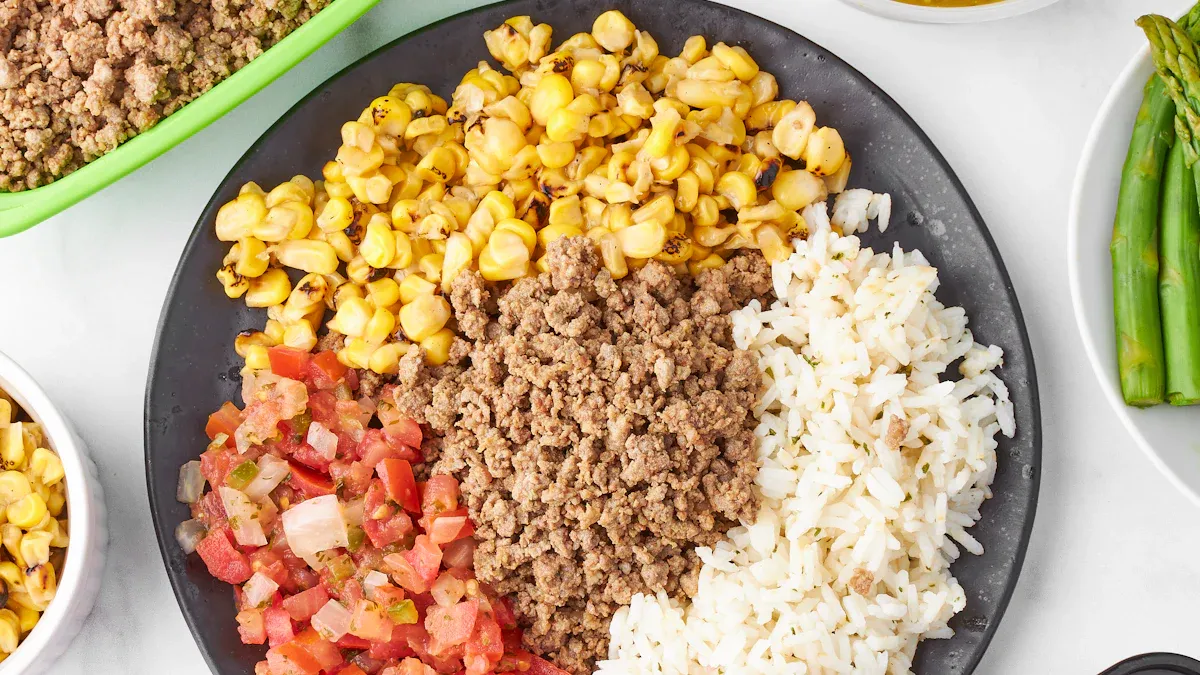
You can incorporate both ground turkey and ground beef into your meals effectively. This section gives you actionable advice. You will learn how to make better meals. These tips support healthy cooking in your kitchen.
Mastering Ground Turkey: Flavor and Moisture
Ground turkey is lean. It can sometimes dry out during cooking. You can prevent this. Grate water-heavy vegetables like onion or mushrooms. Mix them into the meat before you cook it. This releases more liquid. You can also blend in sauces such as ketchup or barbecue sauce. Mayonnaise also keeps the meat tender. Add fats like olive oil or grated butter for richness. Avoid over-handling the raw meat. Too much manipulation can lead to dryness. Cook ground turkey to an internal temperature of 165 degrees Fahrenheit. Do not overcook it.
A thickening agent is also very effective. You make it by soaking breadcrumbs in a liquid like milk. The starches absorb the liquid. They prevent moisture loss. Use about ½ cup of thickening agent for every pound of ground turkey. You can also add minced mushrooms or grated butter. These add moisture and richness.
You can enhance ground turkey’s flavor. Use seasonings like garlic powder, onion powder, and paprika. Salt and black pepper are also good. Italian seasoning, dried thyme, or oregano add depth. Cumin and chili powder work well for specific ground turkey recipes, like tacos. For a beef-like flavor, add 1 tablespoon of Kitchen Bouquet Browning & Seasoning Sauce per pound of ground turkey. You can also grind dried mushrooms into a fine powder. Use 1 tablespoon per pound for an enhanced beef flavor.
Enhancing Ground Beef Dishes
Ground beef can be high in fat. You can reduce excess fat when you cook it. After browning, drain the fat. Use a colander over a bowl. You can also push the beef to one side of the skillet. Tilt the skillet to collect the fat. Then, sop it up with paper towels. For a leaner result, rinse the beef with hot water in a colander. Do this for about thirty seconds. Then, toss it to remove excess water.
You can also boost ground beef’s nutritional value and moisture. Add oat protein. This improves moisture retention. It leads to a juicier patty. Oat flour, oat bran, soy, and textured vegetable protein also work. These ingredients can increase cooking yields. They also reduce fat intake.
Versatile Recipes for Everyday Cooking
Both ground turkey and ground beef fit into many recipes. You can make classic dishes. Think of meatballs, meatloaf, or chili. For ground turkey, try turkey burgers or turkey meatballs. You can also use it in casseroles. Ground beef is great for tacos, lasagna, or shepherd’s pie. Many recipes work well with either meat. Just adjust your seasonings. This ensures great taste. Experiment with different recipes to find your favorites.
You have learned about turkey ground beef nutrition. You saw their differences and similarities. Your choice often depends on specific lean-to-fat ratios and your health goals. Both meats fit into a healthy diet. The “better” option depends on your individual goals, preferences, and how you cook them. Understanding ground turkey nutrition helps you make smart choices. You can enjoy the benefits of lean ground turkey. Experiment with both meats. Discover your favorite ways to include them in balanced meals. Focus on lean cuts for optimal ground turkey nutrition. Lean ground turkey offers great benefits.
FAQ
Is ground turkey always healthier than ground beef?
Not always. You must compare similar lean-to-fat ratios. For example, 93% lean ground turkey and 93% lean ground beef have similar nutrition. Very lean ground turkey often has less saturated fat.
Can I substitute ground turkey for ground beef in any recipe?
Yes, you can often substitute them. You might need to add extra fat or moisture to ground turkey. This prevents dryness. Adjust seasonings to match the dish.
What is the best way to add flavor to lean ground turkey?
You can add grated vegetables like onions or mushrooms. Use sauces like barbecue or ketchup. Season with garlic powder, onion powder, and paprika. You can also use a thickening agent for moisture.
How do I choose the leanest ground meat option at the store?
Look for the lean-to-fat ratio on the package. A higher first number means leaner meat. For example, 99% fat-free ground turkey is very lean. 95% lean ground beef is also a good choice.