Medieval kings ate a wide range of food. This food showed their wealth and status. Their diet mainly included:
- Meats: Kings enjoyed fish, pork, and special game like swan and peacock.
- Breads: They often ate sourdough bread, which was a common food.
- Fruits: Tasty fruits like peaches, grapes, and apples filled their tables.
These food choices not only filled them up but also showed their high rank in society. The nobility’s access to fancy items like spices highlighted their social status.
Food Types for Medieval Kings
Meats and Game
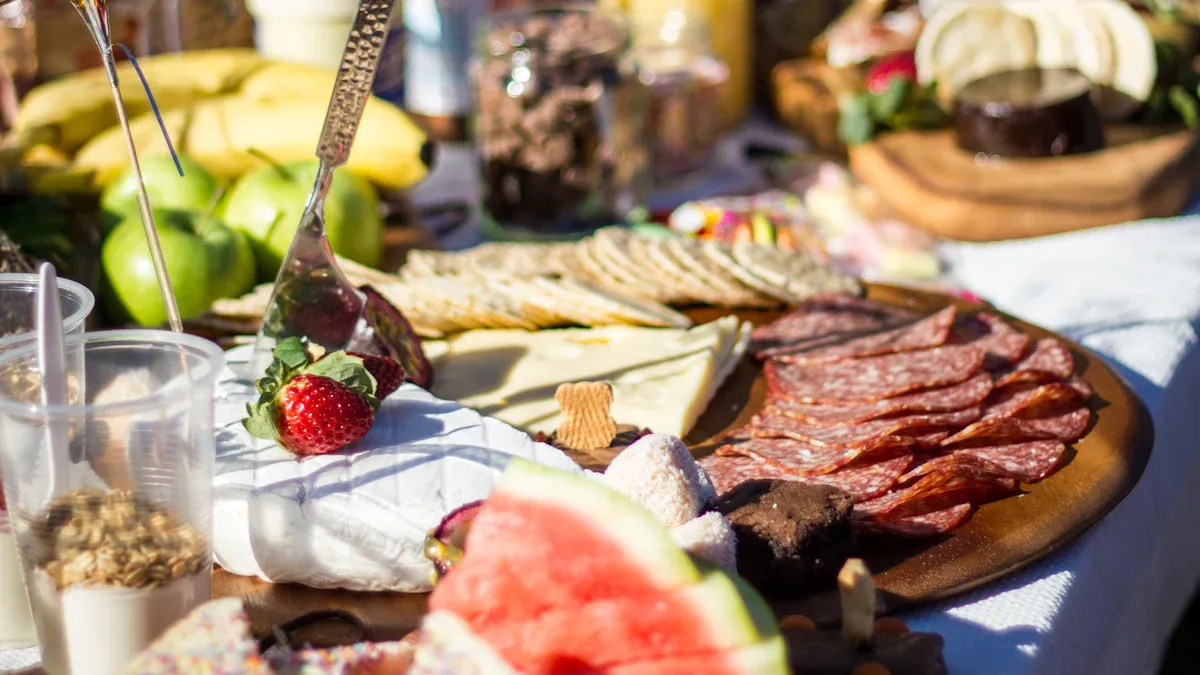
Medieval kings ate many kinds of meats and game. These foods were very important in their diets. You could see beef, pork, lamb, and even fancy birds like swans and peacocks on their tables. Eating certain meats showed their power and importance. For example, the hart was a respected animal linked to nobility and bravery. Hunting the hart showed skill in battle, which set nobles apart from regular people. The boar was also dangerous and was hunted by nobles to show their courage.
Hunting was more than just a sport; it was a planned activity that showed the nobles’ control over hunting areas. Young noblemen learned important skills through hunting that helped them in war. This link between hunting and status made it clear that eating meat was a privilege for the rich.
Breads and Cereals
Bread was a main food for medieval kings, but the kind they ate was very different from what commoners had. Nobles enjoyed fine white bread called manchet, made from sifted wheat flour. This bread was costly and hard to make. In contrast, commoners ate rougher bread called maslin, made from a mix of grains like barley and rye.
| Social Class | Type of Bread/Cereal | Description |
|---|---|---|
| Nobility | Manchet | Fine, white bread made from sifted wheat flour, costly and hard to make. |
| Commoners | Maslin | Darker, rough bread made from a mix of grains like barley and rye, often with fillers like fava beans. |
The royal household got food from various cereals, which gave important nutrients. The two-meal system, with a big dinner and a lighter supper, showed the kings’ social status. Meals often had spices like pepper and cinnamon, which made the flavors better and showed the wealth of the royal court.
Fruits and Vegetables
Fruits were very important in the diets of medieval kings. Fresh fruits like apples, pears, cherries, and plums were enjoyed when in season. Dried fruits, like raisins and dates, were also popular and made meals feel fancy. The time of year affected which fruits were eaten, with fresh fruits being special during harvest times.
| Crop Type | Seasonal Availability | Uses in Diet |
|---|---|---|
| Grapes | October | Used for making wine and verjuice |
| Apples | Varies | Eaten fresh, stewed, or baked in tarts |
| Pears | Varies | Eaten fresh or made into sauces for meats |
| Cabbage | Year-round | Common vegetable in noble diets |
| Leeks | Year-round | Common vegetable in noble diets |
Vegetables like peas, turnips, and cabbage were basic foods for nobles. The different foods eaten by medieval kings compared to commoners showed their higher status. While kings enjoyed a rich diet with luxury items, commoners mostly ate bread, porridge, and local vegetables.
Medieval Cuisine Preparation
Cooking Methods
In royal kitchens, chefs used different ways to cook meals for kings. Here are some main methods:
| Cooking Method | Description |
|---|---|
| Spit-roasting | This special method needed constant turning of the spit for even cooking, often seen in big kitchens. |
| Roasting irons | Chefs used these to cook fish over hot coals or charcoal, as shown in old recipes. |
| Various techniques | Many ways existed for cooking meats and vegetables, often written in medieval books. |
These cooking methods helped chefs make tasty dishes. Spices were very important for improving the flavor of royal food. For example, cinnamon was a key part of recipes like “cameline sauce” and hypocras. Ginger added flavor to Mediterranean meals, while saffron showed wealth and power in royal courts.
Meal Presentation
How meals looked was just as important as the food itself. The way dishes were arranged and served showed the power and importance of medieval kings. Choosing special meats during feasts was a strong sign of status. For example, fancy meats like venison and porpoise showed how exclusive the elite were.
The rituals of serving and cutting meat highlighted the social order. Guests watched how the host served the meal, which showed their power. The way these meals were organized showed the nobility’s dominance.
Feasts and Banquets of Medieval Rulers
Importance of Feasts
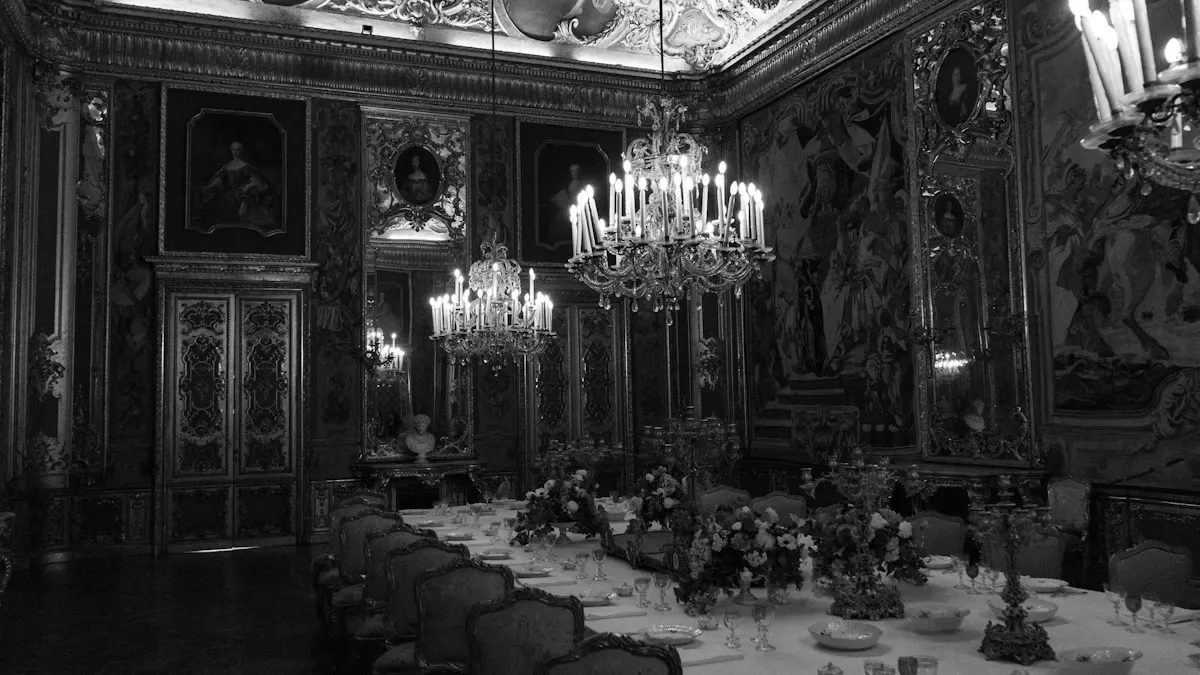
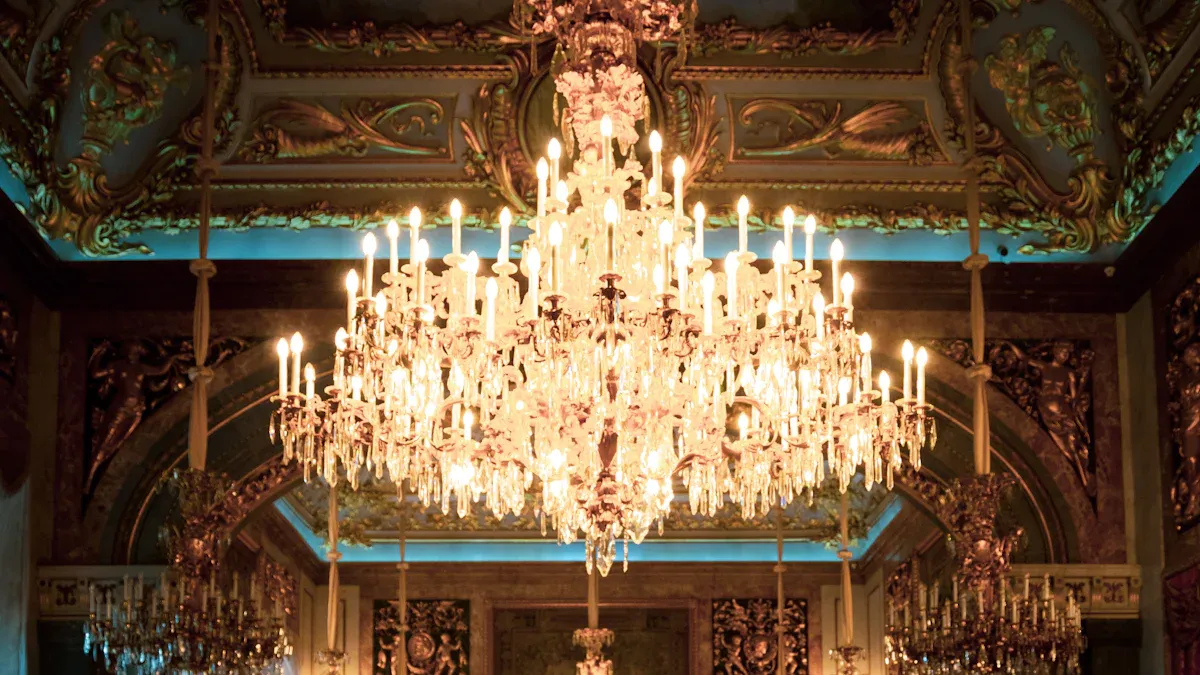
Feasts were very important for medieval kings. These big events had many purposes. They showed off the wealth and power of the rulers. This helped to strengthen their status among nobles and common people. You could see that the seating at the table showed who was more important. Higher-ranking nobles sat closer to the king. Lower-ranked guests sat farther away. This seating arrangement highlighted the social order of that time.
Feasts also played a key role in politics. They were places where rulers made alliances and built relationships. The relaxed setting allowed for talks that could lead to important agreements. These events helped nobles bond, shifting the focus from just showing power to creating social unity.
Here are some key aspects of the importance of feasts:
- Displays of Wealth: Feasts showed the king’s resources, reinforcing his power.
- Social Hierarchy: Seating arrangements highlighted the status of each guest.
- Connection to Religion: Many feasts included religious elements, emphasizing community and faith.
- Aesthetic Presentation: The look of the food was often more important than the taste.
- Community Bonding: Feasts helped build trust and friendship among nobles.
Typical Banquet Menu
A typical banquet menu for medieval kings had many fancy dishes. These menus often included lots of meat, showing the best cuts and exotic ingredients. The choice of dishes depended on what was in season and local influences. For example, during a big feast in York on December 26, 1251, the menu had an amazing 68,500 loaves of bread, 170 boars, and 25,000 gallons of wine.
Here’s a glimpse of what you might find on a medieval banquet menu:
| Example Feast | Date | Preparation Time | Notable Items Served |
|---|---|---|---|
| Grand Feast in York | 26 December 1251 | 6 months | 68,500 loaves of bread, 170 boars, 25,000 gallons of wine |
The number of courses served at these banquets changed. In France, you could expect seven or more courses. British feasts usually had about three. Each course included a mix of meats, breads, and seasonal vegetables.
Getting food for these feasts was complicated. Royal households arranged for food to come from different areas, making sure fresh ingredients arrived on time. Local sourcing was common, especially when supplies came from nearby areas for royal hunting trips.
The kitchen staff played a key role in preparing these large feasts. Each person had specific jobs, from the Chef de Cuisine running the kitchen to the Chef Pâtissier making desserts. This organization made sure every detail was perfect for the king’s banquet.
Medieval kings had diets that showed their wealth and power. They enjoyed fancy feasts and special dishes. You saw how meats, fine breads, and seasonal fruits showed their high status. The cooking styles of kings helped shape modern European food, with many courses and fancy presentations. This started the idea of formal dining we have today.
Also, food was linked to social rank. Bread was a key part of their meals, showing how society was growing. The royal dining experience not only filled them up but also supported the values and customs of their time. 🍞👑
FAQ
What kinds of meat did medieval kings like?
Medieval kings liked meats such as beef, pork, and lamb. They also ate special game like swan and peacock. These meats showed their wealth and power during feasts.
How did medieval kings cook their food?
Kings’ kitchens used different ways to cook food. They spit-roasted meat and roasted it over hot coals. Chefs added spices to make the food tasty and look nice.
What part did fruits have in a king’s diet?
Fruits were very important for medieval kings. They ate fresh fruits like apples and pears when in season. They also enjoyed dried fruits like raisins. Fruits made their meals more special and varied.
Why were feasts important for medieval kings?
Feasts had many jobs. They showed the king’s wealth and kept the social order. Feasts helped kings make political friends and show their power to nobles.
What was a usual banquet menu like?
A usual banquet had many courses with fancy dishes. The menu changed with the seasons. It often had roasted meats, fine breads, and rich desserts to show the king’s status.