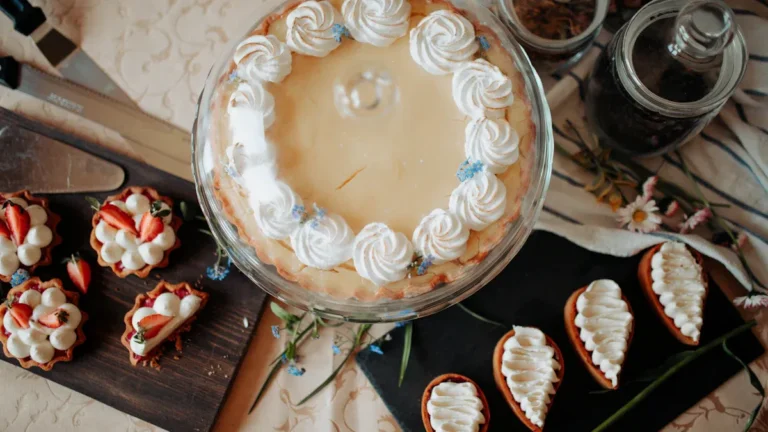
Freezing whipping cream often changes its texture, leaving it less smooth and sometimes grainy upon thawing. Many notice that the cream separates, with fat and liquid no longer blending as before. Tiny ice crystals can form, causing a slight curdling effect. These changes can feel disappointing, especially in case of hoping to whip it up like fresh cream. Still, there are ways to use and potentially improve frozen cream, sparking curiosity about how to make the most of it.
Changes in Texture After Freezing Whipping Cream
Pulling a container of whipping cream from the freezer could seem like a handy shortcut, but the process can bring about surprising changes in its texture.
Once frozen, whipping cream experiences texture separation as the fat and water parts split apart. This shift in fat distribution creates a grainy or sometimes curdled feel, quite different from the smoothness you could expect.
Once thawed, stirring or shaking can help blend things back together, but often the cream never fully regains its original creamy texture. Tiny ice crystals formed during freezing add to the changed mouthfeel, making it less rich and silky.
Despite these changes, frozen whipping cream is still useful in recipes, especially as added to cooked dishes, where perfect texture matters less.
Best Methods for Freezing Whipping Cream
Many home cooks find themselves with extra whipping cream and question whether freezing it is a good way to make it last longer. The answer is yes, with some attention to proper freezing techniques and storage containers. For best results, pour fresh cream into an airtight storage container, leaving space at the top for expansion. Alternatively, spoon dollops onto a parchment-lined baking sheet, freeze until solid, then transfer to labeled freezer bags. This method helps with easy portioning and quick use. Both approaches reduce the risk of ice crystals and help preserve the cream’s texture. To keep flavor and quality high, use frozen whipping cream within three months. The table below compares the two main freezing techniques for whipping cream.
| Freezing Technique | Best Storage Containers |
|---|---|
| Pouring into container | Airtight containers |
| Freezing in dollops | Labeled freezer bags |
| Preventing ice crystals | Leave space for expansion |
| Easy portioning | Use baking sheets |
Thawing Whipping Cream: What to Expect
After freezing whipping cream, the thawing process can sometimes feel a bit unpredictable. As frozen cream returns to liquid, it could appear separated, with the fat and liquid no longer smoothly combined.
Many notice a grainy or uneven texture, which is a normal result of the freezing and thawing process. To help restore some of the cream’s original smoothness, gently shaking or stirring the cream is recommended.
Allowing it to sit at room temperature for about 10 to 15 minutes can also help it reach a better consistency. Should the mixture still feel grainy, a small spoonful of powdered sugar can often bring it together.
These simple steps help make the thawing process less intimidating and the cream more enjoyable to use.
Ideal Uses for Previously Frozen Whipping Cream
Embracing the quirks of previously frozen whipping cream opens up a variety of practical and delicious possibilities in the kitchen.
While it might not whip up as light as fresh cream, it shines in cooking applications where texture is less critical. In soups, sauces, and casseroles, thawed cream adds rich flavor and silky body, easily blending into both savory and sweet recipes.
For those who love beverage improvements, a splash of this cream in coffee or hot cocoa brings instant creaminess, making morning routines or cozy evenings more enjoyable.
Dessert lovers can use thawed whipped cream as a topping, and it can be folded into mousses or frostings, especially at the time mixed with other ingredients.
This flexibility helps minimize waste and maximizes convenience.
Tips to Improve Texture After Thawing
Upon whipping cream has been frozen and then thawed, you might notice it looks a bit different-perhaps a little grainy or separated. This change happens because the fat in the cream separates during freezing.
To fix this, gentle re emulsification techniques can help. Try shaking the container or stirring the cream well. Should it still feel grainy, adding a small spoonful of powdered sugar does wonders. The sugar not only smooths the texture but also enhances the flavor.
Some people blend their thawed cream with a bit of fresh cream, which helps restore a softer, silkier feel. Whenever using thawed whipping cream in recipes, it’s often best in dishes like soups or sauces where texture matters less.
For best quality, use the cream soon after thawing.