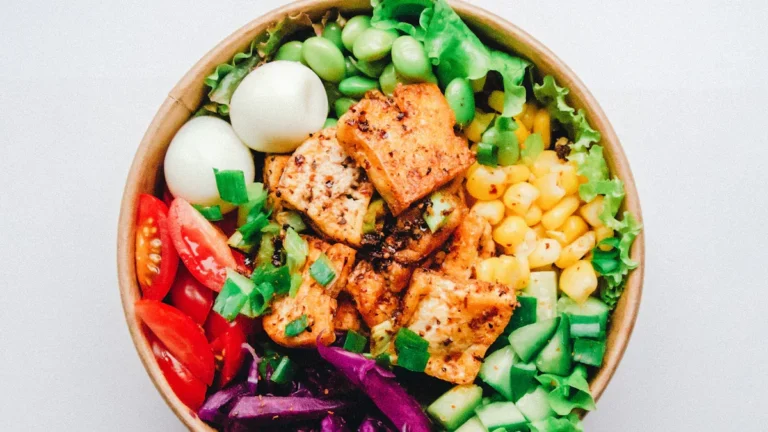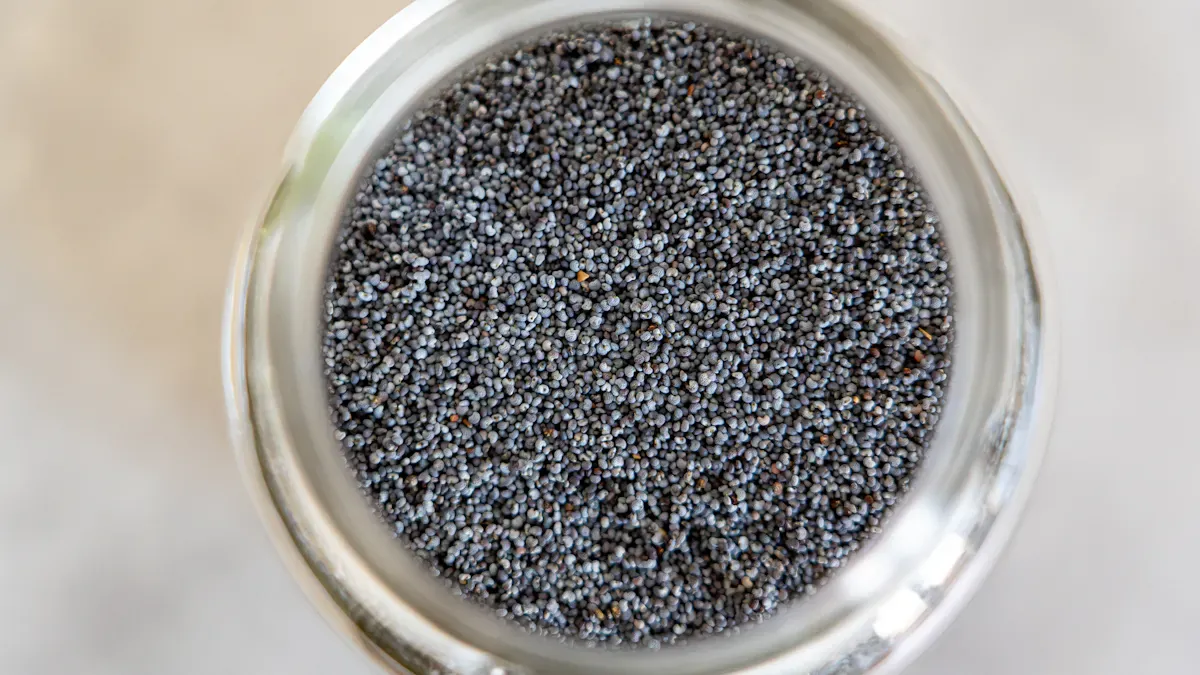
Chia seeds stand out for their impressive nutritional profile. They are rich in omega-3 fatty acids, protein, and dietary fiber, making them a superior choice over poppy seeds. While poppy seeds offer some health benefits, they lack the essential nutrients found in chia seeds. Research shows that products made with chia seed flour have significantly more protein and fiber than those made with wheat flour. This growing awareness has led to an increase in popularity for chia seeds in health-conscious diets, as many people seek to enhance their nutrition.
Nutritional Value
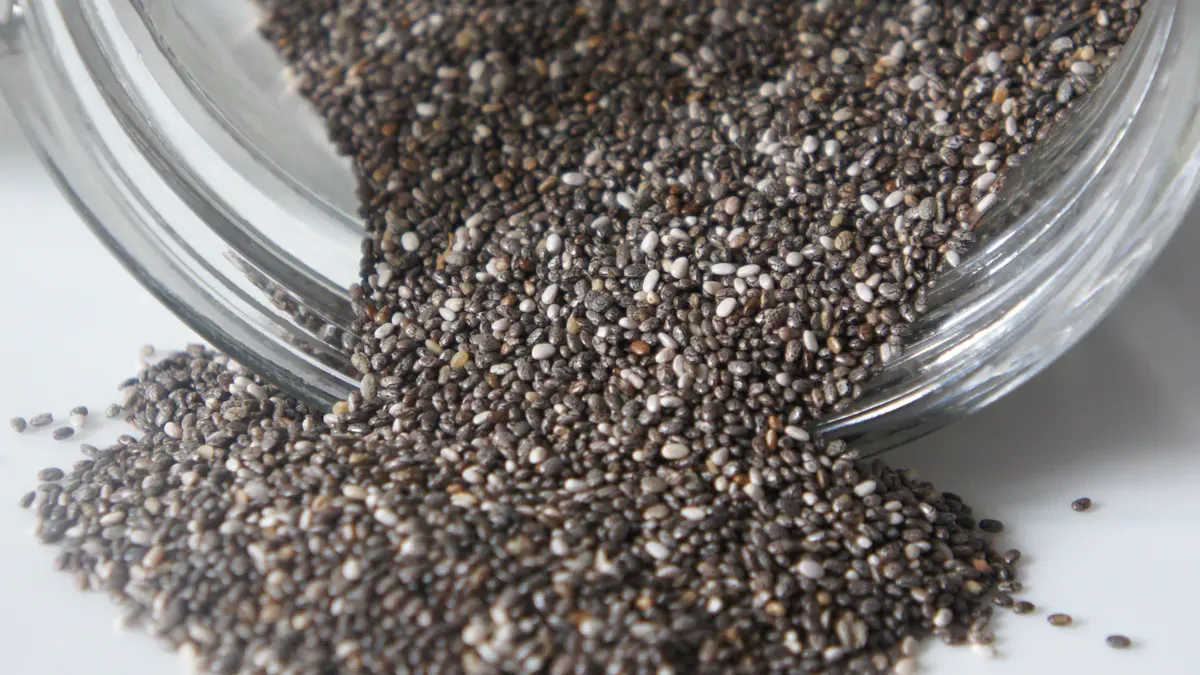
Chia Seeds Nutrients
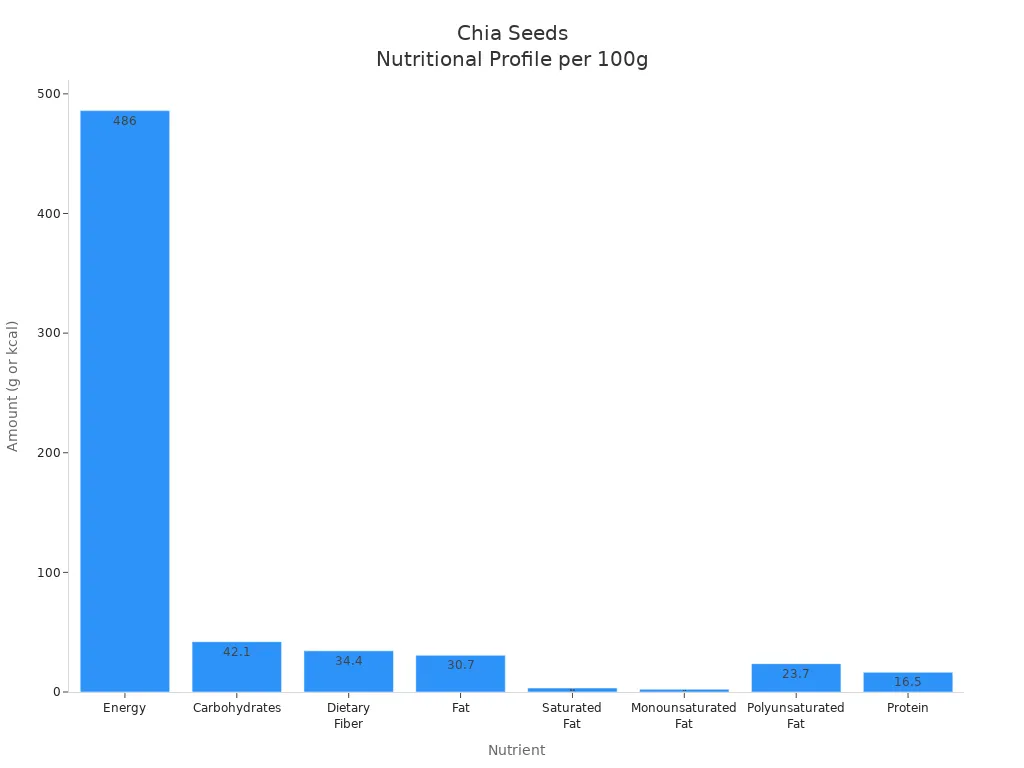
Chia seeds offer a remarkable nutritional profile that supports various health benefits. Here’s a breakdown of their key nutrients per 100 grams:
| Nutrient | Amount per 100g |
|---|---|
| Energy | 486 kcal |
| Carbohydrates | 42.1 g |
| Dietary Fiber | 34.4 g |
| Fat | 30.7 g |
| Protein | 16.5 g |
| Calcium | 18% RDA |
| Iron | 20% RDA |
| Magnesium | 27% RDA |
| Manganese | 30% RDA |
| Phosphorus | 27% RDA |
| Zinc | 20% RDA |
| Thiamin | 52% DV |
| Niacin | 55% DV |
| Riboflavin | 13% DV |
| Folate | 12% DV |
Chia seeds are particularly high in dietary fiber and omega-3 fatty acids. The fiber content aids digestion and promotes a feeling of fullness, which can help with weight management. Omega-3 fatty acids, specifically alpha-linolenic acid (ALA), contribute to heart health by lowering cholesterol levels and regulating blood pressure.
Poppy Seeds Nutrients
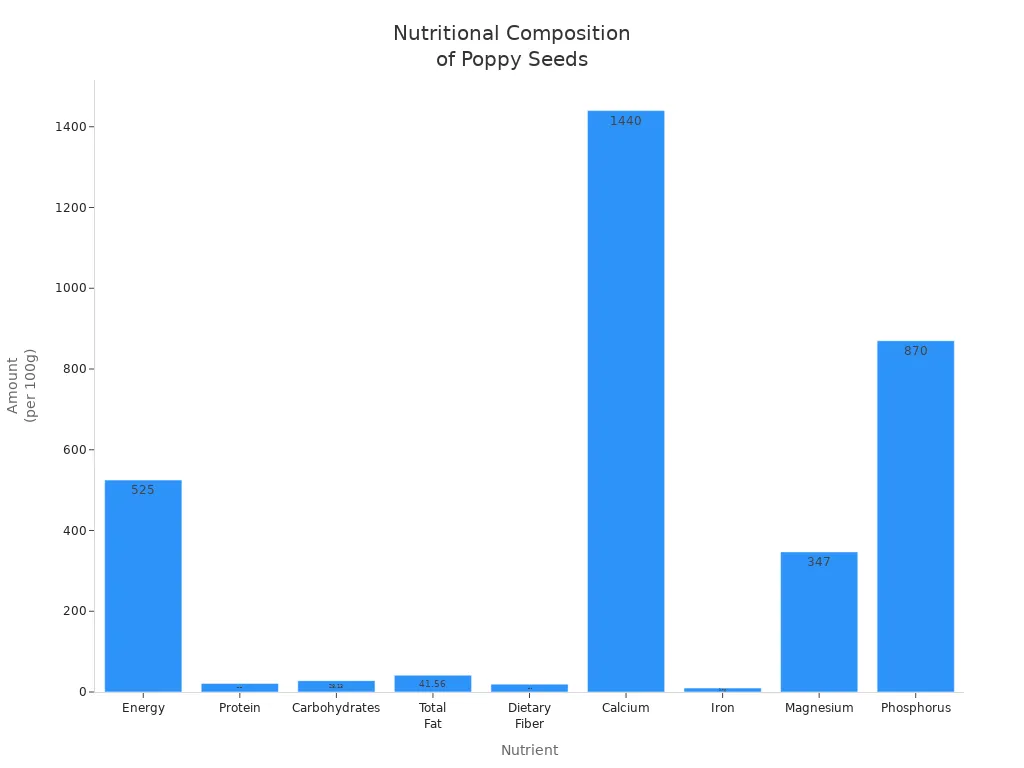
Poppy seeds also provide valuable nutrients, though they differ significantly from chia seeds. Here’s a summary of their nutritional content per 100 grams:
| Nutrient | Amount per 100g |
|---|---|
| Energy | 422.6 kcal |
| Protein | 20.31 g |
| Carbohydrates | 12.37 g |
| Total Fat | 30.38 g |
| Dietary Fiber | 26.68 g |
| Calcium | 1372 mg |
| Iron | 9.76 mg |
| Magnesium | 347 mg |
| Phosphorus | 804 mg |
While poppy seeds are rich in calcium and provide a good amount of protein, they lack the high fiber and omega-3 fatty acid content found in chia seeds. This difference makes chia seeds a more beneficial choice for those looking to enhance their overall nutrition.
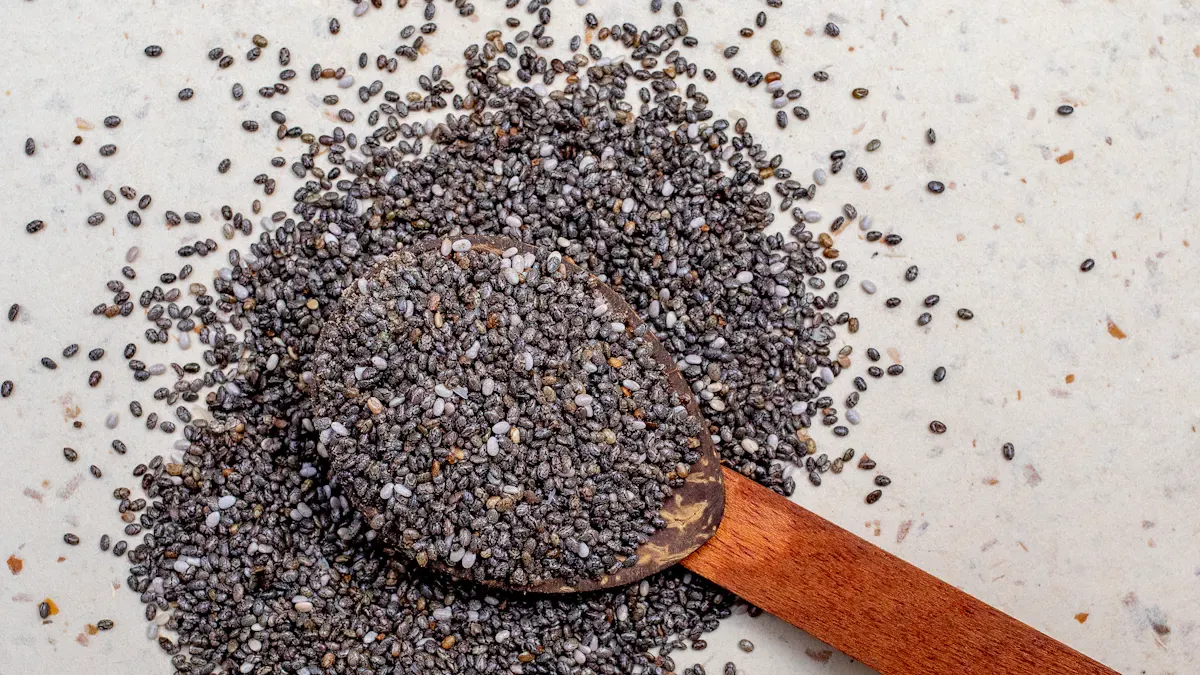
Chia Seeds Health Benefits
Heart Health
Chia seeds play a significant role in promoting heart health. Their high content of omega-3 fatty acids, particularly alpha-linolenic acid (ALA), contributes to cardiovascular benefits. Research shows that these fatty acids can lower cholesterol levels, regulate heart rhythms, and decrease inflammation. A large study involving over 63,000 individuals found that high omega-3 intake reduced the risk of cardiovascular mortality by 17%. Additionally, chia seeds contain quercetin, an antioxidant that may further reduce the risk of heart disease.
You may also notice improvements in blood pressure. Studies indicate that chia seeds can significantly lower blood pressure in hypertensive patients. Regular consumption can lead to a reduction in waist circumference and systolic blood pressure. This is crucial for maintaining a healthy heart and reducing the risk of heart-related issues.
Weight Management
If you’re looking to manage your weight, chia seeds can be a valuable addition to your diet. Their high fiber content promotes a feeling of fullness, which can help curb your appetite. Two tablespoons of chia seeds provide about 10 grams of fiber, roughly 40% of the recommended daily intake. This fiber absorbs water and expands in your stomach, increasing satiety and potentially reducing overall calorie intake.
A systematic review indicates that consuming around 30 grams of chia seeds daily for six months may lead to weight loss and a decrease in waist circumference among overweight individuals. Some studies support these findings, showing significant reductions in body weight, especially among obese participants. This makes chia seeds an effective tool for those aiming to achieve or maintain a healthy weight.
Digestive Health
Chia seeds also support digestive health due to their high soluble fiber content. This type of fiber can improve digestion and nutrient absorption. When chia seeds absorb water, they form a gel-like substance that aids in digestion and promotes regular bowel movements. Research indicates that chia mucilage can modulate gut microbiota, which is essential for maintaining a healthy digestive system.
Moreover, chia seeds can reduce the bioaccessibility of lipids, cholesterol, and glucose in the gastrointestinal tract. This leads to cholesterol-lowering and blood sugar-lowering effects. In fact, studies show that chia mucilage intake can reduce glucose absorption by 50% and cholesterol bioaccessibility by over 37%. These benefits make chia seeds a smart choice for enhancing your digestive health.
While chia seeds offer numerous health benefits, it’s essential to consume them properly. They can pose a choking hazard if eaten dry, as they expand significantly when they absorb water. Always soak them before consumption to avoid any risks.
Culinary Uses of Chia Seeds
Easy Meal Incorporation
You can easily add chia seeds to your meals in various ways. Here are some popular methods:
- Smoothies: Add a tablespoon of chia seeds or chia gel to your smoothies for extra nutrients.
- Salad Dressings: Mix chia seeds with olive oil and vinegar to thicken your dressings.
- Pudding: Soak chia seeds in milk to create a delicious pudding for breakfast or dessert.
- Baked Goods: Incorporate chia seeds into muffins or bread for added moisture and nutrition.
- Granola and Energy Bars: Use chia seeds in homemade granola or energy bars for a fiber boost.
Chia seeds require moisture for optimal absorption. They can absorb up to 10 times their weight in liquid, forming a gel-like texture that enhances nutrient uptake. This makes them perfect for recipes like chia pudding or smoothies, where they can blend seamlessly.
Versatility in Recipes
Chia seeds are incredibly versatile. You can use them in both sweet and savory dishes. Here are some innovative ideas:
- Chia Fresca: Mix chia seeds with water, lemon juice, and a sweetener for a refreshing drink.
- Chia Seed Jam: Combine chia seeds with mashed fruit for a healthy spread.
- Egg Substitute: Mix 1 tablespoon of chia seeds with 3 tablespoons of water to replace eggs in baking.
In contrast, poppy seeds have a more limited range of uses. They often appear in baked goods like muffins and bagels, adding a subtle nutty flavor. While they enhance the taste of pastries and savory dishes, they do not offer the same versatility as chia seeds.
With their unique texture and ability to absorb flavors, chia seeds can elevate your meals. Whether you sprinkle them on yogurt or blend them into smoothies, they provide a nutritious boost to your diet.
Chia seeds offer numerous advantages that make them a better choice than poppy seeds. They are a rich plant source of omega-3 fatty acids, second only to flaxseed. A single tablespoon contains 6 grams of fiber, which supports digestive health. Chia seeds also provide protein, calcium, and trace minerals. You can easily add them to your meals without grinding or hulling.
Their ability to absorb up to 12 times their weight in water makes them versatile for various recipes. Additionally, studies show that chia seeds may help control blood sugar levels and improve cardiovascular health. With these benefits, consider incorporating chia seeds into your diet for a nutritious boost.
FAQ
What are chia seeds?
Chia seeds are tiny, nutrient-dense seeds from the Salvia hispanica plant. They are rich in omega-3 fatty acids, fiber, and protein. You can easily incorporate them into your diet for added health benefits.
How do you consume chia seeds?
You can consume chia seeds in various ways. Add them to smoothies, yogurt, or oatmeal. You can also make chia pudding by soaking them in milk or a milk alternative.
Are there any side effects of chia seeds?
Chia seeds are generally safe for most people. However, consuming them dry can pose a choking hazard. Always soak them in water or another liquid before eating.
How do chia seeds compare to poppy seeds in terms of nutrition?
Chia seeds offer higher fiber and omega-3 fatty acid content than poppy seeds. While poppy seeds provide calcium and protein, chia seeds deliver a broader range of nutrients beneficial for overall health.
Can chia seeds help with weight loss?
Yes, chia seeds can aid weight loss. Their high fiber content promotes fullness, helping you eat less. Studies suggest that regular consumption may lead to weight loss and reduced waist circumference.