Edible oils vary widely, from olive oil for finishing salads to plant-based alternatives containing fatty acids, flavor, and supplement-style nutrients. I compare the available picks for home cooks, wellness-focused shoppers, and people seeking convenient pantry staples. The list also reveals where serving size, flavor, ingredient sourcing, and product format matter more than an impressive label.
A Practical Look at Edible Oils and Oils for Health
Your Options, Compared

Zongle Therapeutics Pure Peppermint Oil 1 OZ

Corn Huskers Fast Absorbing Hand Lotion 7 oz

Colavita First Cold Pressed Olive Oil 68 Fl Oz

Colavita Mediterranean Extra Virgin Olive Oil 34 Fl Oz

Barlean’s Strawberry Banana Flaxseed Oil 16 oz

Natganics Organic Hemp Oil 3500mg
Natganics Organic Hemp Oil 1000mg

Natganics Organic Hemp Oil 2500mg
Meet The Standout Selections
Among the supplements and cooking fats in this list, Zongle Therapeutics serves a narrower role: concentrated peppermint oil rather than a pantry oil. Its one-ounce format suits people who already understand how essential oils differ from food-grade fats and want a small bottle for carefully measured flavoring or personal-care routines.
The product is described as food grade, edible, and made with peppermint essential oil. In a busy kitchen, that concentrated format demands restraint because a small quantity can dominate a recipe or drink. The listing also states that the product is bottled in the United States and carries several ingredient and lifestyle attributes, though these claims still call for careful label review.
Good Reasons To Consider
- The single-oil format avoids blending several botanicals together.
- The one-ounce bottle suits compact storage and controlled use.
- Food-grade positioning makes it more relevant to culinary flavoring than ordinary aromatherapy oils.
- The listing describes GC-MS and microbial testing.
Points To Keep In Mind
- This is peppermint essential oil, not a neutral cooking oil with a familiar food texture.
- Concentration makes accurate measuring important; owners commonly need to follow the label directions closely.
- The 1-ounce bottle may offer less value for frequent culinary use than a larger pantry oil.
Made For
This format fits experienced users seeking concentrated peppermint flavor or a personal-care oil rather than a replacement for olive or flaxseed oil.
Where Another Pick Suits Better
Colavita First Cold Pressed Olive Oil 68 Fl Oz is the better fit for cooks who want a versatile kitchen oil with a familiar liquid texture.
Corn Huskers belongs in this list as a supporting care item rather than an edible oil. Repeated handwashing, gardening, kitchen work, and frequent tool use can leave hands feeling dry and rough, making a fast-absorbing lotion more practical than adding another oil to the pantry.
The seven-ounce bottle targets people who dislike the residue left by heavier creams. A barrier lotion is designed to reduce moisture loss by forming a protective layer over skin, while fast absorption matters when hands must return to a keyboard, steering wheel, or toolbox. The honest read is simple: this solves a hand-care problem, not a cooking-oil need.
Practical Advantages
- Fast absorption supports frequent use without waiting before touching tools or a phone.
- The non-greasy description suits people who dislike oily residue.
- Seven ounces is large enough for a countertop, utility sink, or workshop.
- The lotion format is easier to spread over rough hand areas than a food oil.
Small Caveats
- It is not edible and should remain separate from cooking oils and pantry ingredients.
- Repeated handwashing can still outlast the lotion’s protective effect, so reapplication may be necessary.
Built With In Mind
This lotion suits frequent dishwashers, gardeners, mechanics, and other people whose hands are repeatedly exposed to water, weather, or rough materials.
A Better Fit Elsewhere
Barlean’s Strawberry Banana Flaxseed Oil 16 oz is more relevant for people comparing edible plant oils and flavor profiles rather than hand moisturization.
First cold pressing means the olives are mechanically separated from their pits without heat from the pressing stage. For a high-volume household kitchen, that process definition and the 68-ounce size make Colavita a practical choice for daily sautéing, roasting, dressing, and dipping.
The source describes an Italian blend with a smooth, balanced profile, making it more approachable than oils marketed mainly around pepperiness or strong fruit. Compared with the smaller Colavita Mediterranean Extra Virgin Olive Oil 34 Fl Oz, this bottle wins on volume, though the two products serve overlapping kitchen purposes.
The Case For It
- The large bottle reduces refill frequency for households that cook most days.
- A balanced flavor works across dressings, vegetables, pasta, and roasting.
- Extra virgin olive oil provides a recognizable pantry-oil format for everyday cooking.
- The first cold-pressed process gives shoppers a clear production method to assess.
Trade-Offs To Consider
- Extra virgin olive oil costs more per ounce than unflavored or commodity oils.
- A 68-ounce container needs cool, dark storage and has less flexibility than smaller bottles.
- The bottle is much larger than the one-ounce peppermint option and offers less trial flexibility.
Right Fit
The bottle best fits busy households that value high-volume cooking, familiar flavor, and fewer pantry refills.
Another Choice May Suit
Colavita Mediterranean Extra Virgin Olive Oil 34 Fl Oz offers a better fit for households wanting a smaller container and a fuller flavor profile.
Where Colavita First Cold Pressed Olive Oil 68 Fl Oz emphasizes volume, the Mediterranean blend puts sourcing and flavor at the center. Olives from Italy, Greece, Spain, Tunisia, Turkey, and Morocco create a broader origin profile, which may appeal to cooks comparing regional flavor characteristics.
The listed profile is full-bodied, velvety, and gently fruit-forward, with light bitterness and an almond finish. Those notes should suit salad dressings and dipping particularly well, while the 34-ounce bottle remains manageable for a household with limited pantry space. Depending on the recipe, a stronger flavor can either add depth or become noticeable.
Real Benefits
- Six listed olive-growing countries provide a distinctive blend story.
- The full-bodied profile suits dressings where a stronger oil flavor is welcome.
- The 34-ounce size offers a middle ground between trial bottles and two-liter jugs.
- The oil is described as suitable for sautéing, roasting, baking, dipping, and dressings.
Worth Noting
- Full-bodied flavor may overpower delicate dressings or lightly cooked dishes.
- The blended origins make it less direct for someone seeking a single-region Italian profile.
- Pour spouts and airtight storage help manage handling and oxidation after repeated opening.
Who Will Love This
This oil suits home cooks who prioritize a substantial Mediterranean flavor and use dressings, dips, and roasted vegetables regularly.
Reach For A Different Pick When
Colavita First Cold Pressed Olive Oil 68 Fl Oz is the better choice for high-volume households that prefer a simpler, more restrained flavor profile.
Barlean’s changes the texture and use case established by the two olive oils. This is a flavored flaxseed oil intended as a supplement-style product, with 2,968 mg of ALA omega-3 fatty acids listed per serving and fruit flavors that make repeated use more approachable.
ALA is a plant-based omega-3 fatty acid, meaning its nutritional role differs from the broader culinary role of extra virgin olive oil. The strawberry-banana profile may be especially useful for people who dislike the earthy flavor associated with unflaxseed flax oils. Serving plans still matter, and the label remains the authority for use and storage.
Positive Takeaways
- The 2,968 mg ALA figure gives shoppers a concrete nutrient amount to compare.
- Fruit flavoring makes the oil more approachable for regular supplement routines.
- The 16-ounce bottle offers a substantial supply for daily use.
- Flaxseed oil provides a plant-based alternative to fish-derived omega-3 products.
Less-Strong Areas
- Fruit flavoring is unsuitable for recipes that call for a neutral oil.
- A large bottle may lose freshness faster than smaller packaging, making cool, dark storage important.
- The product is a flavored supplement format rather than a general-purpose cooking fat.
The Right Fit
This product fits people seeking a plant-based omega-3 source in a flavored, spoonable format rather than a savory kitchen oil.
Swap It Out When
Natganics Organic Hemp Oil 2500mg is a better fit for routines built around mint-flavored hemp oil and a different fatty-acid source.
Among Natganics’ three listed hemp oils, the 3,500 mg version has the highest number printed in the product name. That makes it the option to examine for routines that compare listed concentrations, although the number alone cannot establish composition or predict results.
The source describes organically grown hemp, hemp seed oil, a mint flavor, and a CO2 cold process. It also states that each batch is third-party checked, but the provided material does not specify what was checked or which laboratory performed it. For experienced hemp users, label verification and careful serving measurement are essential parts of ownership.
Standout Benefits
- The 3,500 mg designation provides the highest listed amount among these hemp options.
- Mint flavor offers a clearer sensory profile than an unflaxseed flax oil.
- The oil derives from hemp seed material rather than matching the olive products’ culinary role.
- A CO2 cold process is identified as the extraction method.
Details To Watch
- The listing does not provide enough detail to compare total hemp compounds with other formats.
- Owners commonly need to follow the bottle’s serving directions and storage instructions precisely.
- A larger listed concentration is not automatically the better choice for every routine.
Who It Suits Best
This version suits experienced hemp-oil users who have reviewed the label and specifically prefer a mint-flavored 3,500 mg format.
A Sibling Pick Shines
Natganics Organic Hemp Oil 1000mg is the better fit for people wanting a lower-volume option before committing to a larger concentration.
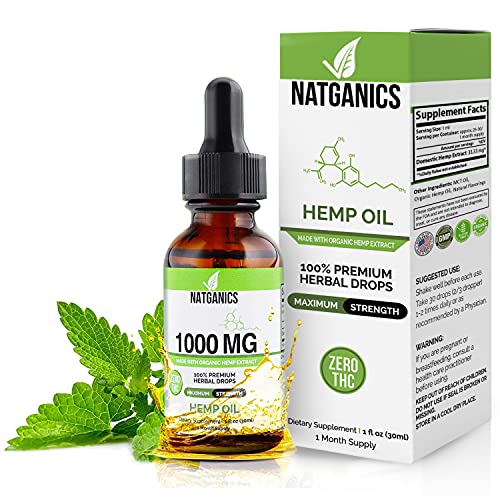
The 1,000 mg Natganics format makes more sense than the 3,500 mg version for people comparing lower-volume or introductory choices. It preserves the mint flavor and hemp seed oil positioning while presenting the smallest concentration in this three-product comparison.
Available size choices include a one-ounce package and a 1,000 mg, 30-milliliter package, so shoppers should distinguish the package selected from the concentration stated in the listing. That attention matters because package volume and oil concentration are separate details. The product is intended as a supplement format, not a salad dressing or cooking medium.
The Helpful Details
- The lower listed concentration gives beginners a less concentrated option to evaluate.
- Mint flavor makes the source easy to distinguish from fruity flaxseed oil.
- A 30-milliliter package is more compact than a larger serving bottle.
- The formula is positioned around hemp seed oil and omega fatty acids.
Possible Compromises
- The smallest concentration may not suit users who specifically prefer higher listed amounts.
- The available package choices require careful attention to avoid confusing volume with strength.
- Hemp oil storage depends on following the bottle’s temperature and light guidance.
Made For
This option fits first-time hemp-oil shoppers who want a compact package and a clearly stated 1,000 mg concentration.
Not Your Match When
Natganics Organic Hemp Oil 3500mg is the better fit for experienced users who prioritize the highest listed concentration in this group.
The 2,500 mg hemp oil occupies the middle ground between Natganics Organic Hemp Oil 1000mg and the 3,500 mg version. That positioning can simplify comparisons for shoppers who want more than the smaller amount but see no reason to move directly to the highest concentration.
The source identifies organic hemp seed oil, a mint flavor, and a role in essential fatty acid supplementation. The product is also listed for skin and beauty routines, although a shared label use does not make it a universal food oil. My practical concern is clear label review, particularly because the same source data also shows 1-ounce and 30-milliliter package choices.
Well-Handled Touches
- The 2,500 mg amount creates a middle option within the Natganics range.
- Mint flavor gives the oil a distinct profile compared with olive and strawberry-banana choices.
- The hemp seed oil base provides plant-derived fatty acids for routine comparison.
- Multiple listed package options can suit different storage and serving preferences.
Factors To Consider
- The package size and listed concentration need separate confirmation on the product page.
- The mint profile is unsuitable for cooks seeking a neutral culinary oil.
- People sensitive to hemp flavor or aroma may prefer an unflavored pantry oil.
Best Suited To
This middle-range format fits people who want more than the 1,000 mg option but prefer a lower stated amount than 3,500 mg.
Look Elsewhere When
Colavita First Cold Pressed Olive Oil 68 Fl Oz is the better selection for cooking, dressings, and other high-volume kitchen tasks.
Choosing Oils by Format, Flavor, and Routine
The first distinction is purpose. Olive oil works as a culinary fat, flavored flaxseed oil serves a supplement routine, and hemp oils belong in their own label-directed category. Peppermint oil is concentrated aromatherapy material even though the listing describes it as food grade. I would never substitute one of those formats simply because all eight appear on the same list.
Flavor also guides a practical decision. A restrained olive profile works across many recipes, while Colavita Mediterranean Extra Virgin Olive Oil 34 Fl Oz is better suited to dressings, dips, and roasted foods where its fuller taste has room. A fruity flax oil and mint hemp oil serve very different sensory preferences, so neutral-cooking potential should not drive their selection.
Packaging and storage deserve equal attention. Large olive-oil bottles reduce refills, but smaller containers may be easier to store and use promptly. Oils vary in sensitivity to light, heat, and air, so the label directions matter more than assumptions based on color or package shape.
Supplement labels also require closer reading. The 2,968 mg ALA figure for Barlean’s and the 1,000, 2,500, and 3,500 mg hemp designations describe different products, but none should be compared without checking serving size, package volume, ingredient details, and intended use.
Read The Product Category
Edible, food grade, and supplement are not interchangeable labels. The peppermint product is a concentrated essential oil, the lotion is for external use, and the remaining choices belong to food or supplement formats. Recognizing those categories prevents accidental misuse and makes comparisons more honest.
Compare Quantity By Use
A household cooking several meals each day may favor the 68-ounce olive-oil bottle, while a compact pantry may prefer the 34-ounce option. For flavored oils and hemp concentrates, compare the labeled amount per serving rather than comparing container size alone.
Treat Storage as Part of Ownership
Repeated heat, light, and air exposure can reduce oil quality, although the exact storage period depends on the product. Keep bottles tightly closed and follow the stated directions, especially for flavored flaxseed and hemp products that are more vulnerable to poor handling.
Match Flavor to the Dish
Mild olive oil blends into a wider range of recipes, while the Mediterranean blend brings more presence. Mint and strawberry-banana flavors belong in their intended formats, not in a savory dressing where they would dominate rather than support the food.
Shopping Decisions for Edible Oils and Oils for Health
Mistakes Worth Dodging
I would avoid choosing by the largest number printed on the front, because a concentration does not explain serving size or full composition. I would also avoid treating a lotion or concentrated peppermint essential oil as a general edible oil. Finally, I would not buy a large container before checking pantry space, serving plans, and storage instructions.
What Separates Premium From Basic
Higher-tier oils may add value through specific sourcing, extraction details, flavor balance, nutrient amounts, or a more informative label. That extra spending is most useful for people with a clear routine or a demanding recipe, while a basic neutral oil can be more rational for occasional use. The label must justify the difference.
Frequently Asked Questions
What Is the Best Choice for Everyday Cooking?
A versatile extra virgin olive oil suits most everyday dishes, dressings, and dipping. A larger bottle is especially practical for households cooking daily, while a smaller container may fit limited storage better.
Which Option Has the Most ALA?
Barlean’s Strawberry Banana Flaxseed Oil 16 oz lists 2,968 mg of ALA per serving. Serving size and label directions still need to be checked before use.
Are the Hemp Oils Interchangeable?
The Natganics choices differ in listed concentration and available package size. I would compare the complete labels, serving directions, and ingredients rather than assuming a larger number is automatically preferable.
Can Peppermint Oil Be Used in Food?
The listing describes this product as food grade and edible, but it is a concentrated peppermint essential oil rather than a normal cooking oil. I would use only the listed amount and follow the packaging directions closely.
Where Should These Oils Be Stored?
Storage needs depend on the individual oil and its label. I would keep every bottle closed, away from unnecessary heat and direct light, and follow the stated directions for the product.
Wrap Up
I find the strongest kitchen fit in Colavita First Cold Pressed Olive Oil 68 Fl Oz for high-volume cooking, while Colavita Mediterranean Extra Virgin Olive Oil 34 Fl Oz better suits flavor-forward dressings and dips. Barlean’s suits a flavored plant-based omega-3 routine, and the Natganics options support a narrower hemp-oil comparison. Zongle Therapeutics and Corn Huskers complete the list with specialized products rather than general culinary fats, so the label remains the deciding factor.