

Cycling nutrition gets harder to ignore once a ride extends beyond an hour. I compare portable carbohydrate options by format, ingredient profile, serving size, ease of use, and fit for training, commuting, racing, and long-distance adventures. The list includes gels, chews, liquid fuel, and a powdered drink mix, because the easiest option is often the one I can tolerate consistently.
The Main Contenders
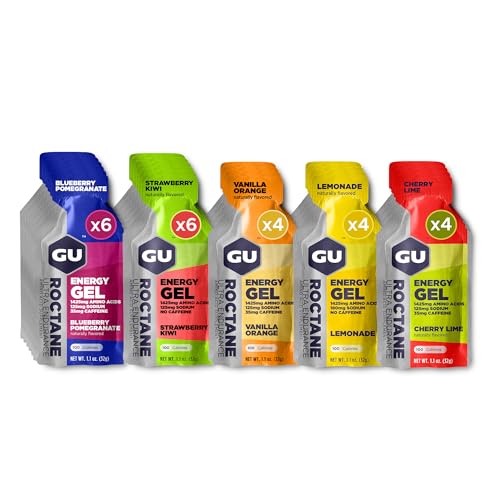
GU Energy Roctane Ultra Endurance Energy Gel 24-Count

CLIF Shot Bloks Energy Chews Strawberry 18-Count

CELSIUS On-The-Go Powder Sticks Dragonfruit Lime 2.8 Oz

GU Energy Original Energy Gels Fruity Flavors 24-Count

GU Energy Liquid Energy Lemonade 12-Count

SPRING Canaberry Whole Food Energy Gel 10-Count

HIGH5 Orange Energy Gel Fruit Juice 6 x 40g
Taking A Closer Look At The Options
Roctane is built around substantial efforts, including long rides, race stages, and training blocks that demand more planning than a quick after-work spin. Dual-source carbohydrates combine glucose-based and fructose-based sugars, while the higher sodium profile makes more sense during hot, extended riding than a standard gel.
That density also creates a clear trade-off compared with GU Energy Original Energy Gels. In my view, experienced endurance riders gain the most, while newer cyclists may find this heavier approach unnecessary.
The Value In It
- Provides 19 to 21 grams of carbohydrates per serving for substantial fuel.
- The higher sodium level suits long, hot, or sweat-heavy rides.
- Assorted flavors reduce fatigue from eating the same option repeatedly.
- The 24-count format supports a full season of regular use.
Practical Considerations
- The denser formula may feel excessive during short recovery rides.
- Individual packets need careful packing because liquid can transfer during rough transport.
Technical Highlights
Built With In Mind
Competitive riders, long-distance cyclists, and warm-weather commuters benefit most from the concentrated fuel profile.
Another Choice May Suit
GU Energy Original Energy Gels suit routine training riders seeking a lighter, more conventional gel format.
Shot Bloks solve one of cycling nutrition’s most basic problems: some riders simply dislike swallowing gel. These fruit-flavored chews provide carbohydrates and electrolytes through a format I can eat gradually, which may sit better during long road rides or multi-hour gravel events.
They are not gels in the strict sense, but texture often matters more than labeling. Compared with GU Energy Roctane Ultra Endurance Energy Gel, the serving approach feels less concentrated and may be easier to spread throughout a ride.
What Makes Sense
- Chewable format removes the need to swallow gel.
- Strawberry flavor makes repetitive fueling more varied.
- Carbohydrates and electrolytes support prolonged activity.
- The Fastpak format fits neatly into jersey pockets.
Small Caveats
- This 18-count box may run out sooner than a large gel multipack.
- Chewing requires water and offers less portion control than a sealed gel.
- Not every flavor carries added caffeine, so label checks matter before a caffeine-focused ride.
Made For
Riders who dislike gel texture benefit most from this straightforward chew format.
A Better Fit Elsewhere
SPRING Canaberry Whole Food Energy Gel suits cyclists who prefer a spoonable whole-food formulation over chews.
This powder stick belongs in the wider ride-fueling conversation rather than among conventional gels. Mixing it with water creates a drinkable option that weighs less than prepared liquid fuel, making it useful for travel, camping, and rides with reliable refill points.
Its 200 milligrams of caffeine per packet serve a different role from the carbohydrate-centered options here. Compared with GU Energy Liquid Energy Lemonade, the tradeoff is preparation, water, and a stimulant-heavy profile rather than ride fuel.
The Helpful Details
- The single-serving stick travels well and mixes simply with water.
- Each packet provides 200 milligrams of caffeine.
- Seven essential vitamins complement the drink formulation.
- The powder format reduces carrying weight compared with bottled drinks.
Less Ideal Details
- It requires water and a mixing bottle.
- The 2.8-ounce packet can be bulky in a minimalist jersey pocket.
- Caffeine may be undesirable before sleep, strenuous training, or evening rides.
Right Fit For
Traveling cyclists and warm-weather riders benefit most from a lightweight mixed drink.
Reach For A Different Pick
GU Energy Original Energy Gels suit riders who need direct carbohydrate fuel without water or mixing equipment.
After the heavier Roctane formula, Original Energy Gels return to a more familiar all-purpose profile. Dual-source carbohydrates provide 21 to 23 grams per serving, while electrolytes and amino acids make the packets easy to incorporate into regular endurance nutrition.
That balance works for early-morning training, commuting hills, and long rides where one gel per interval can be planned in advance. The honest catch is portability: mixed fruit flavors appeal to some palates, but liquid packets need careful handling in a packed jersey.
What Earns Its Place
- Provides 21 to 23 grams of carbohydrates per serving.
- Dual-source carbohydrates suit sustained activity.
- Electrolytes and amino acids broaden the nutrition profile.
- Twenty-four packets support regular training schedules.
- Assorted fruity options make routine use less monotonous.
Details To Watch
- Some riders may prefer a lighter liquid packet on shorter rides.
- Crushed packets can leak during rough storage or transport.
The Right Fit
Recreational riders and daily commuters benefit most from this balanced, widely applicable gel.
Look Elsewhere When
GU Energy Roctane Ultra Endurance Energy Gel fits racing cyclists and heavy sweaters who need denser sodium and carbohydrate support.
Liquid Energy offers a gentler alternative to spoonable gel for riders sensitive to thick textures. Each packet supplies 100 calories and electrolytes in a light liquid form, which can be easier to consume during long summer rides or training blocks with repeated servings.
Its maltodextrin and fructose blend draws from the same dual-source concept as GU Energy Original Energy Gels. The difference is texture and pacing, not a complete change in nutrition strategy.
Bright Spots
- Liquid format avoids the heavier texture of a gel.
- Supplies 100 calories per packet for steady fuel.
- Essential electrolytes support hydration-focused nutrition.
- Lemonade offers a familiar, relatively light flavor.
Possible Compromises
- Twelve packets provide less coverage than 24-count gel boxes.
- The lighter format may require multiple packets during demanding efforts.
- Liquid packets can leak after the outer packaging is opened.
Core Details
Who Should Grab It
Riders sensitive to gel texture benefit most from this lighter liquid alternative.
Where A Sibling Pick Shines
GU Energy Original Energy Gels suit cyclists wanting a thicker gel with more substantial texture and larger individual packs.
SPRING takes a different route from the heavily engineered profiles elsewhere in the list. Canaberry combines real-food ingredients with 100 calories per packet and excludes rice syrup and maltodextrin, which may appeal to cyclists who prefer a less conventional ingredient list.
That philosophy works best for moderate routines, recreational endurance days, and riders sensitive to common processed carbohydrate sources. Compared with CLIF Shot Bloks Energy Chews, the food-based gel texture may be richer, so personal tolerance still matters.
The Practical Payoff
- Uses real-food ingredients instead of maltodextrin or rice syrup.
- Each packet provides 100 calories.
- Vegan formula supports plant-based nutrition patterns.
- Strawberry smoothie flavor offers a fruity alternative to citrus gels.
Trade-Offs To Consider
- The food-based texture may not suit riders accustomed to conventional gel.
- No preservatives are included, so storage conditions and package integrity matter.
- A 10-count assortment may be less convenient for high-frequency training.
Whose Shelf It Belongs On
Ingredient-conscious recreational riders benefit most from a whole-food gel built around recognizable ingredients.
Swap It Out When
GU Energy Roctane Ultra Endurance Energy Gel fits riders who prioritize dense carbohydrate and sodium delivery during long races.
HIGH5 offers a compact fruit-juice gel with 23 grams of carbohydrates and 91 calories per 40-gram sachet. That measured serving is easy to plan for intervals, long climbs, and rides where I want quick fuel without carrying a box of large packets.
The orange flavor follows a familiar sports-fueling profile, although Global Store availability and labeling may differ from other listings. Compared with GU Energy Original Energy Gels, the six-count format favors lightweight packing over long-term value.
What Works In Its Favor
- Provides 23 grams of carbohydrates per sachet.
- Each serving contains 91 calories.
- The 40-gram packets suit riders with limited packing space.
- Orange flavor offers a simple profile for routine use.
Things That May Matter
- Only six sachets are included in the pack.
- International terms and labeling may differ from domestic products.
- Liquid gel packaging needs protection from crushing during transport.
Best Suited To
Minimalist cyclists, racers, and commuters benefit most from a compact measured gel sachet.
Another Choice May Suit
GU Energy Original Energy Gels suit routine riders who prefer larger 24-count assortments for repeated training use.
Choosing Fuel That Fits the Ride
Start with the format
A gel is thick, spoonable carbohydrate fuel, while a chew requires chewing and a drink mix needs water. I start with tolerance rather than calories, since a theoretically sound option is not useful during a ride when the stomach objects to it. Gel packets pack flat, chews offer gradual intake, and liquid packets may be easier to drink but occupy more space.
Compare carbohydrate amounts
Carbohydrate is the primary fuel used during many endurance activities, and packets in this list range from 19 to 23 grams. Higher numbers can suit longer or faster efforts, while smaller servings may be easier to tolerate during steady training. The relevant question is not which packet has the most, but how much I can comfortably take at one time.
Consider sodium and heat
Sodium helps replace part of what sweat loses, especially during long summer rides. Roctane’s higher sodium profile is more relevant to a hot, multi-hour event than a short winter commute. Personal sweat rates differ, so the label offers a starting point rather than a precise personal target.
Check the ingredient priorities
Dual-source carbohydrate systems use glucose-based and fructose-based sugars, while SPRING avoids maltodextrin and rice syrup. That distinction matters for palates, digestion, and ingredient preferences. Texture remains equally important, since whole-food, citrus, chocolate, and liquid formats each feel different.
Keeping the Fuel Plan Realistic
Mistakes Worth Dodging
A common mistake is treating a new packet as a reason to ignore the rest of the ride plan. I prefer to test tolerance during an easier ride, then adjust timing and quantity before race day. Unopened packets also deserve a cool, dry storage spot, especially during summer travel.
What Separates Premium From Basic
Higher-priced products may concentrate more carbohydrate, raise sodium, or use a more specialized ingredient profile. Roctane’s denser approach earns its place for demanding efforts, while GU Energy Original Energy Gels make more sense for routine fueling. The extra spending matters only when the formula matches the ride and my stomach tolerates it.
Frequently Asked Questions
Are energy gels better than chews for cycling?
Gels provide a measured serving without chewing, while chews can feel easier to consume gradually. I prefer chews for texture and gels for compact, planned intervals. Personal digestion usually decides the fit.
How much carbohydrate should a cyclist use in one gel?
Several options in this list provide roughly 19 to 23 grams per serving or packet. The right amount depends on ride duration, intensity, and tolerance. I would practice with one serving before relying on more.
Do energy gels need water?
Water helps with hydration, and drink mixes require enough to dissolve the powder. Gels and chews do not require mixing, though water can make consumption easier. I carry water on most longer rides.
Is liquid energy better than gel?
Liquid energy can be easier to tolerate for riders who dislike thick gel texture. It may require more packets to reach the same fuel level. I view it as a comfort choice rather than a universal upgrade.
Can cyclists use energy gels during training?
Yes, training lets me practice opening, consuming, and timing fuel before an event. This also reveals whether a flavor or texture becomes tiring over time. I would avoid making a new packet the only fuel available on race day.
Final Verdict
Roctane suits demanding endurance rides, GU Energy Original Energy Gels handle routine training, and Shot Bloks offer a better path for riders who dislike gel. I would choose SPRING for whole-food priorities, liquid energy for texture sensitivity, HIGH5 for compact packing, and CELSIUS for a mixed drink rather than a conventional gel. The strongest plan is the one I can tolerate consistently.